EU lawmakers agree to drop import duties on U.S. goods
EU lawmakers cleared the way for lower duties on U.S. industrial goods, seafood and farm exports, locking in a July trade deal and easing tariff fears before a June vote.
European lawmakers and governments on May 20 moved to remove remaining EU import duties on U.S. goods, a step that would turn last summer’s transatlantic tariff bargain into law and lower friction for American industrial suppliers, seafood exporters and non-sensitive farm goods.
The provisional agreement covers two regulations. One would eliminate the last customs duties on U.S. industrial goods and open preferential market access for certain American seafood and agricultural products, including tariff-rate quotas and reduced tariffs. The second would extend the duty suspension for lobster, including processed lobster, giving U.S. exporters another foothold in the European market.
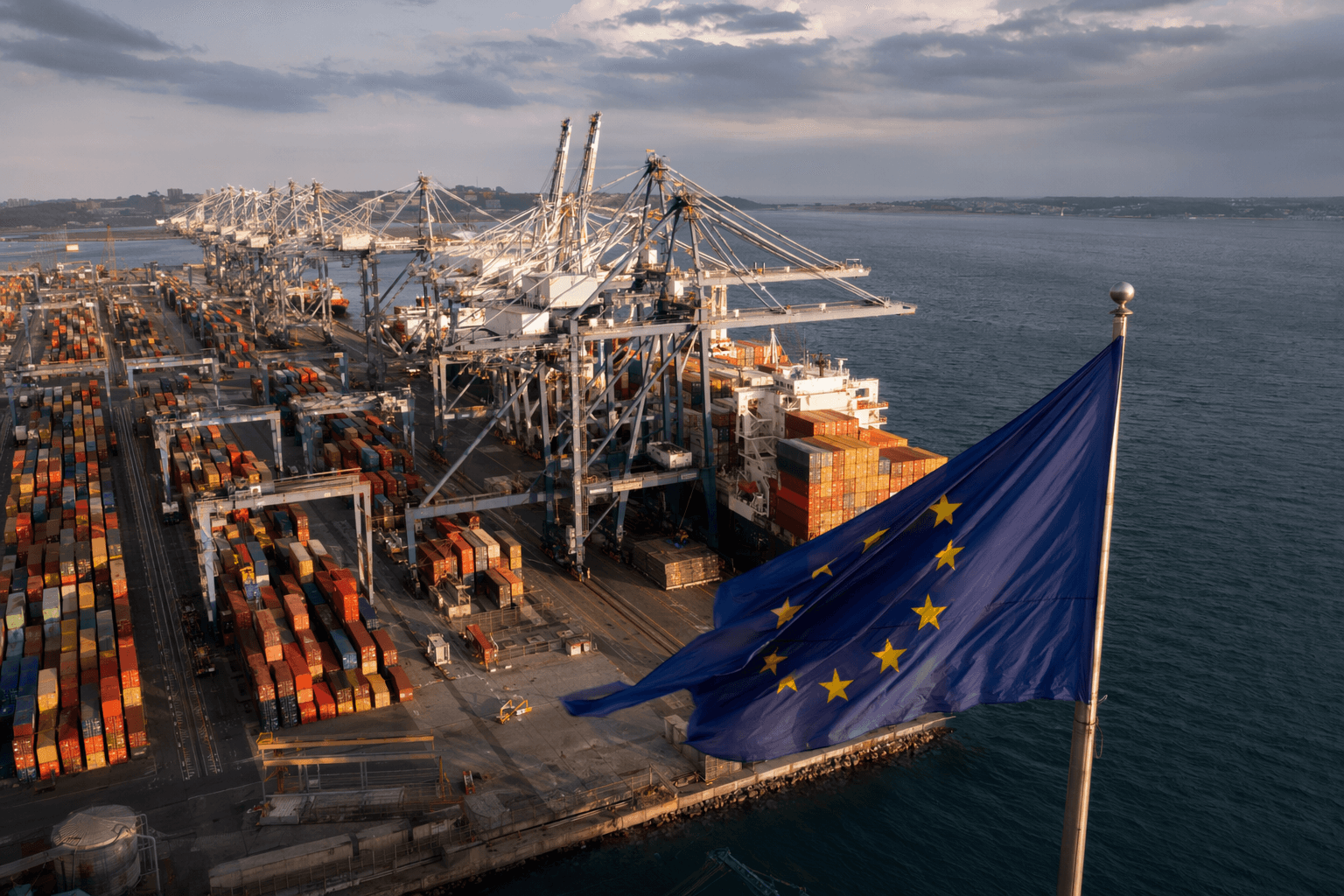
For American industries, the clearest gains are in sectors that depend on faster, cheaper access to Europe. U.S. industrial exporters would face fewer barriers, while seafood sellers and farm producers would benefit from the new market access terms. The lobster provision is especially significant because it keeps a duty break alive for a product that has long been sensitive in transatlantic trade.
The deal also shows how much of the current arrangement was already sketched out last year. On July 27, 2025, Ursula von der Leyen and Donald J. Trump announced the political framework at Trump’s Turnberry resort in Scotland, and a joint statement followed on August 21, 2025. That framework set a 15 percent tariff ceiling on most EU exports to the United States, including cars, pharmaceuticals, semiconductors and lumber, while preserving some lower-tariff exemptions for aircraft, cork and generic pharmaceuticals.
In that sense, the May 20 move looks less like a fresh reset in trade policy than the formalization of terms both sides had already accepted. Still, it matters. The Council said the package preserves flexibility to protect EU economic interests if needed, a sign that lawmakers still want leverage if Washington changes course. The European Parliament had pushed for stronger protections, including sunrise, suspension and sunset clauses, but governments were more cautious about measures that could irritate the Trump administration.
Željana Zovko, the Croatian MEP who serves as vice-chair of the European People’s Party group and sits on the Parliament’s International Trade Committee, said Europe had avoided a damaging escalation and protected “companies, investments and jobs” on both sides of the Atlantic.
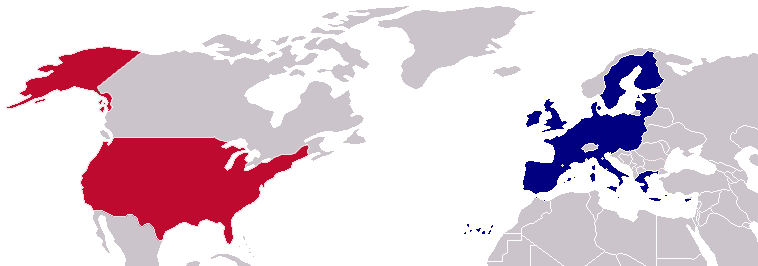
The final legislative vote is expected in mid-June, after lawmakers already made earlier procedural progress in late November. For now, the agreement reduces the risk of a new tariff fight that could spill into autos, steel and aluminum supply chains, while reinforcing the Commission’s push for what it calls a stable and predictable transatlantic trade relationship.
Know something we missed? Have a correction or additional information?
Submit a Tip