Stocks slip again as bond yields rise, inflation worries grow
Bond yields hit fresh highs as the S&P 500 fell for a third straight session, with oil swings and inflation fears rattling stocks, mortgages and retirement accounts.

Rising Treasury yields and another jolt of oil volatility put Wall Street back on the defensive Tuesday, erasing more of the market’s record-setting rally and sending a clear signal to households that borrowing may get pricier. The S&P 500 fell 0.67% to 7,353.61, its third straight loss after a fresh high, while the Dow Jones Industrial Average dropped 322.24 points, or 0.65%, to 49,363.88 and the Nasdaq Composite lost 0.84% to 25,870.71.
The pressure came from the bond market, where the 30-year Treasury yield briefly topped 5.19%, its highest level in nearly 19 years, and the 10-year Treasury note yield reached 4.687%, its highest since January 2025. Higher yields ripple through the economy fast: they can lift mortgage rates, make car loans and business borrowing more expensive, and reduce the appeal of expensive growth stocks that rely on future earnings. Investors were also reacting to renewed inflation fears tied to higher oil prices and the uncertainty surrounding the Iran war and the Strait of Hormuz, a chokepoint for global crude shipments.
Will McGough, chief investment officer at Prime Capital Financial, said, “The bond vigilantes are at play right now.” That bond-market warning mattered well beyond trading desks. When yields rise, retirement portfolios that lean heavily on stocks can lose value, and households trying to refinance debt or buy homes can face less favorable rates just as fuel costs and other everyday expenses become harder to predict.
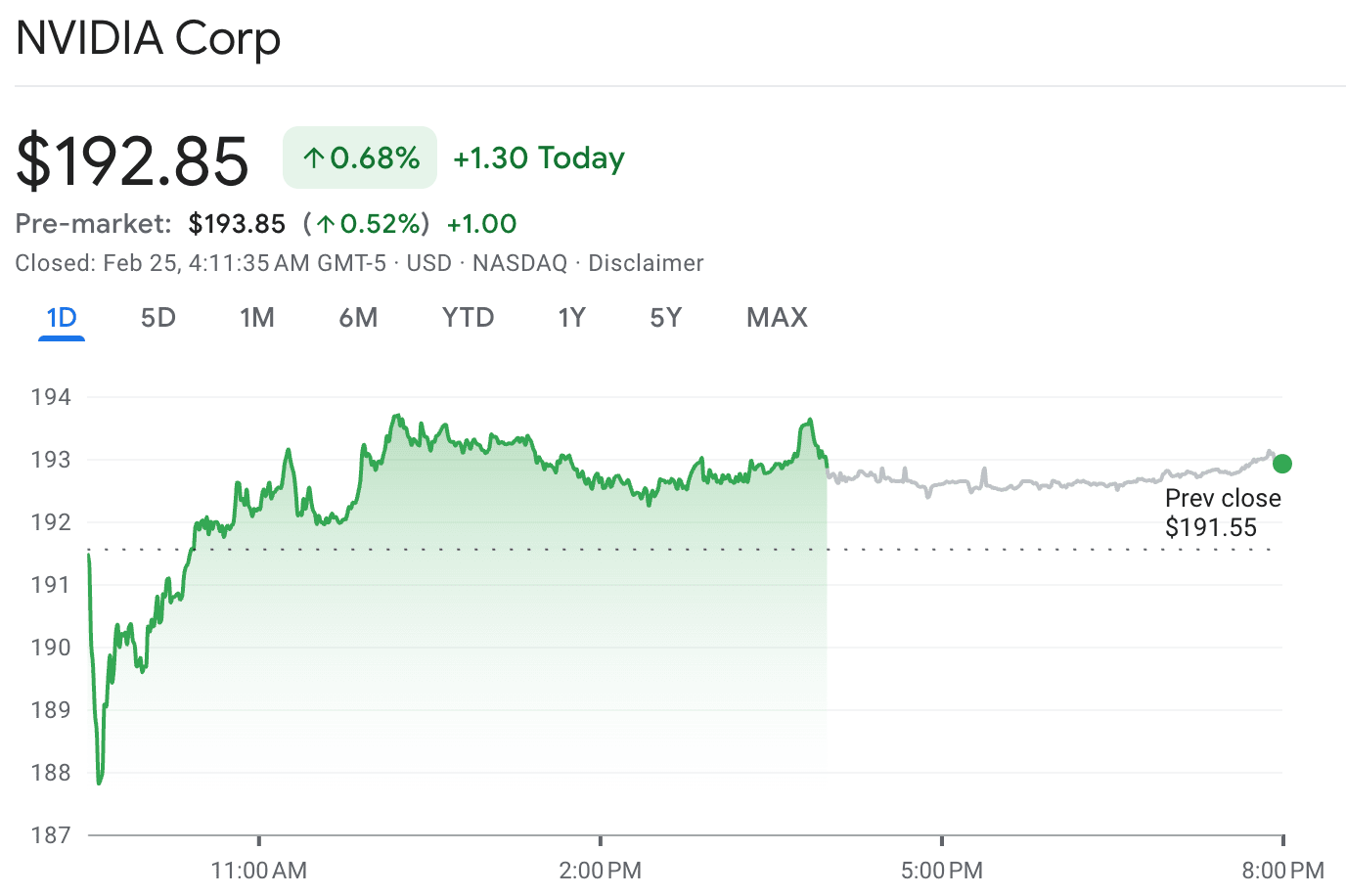
Technology shares bore much of the burden. Nvidia was a key drag ahead of its first-quarter fiscal 2027 results, scheduled for Wednesday, and its huge market value meant even a modest drop weighed on the broader index. Akamai Technologies also fell after saying it would raise $2.6 billion through two tranches of 0% convertible senior notes, due 2030 and 2032, with proceeds aimed at cloud infrastructure spending and other corporate purposes.
Not every consumer-facing name was weak. Home Depot rose after reporting first-quarter fiscal 2026 sales of $41.8 billion, up 4.8% from a year earlier, and reaffirming its fiscal 2026 guidance. Still, chief executive Ted Decker warned that customers remained cautious about large projects, a reminder that higher rates can cool spending even when sales are holding up.

The pullback was not limited to the United States. South Korea’s Kospi fell 3.3% on technology weakness, while Germany’s DAX gained 0.4%. Barclays strategists said investors had enjoyed “the fastest rebound in decades,” but warned the pendulum could swing back as flows normalize, underscoring how fragile the rally has become when inflation, geopolitics and rates all move in the same direction.
Know something we missed? Have a correction or additional information?
Submit a Tip