EU lawmakers keep three-hour flight delay compensation threshold
EU passengers kept the right to compensation after three-hour delays, after lawmakers rejected airline efforts to raise the bar to four or six hours.
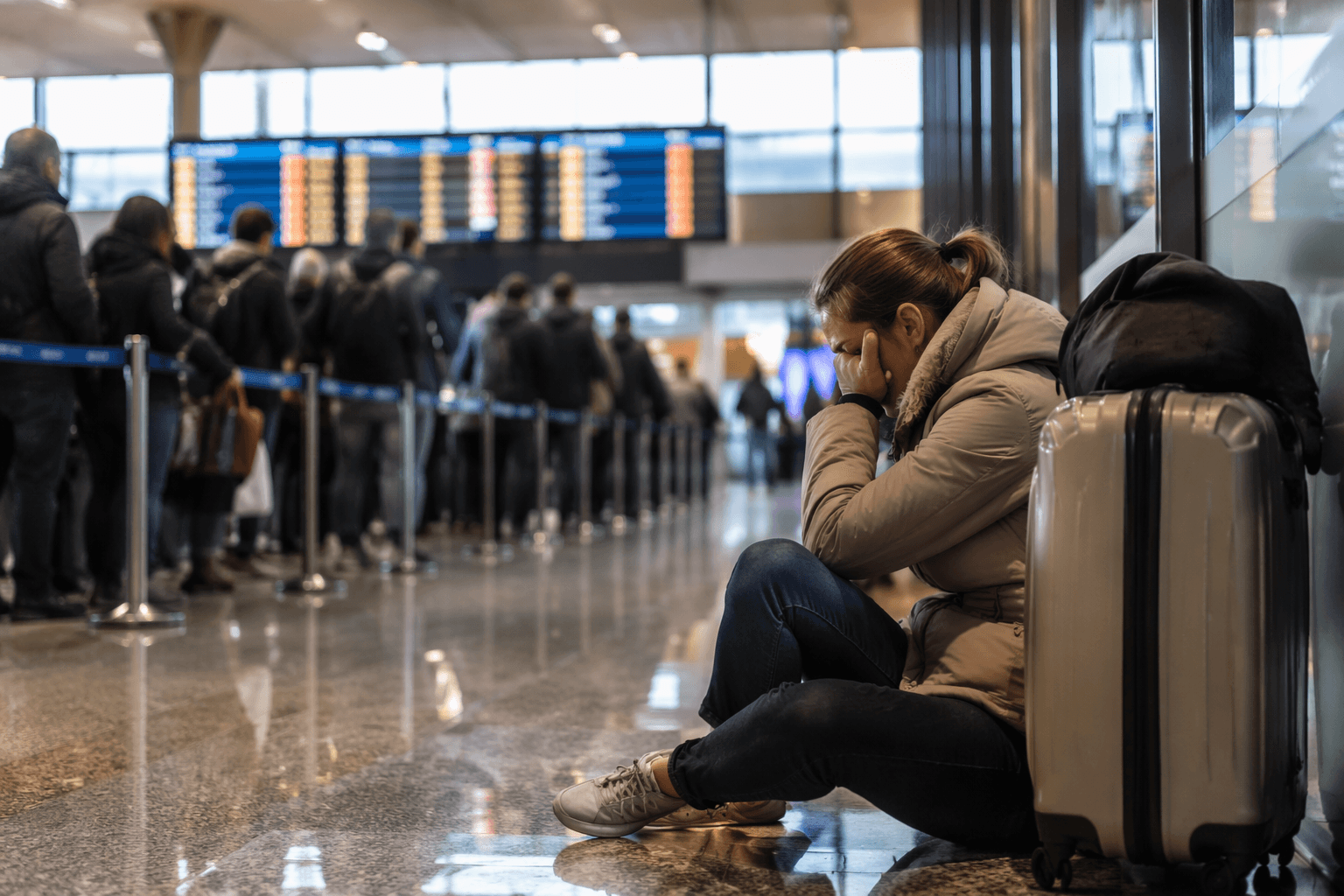
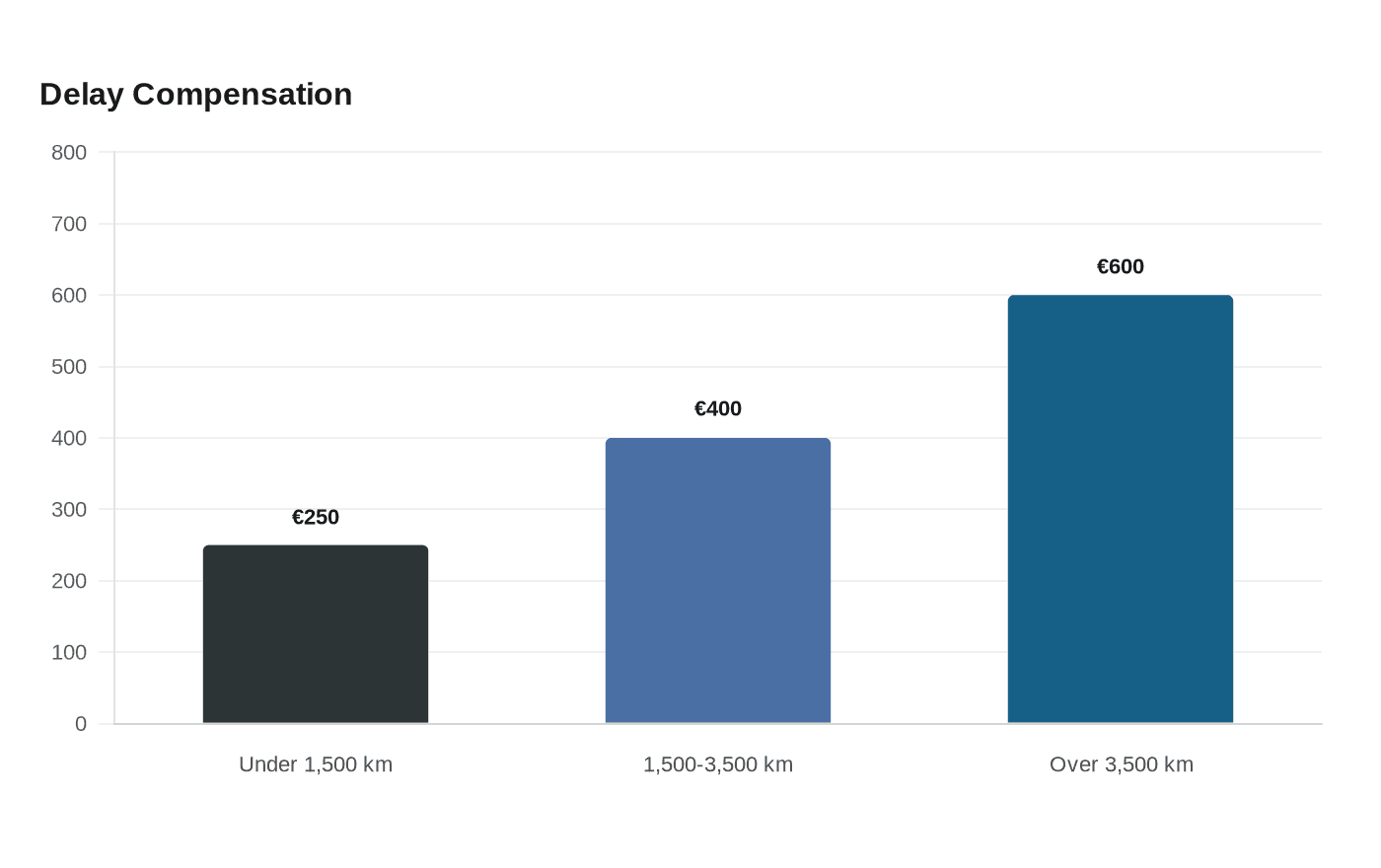
Travelers in the European Union kept a familiar safeguard in place: compensation still starts when a flight is delayed by three hours or more. The deal, struck by the Council of the European Union and the European Parliament in Brussels on June 15, preserves payouts of €250 for flights under 1,500 km, €400 for flights between 1,500 km and 3,500 km, and €600 for flights above 3,500 km.
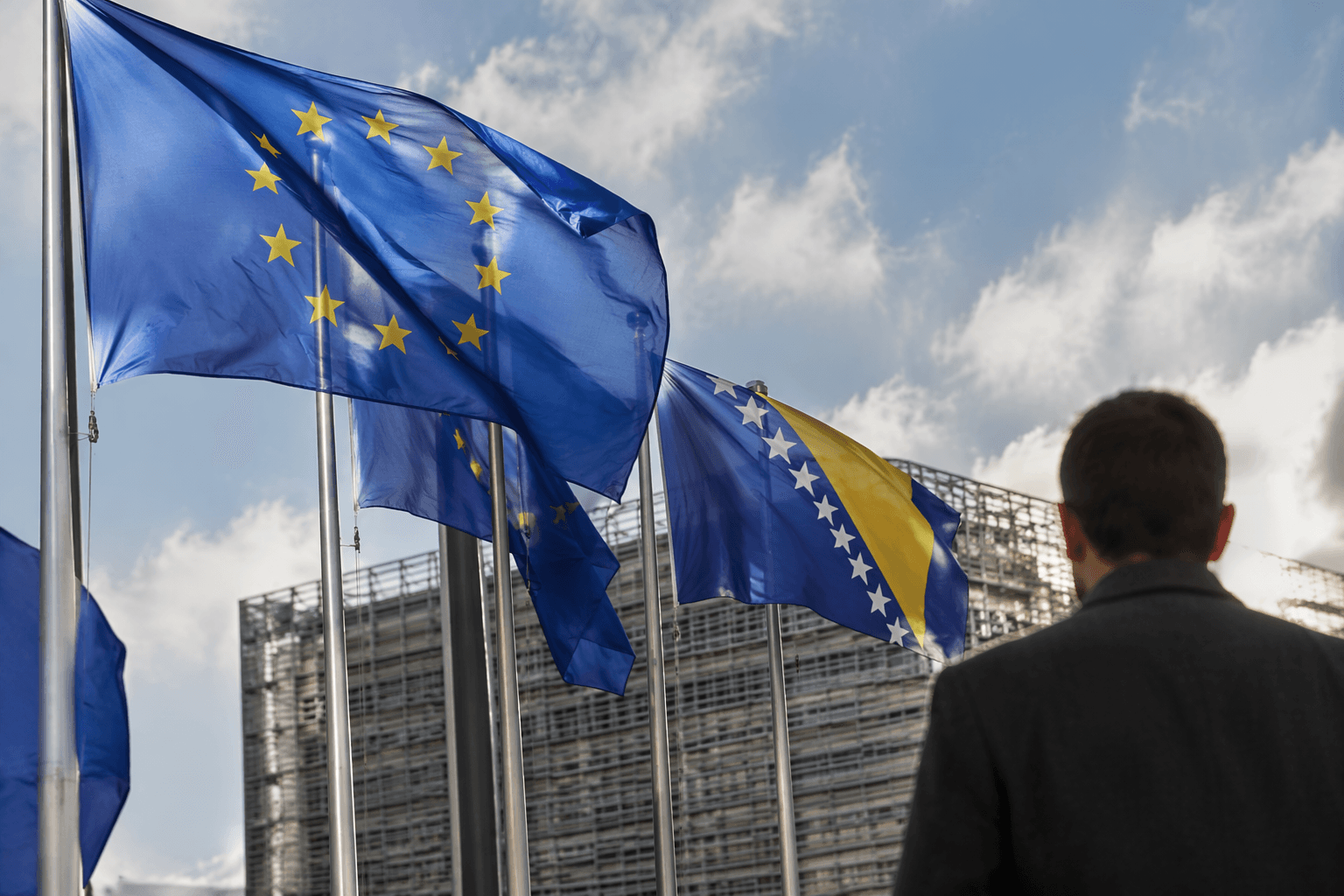
The agreement settled a fight that had dragged on for 13 years and became a test of how far Europe was willing to protect passengers against airline pressure. Airlines had pushed to loosen the rule, arguing that compensation is costly and can worsen disruption after relatively modest delays. Lawmakers instead kept the current line, a position the Parliament had already backed in January by 632 votes to 15, with nine abstentions.
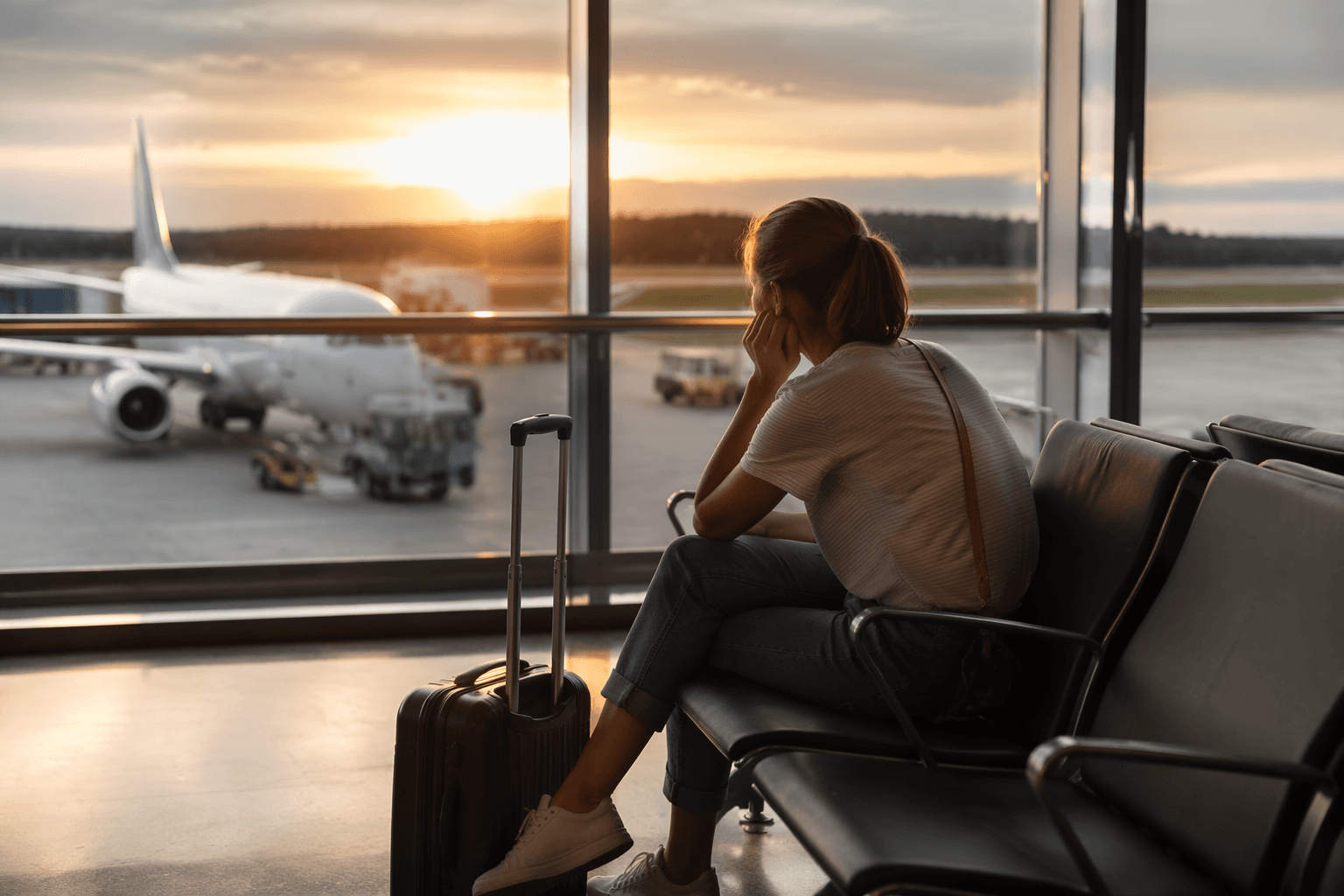
The Council had earlier proposed a higher trigger, with compensation only after four hours on short flights and six hours on longer ones. That approach was rejected. The Commission welcomed the compromise as the first overhaul of EU air passenger rights in more than two decades, saying the new framework should give travelers, airlines and enforcement authorities more certainty while keeping the existing standard of protection intact.
The broader package goes well beyond delay payouts. It adds clearer and faster claims handling, tighter transparency on ticket and fee pricing, a voluntary EU air passenger rights label during booking, and rules requiring airlines to include cabin bags in the base fare. It also would require carriers to seat children under 14 next to an accompanying adult at no extra cost and strengthen protections for passengers with reduced mobility.
The political significance reaches beyond one compensation threshold. EU air passenger rights were built on Regulation (EC) No 261/2004, and the current overhaul revives a file first proposed in 2013, with Parliament taking an initial position in 2014 before the text stalled in the Council until 2025. Parliament’s research service says the timing matters because the EU air transport market was liberalized in 1997, expanding routes and lowering fares while also bringing more congestion, delays and lost luggage. With the bloc carrying more than 1.1 billion air passengers a year, the vote showed that Europe is still willing to defend consumer protections even as airlines argue for more flexibility and lower operating costs.
The Council said the agreement was meant to preserve connectivity and keep a level playing field for airlines. For passengers, the result is simpler: if a long delay crosses the three-hour mark, the compensation rule still stands.
This article was produced by Prism’s automated news system from verified source data, official records, and press releases, then run through automated quality and moderation checks before publishing. The system is built and supervised by the people who set the standards it runs under. Read our full AI policy.
Did this article answer your question?