EU migration overhaul takes effect with stricter borders and deportations
The EU’s new migration pact started applying with tougher border checks and faster asylum rules, but member states still face a test of capacity and political will.
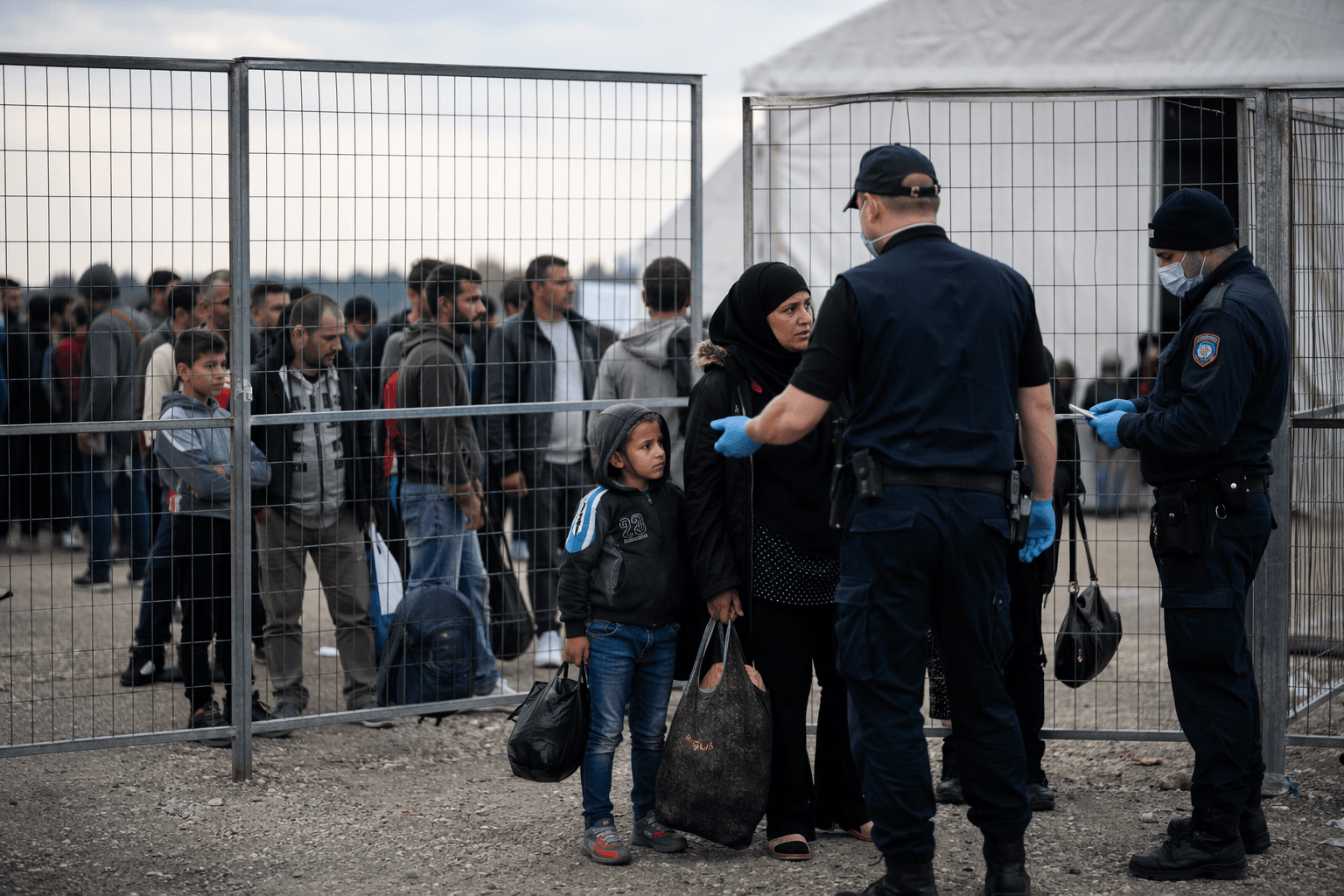
Europe’s new migration rulebook began applying on Friday, promising tighter border controls, faster asylum processing, expanded digital tracking and more deportations across the bloc’s 27 member states. The overhaul is meant to answer the migration pressures that reshaped European politics after the 2015 refugee surge, but the central question is whether national governments can turn a common plan into a functioning system on the ground.
The Pact on Migration and Asylum was adopted in May 2024 and built around 10 legislative acts. The European Commission’s Common Implementation Plan, issued on June 12, 2024, divided the rollout into 10 building blocks, including changes to national asylum and migration law, border procedures and digital systems. The Commission said on May 8, 2026, that member states had made significant progress, but more work was still needed before full application began on June 12, 2026.
European Commission President Ursula von der Leyen called the pact “fair and firm,” saying it would deliver more secure external borders, solidarity among member states and more efficient asylum and return procedures. Yet Birgit Sippel, a centre-left German EU lawmaker, warned that nearly no member state was fully ready, underscoring a familiar weakness in EU migration policy: rules agreed in Brussels often move faster than the personnel, detention space and digital infrastructure needed to enforce them.
The new system requires mandatory registration, identity checks and security, health and vulnerability assessments for irregular arrivals. The European Union Agency for Asylum said it is providing operational and technical support to help governments carry out the changes, but readiness varies widely across the bloc, especially among states at the EU’s external borders that will carry much of the first-line burden.
The timing matters. Irregular border crossings into the EU fell to almost 178,000 in 2025, down 26% from 2024, while first-time asylum applications dropped to 669,400, down 27%. That gives the bloc some breathing room, but it also raises the political stakes: if arrivals rise again, returns remain slow or asylum backlogs persist, the pact could quickly become another symbol of Europe’s tendency to rewrite migration policy without fixing enforcement.
Rights groups say the shift tilts too far toward control. The European Council on Refugees and Exiles said the pact “restricts access to asylum in Europe” and lowers fundamental-rights guarantees, while Amnesty International warned that related EU rules on safe countries and returns could make individual protection assessments harder and expand detention and offshore-style processing. UNHCR has urged the EU to keep protection at the core. The framework is now in force, but whether it changes migration management or simply repackages old dysfunction will depend on what member states do next.
This article was produced by Prism’s automated news system from verified source data, official records, and press releases, then run through automated quality and moderation checks before publishing. The system is built and supervised by the people who set the standards it runs under. Read our full AI policy.
Know something we missed? Have a correction or additional information?
Submit a Tip

