EU parliament approves US trade deal, easing tariff clash risk
The European Parliament locked in a deal that cuts duties on many U.S. imports, reducing the chance of a fresh tariff fight while Trump keeps pressure on other fronts.
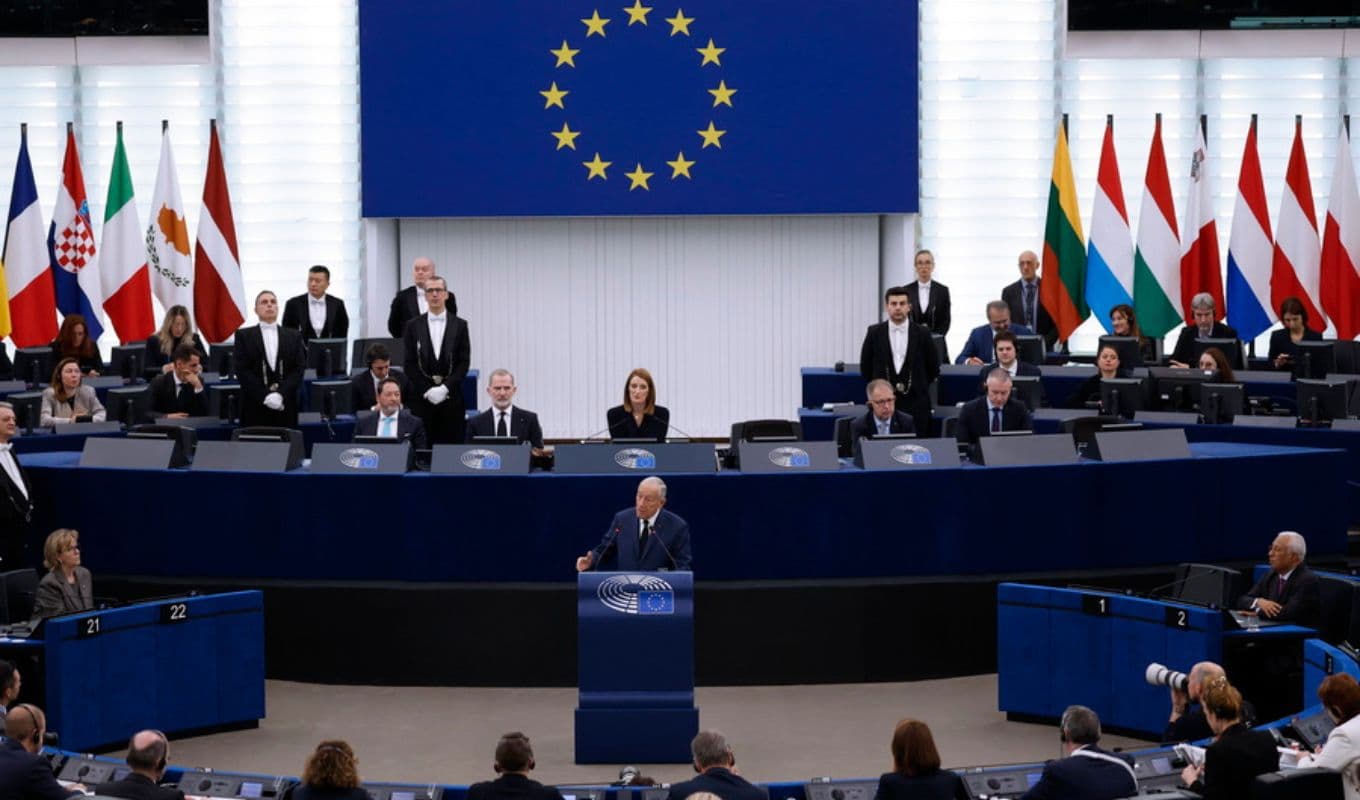
The European Union moved to shut down one of the biggest remaining risks in transatlantic trade: a new tariff clash that could have lifted costs for exporters, manufacturers and consumers on both sides of the Atlantic. By approving the bloc’s implementing legislation, the European Parliament cleared the EU side of a deal that lowers duties on many U.S. imports and gives Brussels a firmer, if still limited, basis for trade with Washington.
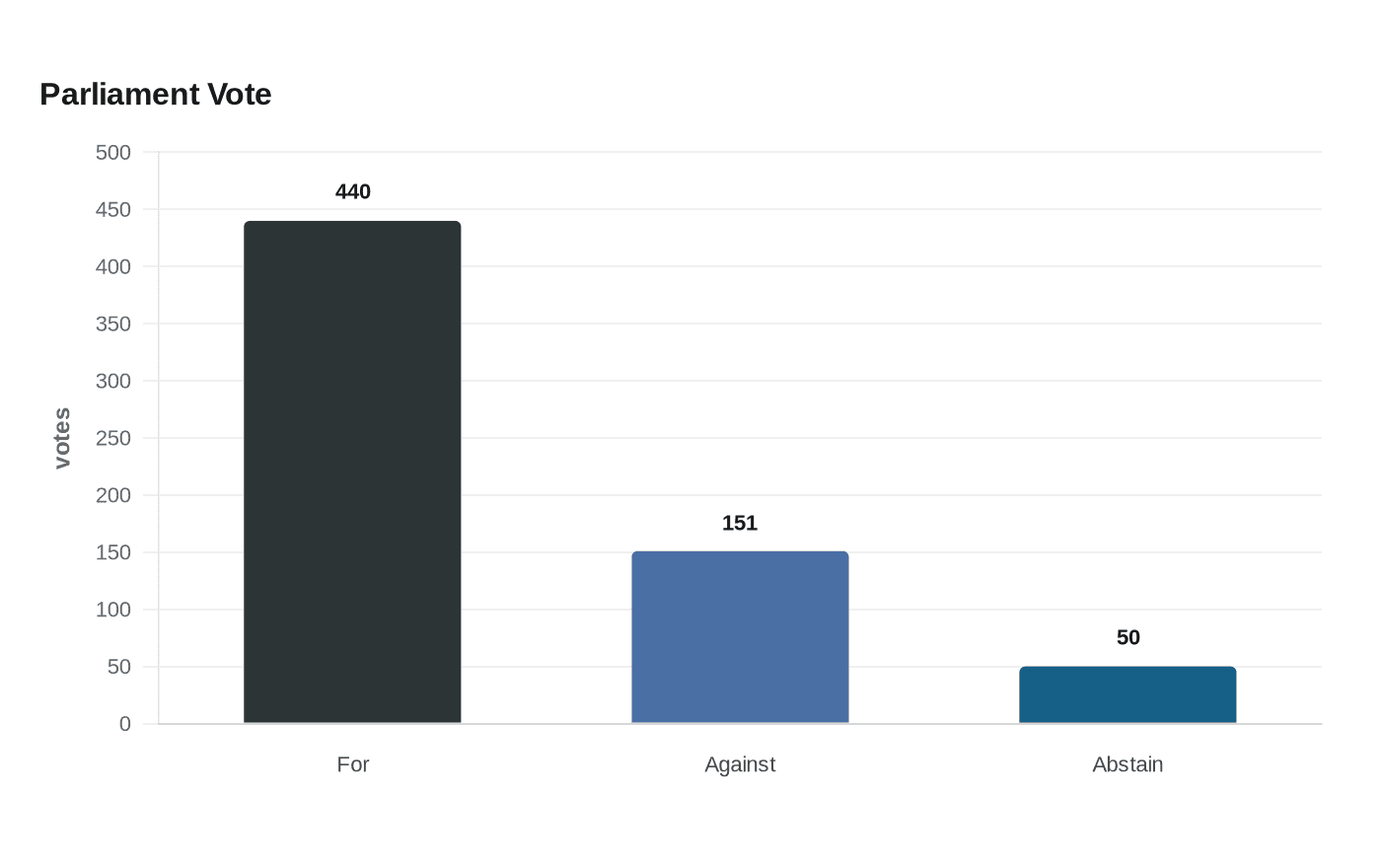
Lawmakers backed the measure by 440 votes to 151, with 50 abstentions. The vote finalised the parliamentary step in a package struck on July 27, 2025, at Donald Trump’s Turnberry golf resort in Scotland, where Trump and European Commission President Ursula von der Leyen set the terms of a new trade framework. Under that accord, the United States imposed 15% tariffs on most EU goods, while the EU committed to remove import duties on U.S. industrial goods and open preferential access for U.S. farm products.
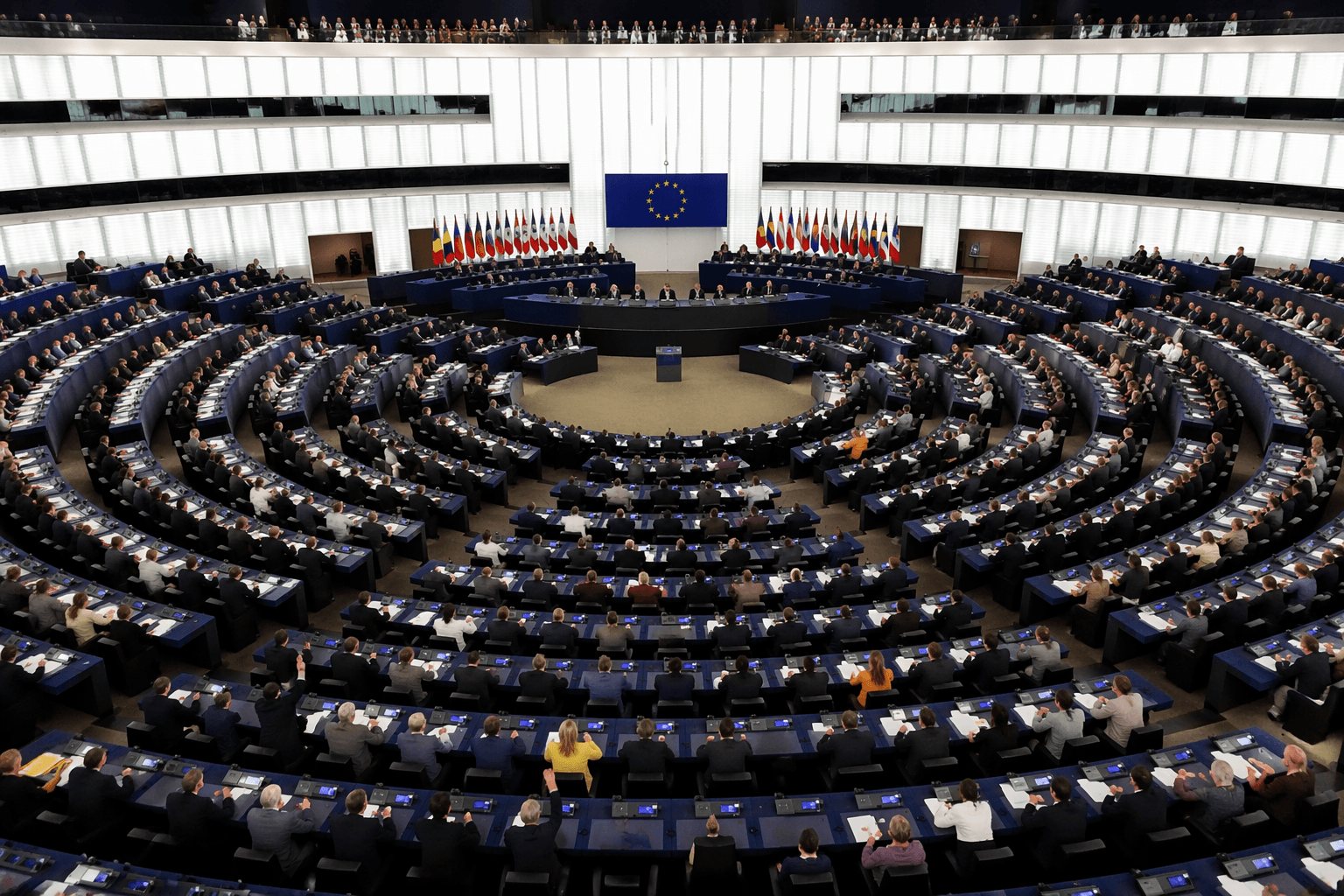
The legislation also extends duty-free access for U.S. lobsters, a small but politically symbolic concession that dates back to Trump’s first term. It took almost 11 months for Parliament to act, and Trump had threatened much higher tariffs if Brussels missed a July 4 deadline. EU capitals had already endorsed the deal, so the Strasbourg vote was the last political hurdle before implementation.
The relief, however, is only partial. The U.S. still has to formally put in place the broad 15% tariff structure on EU goods, and the Trump administration plans to replicate the Turnberry tariff arrangement by July 24, when an interim 10% regime expires. Washington had already agreed last fall to lower levies on European cars, and those changes took effect then.

The pact runs through the end of 2029 and includes safeguards allowing the EU to suspend concessions if Washington breaches the agreement. Brussels has also said it could move against tariff concessions if the U.S. keeps charging more than 15% on steel and aluminum derivatives beyond the end of this year, including products such as washing machines and cutlery.
For now, the vote points to a truce rather than a reset. Trump was still threatening fresh trade action elsewhere, saying on Monday he would impose 100% tariffs on French wine unless France abandoned its digital sales tax. That keeps the deal politically useful in the short term, but its durability will depend on whether both sides stick to the tariff limits they have now put on paper.
This article was produced by Prism’s automated news system from verified source data, official records, and press releases, then run through automated quality and moderation checks before publishing. The system is built and supervised by the people who set the standards it runs under. Read our full AI policy.
Did this article answer your question?

