EU proposes single-ticket rail bookings across Europe
One EU ticket could cover a cross-border rail trip from booking to rerouting if a connection fails, but operators warn fragmented infrastructure may still slow the fix.

A single rail booking could soon carry passengers across multiple countries, multiple operators and, if a connection fails, a clearer right to rerouting, reimbursement and compensation. The European Commission adopted its Passenger Package on 13 May 2026, pitching the measure as a consumer-rights overhaul that would make cross-border train travel easier to compare, easier to buy and less risky for ordinary passengers trying to stitch together long journeys.
The package rests on three proposals: new rules for multimodal booking, a rail ticketing regulation and a targeted revision of rail passenger-rights rules. Under the plan, ticketing platforms would have to present offers neutrally and, where feasible, sort them by greenhouse-gas emissions. Brussels is also trying to make rail look more like a real continental network than a patchwork of national systems, arguing that a simpler booking experience could pull travelers away from short flights and toward lower-carbon rail.
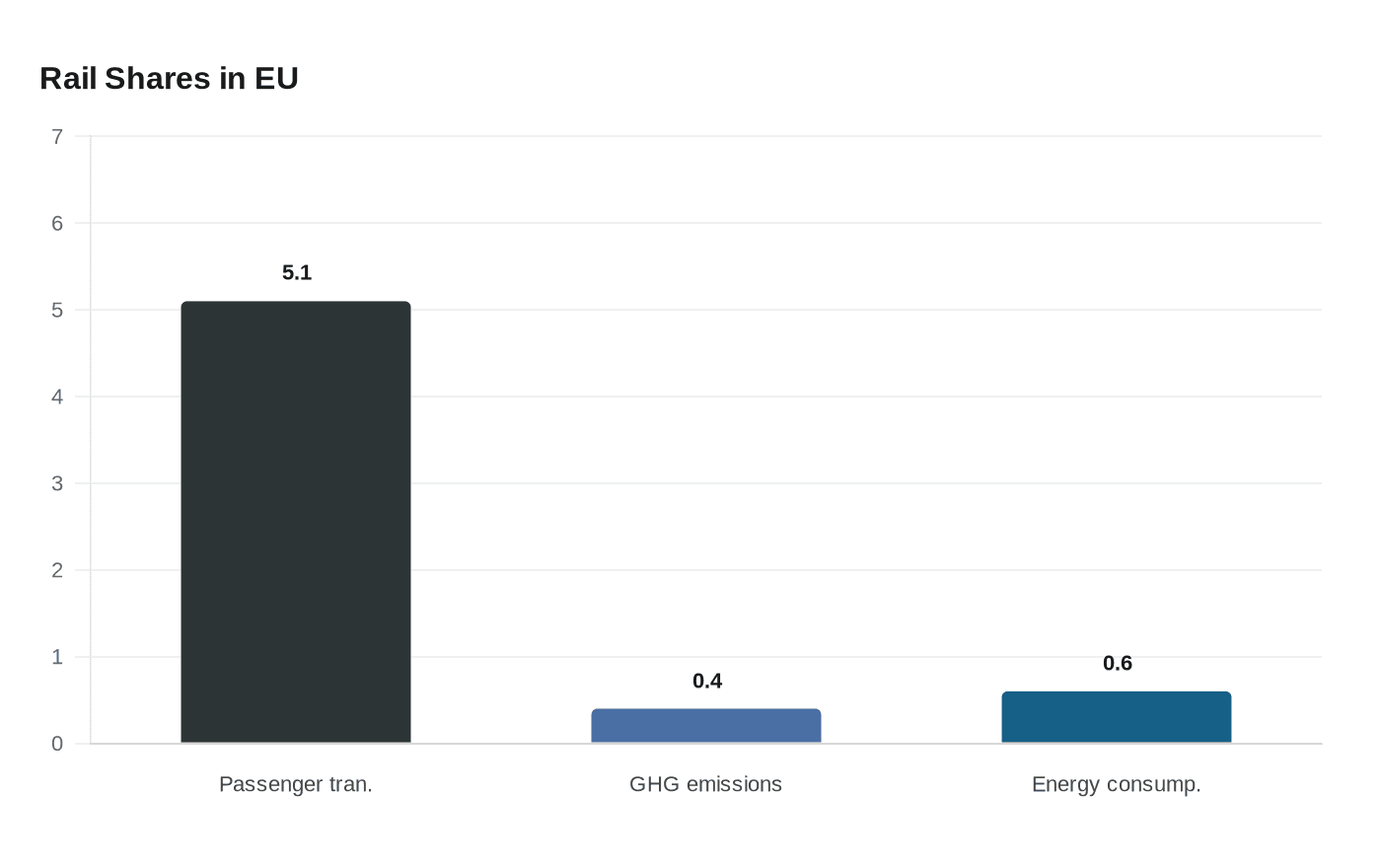
The Commission has made the climate case with hard numbers. Rail accounts for 5.1% of passenger transport between EU countries, but only 0.4% of transport greenhouse-gas emissions in the EU and just 0.6% of transport energy consumption. In its own analysis, multimodal options were available on 76% of 100 representative EU routes, yet a 2024 Eurobarometer survey of 26,000 EU citizens found that one third had never booked a multimodal or multi-operator journey, and more than a third of those who had tried ran into problems finding suitable combinations or buying all tickets in one place.
That gap is the story’s consumer-rights core. The current Rail Passenger Rights Regulation entered into force in June 2021 and has applied since 7 June 2023, and the 2021 revision already required some carriers acting as a sole undertaking to offer through-tickets. But those arrangements stop short of fully protecting passengers on complex cross-border trips involving different operators. The Commission’s new single-ticket model is meant to close that hole, while giving rail companies one year to adapt their websites and booking platforms.
The plan has already exposed a familiar Brussels fault line. The Community of European Railway and Infrastructure Companies warned that mandatory distribution rules and heavier liability burdens could raise ticket prices and leave railways carrying the costs while digital platforms take the market. It also said 73% of surveyed citizens who had tried to book two or more connecting trains run by different operators found the process easy, and pointed to a 75% jump in international digital rail sales in Germany from the start of 2026 versus 2025 after OSDM implementation. Supporters, including consumer groups such as BEUC and campaigners at Transport & Environment, say the real test is whether Brussels can force fair access, fair terms and real passenger protection without letting the market stay fragmented. The Commission’s wider rail strategy, including its high-speed targets for Berlin to Copenhagen by 2030 and Sofia to Athens by 2035, shows that the ticketing fight is only one part of a larger push to make cross-border rail usable at scale.
This article was produced by Prism’s automated news system from verified source data, official records, and press releases, then run through automated quality and moderation checks before publishing. The system is built and supervised by the people who set the standards it runs under. Read our full AI policy.
Did this article answer your question?