EU rejects Russian veto over who represents Europe in Ukraine talks
EU ministers in Cyprus rejected any Russian role in choosing Europe’s negotiators, casting the fight over representation as a test of unity on Ukraine.

European Union foreign ministers drew a line in Limassol on Thursday: Russia will not get to choose who speaks for Europe in any future talks on Ukraine. The message was aimed squarely at Moscow’s effort to shape the diplomatic table as much as the battlefield, and it put representation itself at the center of the struggle over any eventual settlement.
The informal Gymnich meeting, co-chaired by Cyprus foreign minister Constantinos Kombos and EU foreign policy chief Kaja Kallas, brought the bloc’s top diplomats together at the Port of Limassol to discuss the war in Ukraine and continuing Russian aggression. Kallas said the EU would never be a “neutral mediator” because it has been firmly on Ukraine’s side, and she warned colleagues not to fall into what she called a Russian “trap” over who should represent Europe. She also said Europe’s efforts should complement Washington’s rather than replace them.
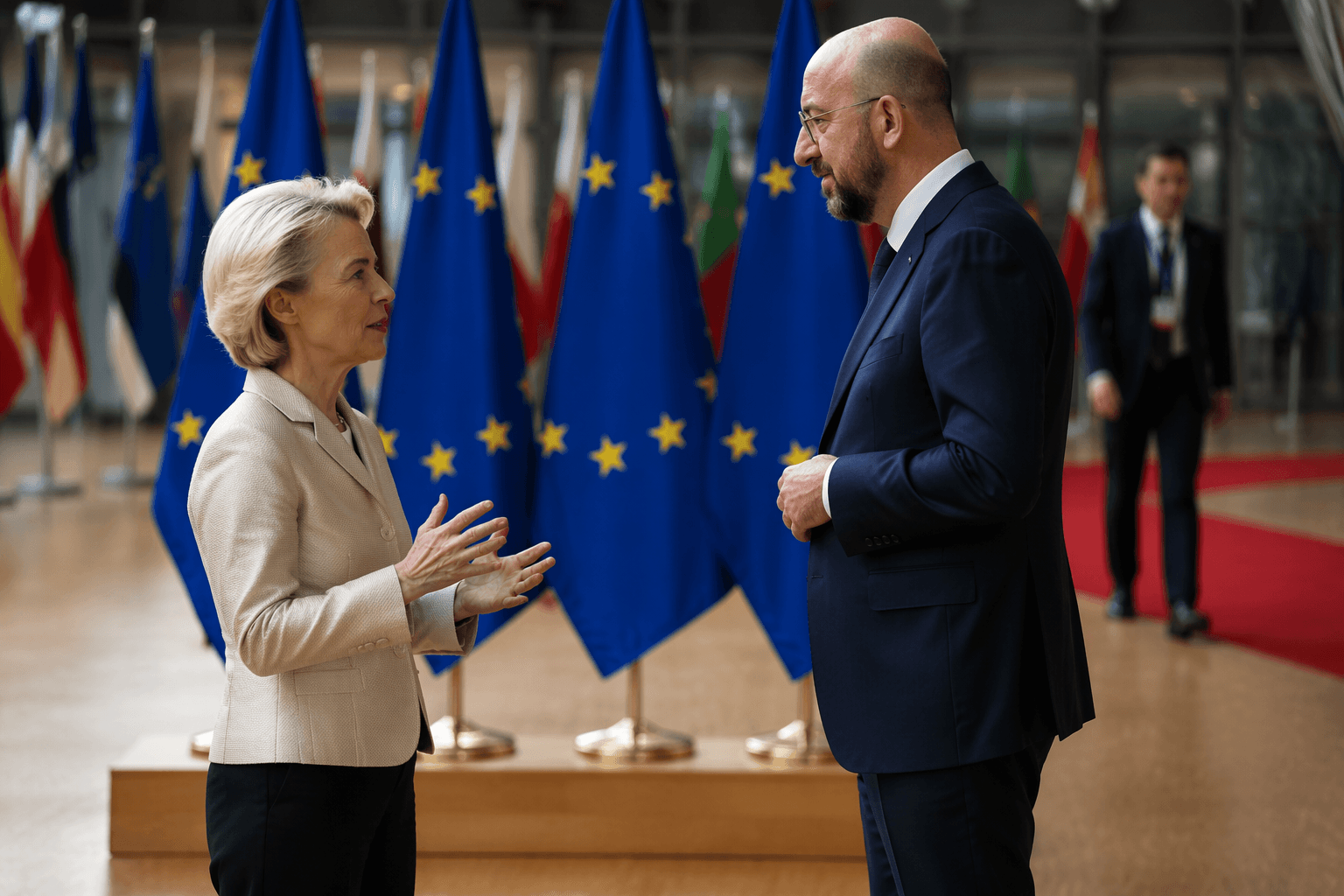
That stance reflected a broader diplomatic balancing act. Ukraine has been pushing for Europe to have a place in negotiations with Moscow, while the United States has been focused on the war in Iran. EU officials used the meeting to signal that any European role would be coordinated, not dictated by Russia, and that the bloc would not be split by bilateral pressure on individual capitals. Kallas said “the fundamentals have not changed,” adding that Ukraine had been ready for an unconditional ceasefire since February, while Russia had shown no genuine interest in peace and President Vladimir Putin would only negotiate seriously if he believed he was losing.
The talks in Cyprus also took place against a harder security backdrop. Moscow recently warned foreigners and diplomats to leave Kyiv ahead of possible intensified strikes, prompting several EU governments and the EU itself to summon Russian envoys. The EU delegation in Kyiv said it was staying put despite those warnings. Ministers also discussed a new sanctions package, building on the bloc’s 17th round of penalties adopted in May 2025, which targeted Russia’s shadow fleet, energy revenues and access to battlefield technology. For Brussels, the message from Limassol was clear: Europe wants a seat in any Ukraine talks, but not on Russian terms.
This article was produced by Prism’s automated news system from verified source data, official records, and press releases, then run through automated quality and moderation checks before publishing. The system is built and supervised by the people who set the standards it runs under. Read our full AI policy.
Did this article answer your question?


