EU sends 2,500 troops to Spain for rapid reaction drill
2,500 troops drilled in Zaragoza as the EU tested whether its rapid force can move beyond paper promises. The exercise was a blunt check on strategic autonomy.
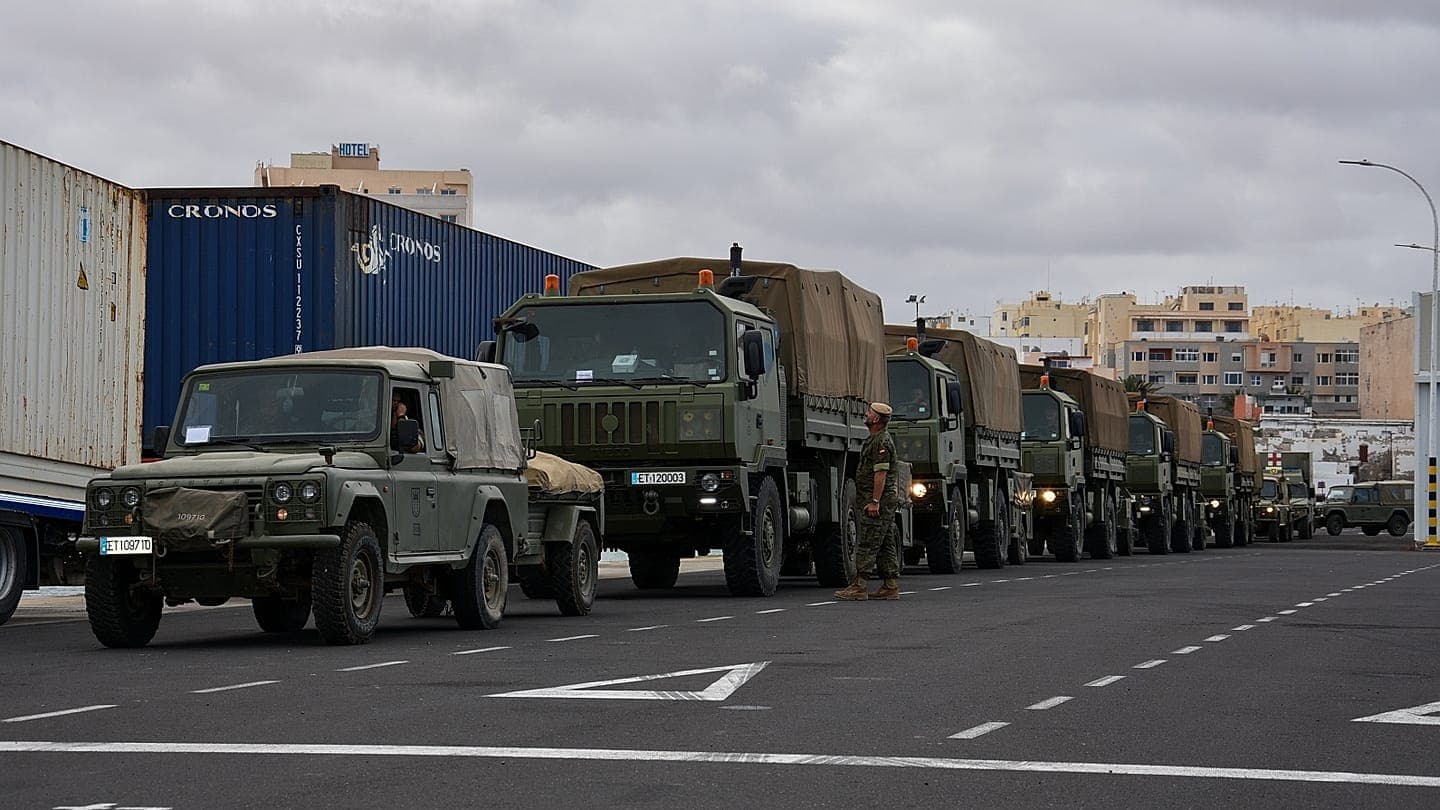
The European Union sent 2,500 troops to Spain for MILEX 26, a live drill at the San Gregorio Training Centre in Zaragoza that is meant to show whether the bloc can turn its rapid reaction plans into something usable in a crisis.
The exercise is the annual test for the EU’s Rapid Deployment Capacity, a force designed for up to 5,000 troops. It is supposed to handle stabilisation, rescue and evacuation, humanitarian assistance and disaster relief, peace enforcement, conflict prevention and capacity building, but only after a unanimous decision by member states. That political hurdle matters as much as the soldiers on the ground: Europe can draw up force plans quickly enough, but the harder question is whether capitals will agree when the call comes to move.
MILEX 26 sits inside a broader effort to make the EU a more coherent security actor. The Strategic Compass, approved on March 21-22, 2022 after Russia’s full-scale invasion of Ukraine, set the goal of a strong EU Rapid Deployment Capacity of up to 5,000 troops and regular live exercises on land and at sea. EU officials later said the Rapid Deployment Capacity became operational in early 2025, after preparations throughout 2022 to 2024 had aimed for full operational capability by 2025. The point of the drill is not just training. It is to test planning, command and control, and the early stages of autonomous crisis management.

That makes the exercise a reality check on Europe’s long-running strategic autonomy debate. The EU’s earlier Battlegroups, multinational units of up to 1,500 personnel, have existed since 2007 and were never deployed, largely because of weak political will and the requirement for unanimity. MILEX 26 is intended to show whether the new structure can avoid that fate by proving that member states can coordinate land, air and maritime forces fast enough to matter when evacuations, humanitarian emergencies or stabilisation missions are unfolding in real time.
Eurocorps described the scenario as a realistic peace-enforcement mission set in an African environment and said the drill was meant to assess progress in multinational operational planning and execution. For Spain, the host nation, the choice of Zaragoza also underscored how southern Europe remains central to EU defence planning, not just the eastern flank. If MILEX 26 exposes delays, friction or command problems, it will deepen doubts about whether Europe can field a truly rapid, unified force without leaning on the United States. If it works, it will strengthen the case that the bloc’s security ambitions are finally becoming operational.
This article was produced by Prism’s automated news system from verified source data, official records, and press releases, then run through automated quality and moderation checks before publishing. The system is built and supervised by the people who set the standards it runs under. Read our full AI policy.
Did this article answer your question?