EU sends 447 emergency generators to Ukraine after mass outages
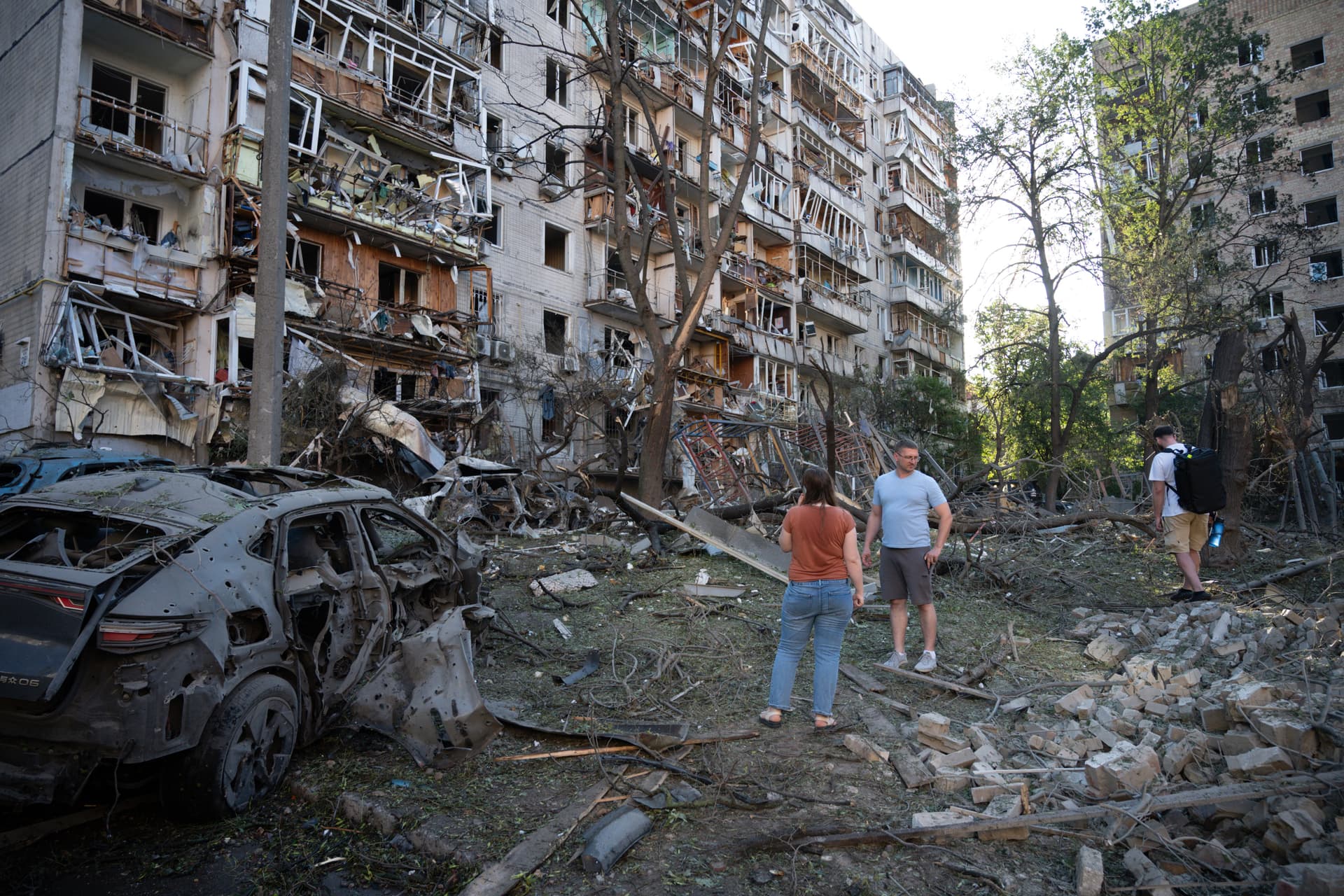
European Commission deployed 447 generators from rescEU to Ukraine to restore power to hospitals and shelters after strikes left over 1 million without electricity.
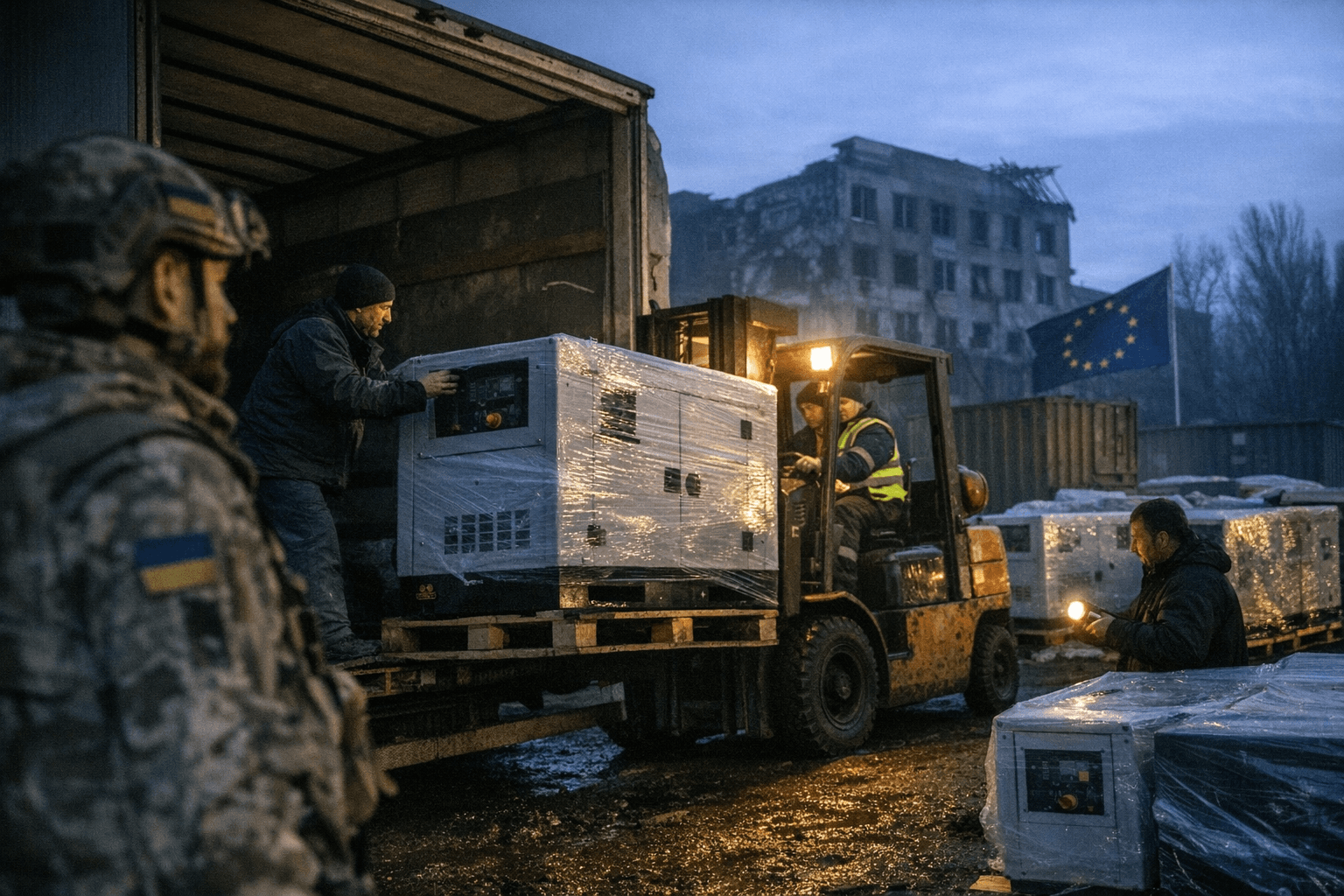
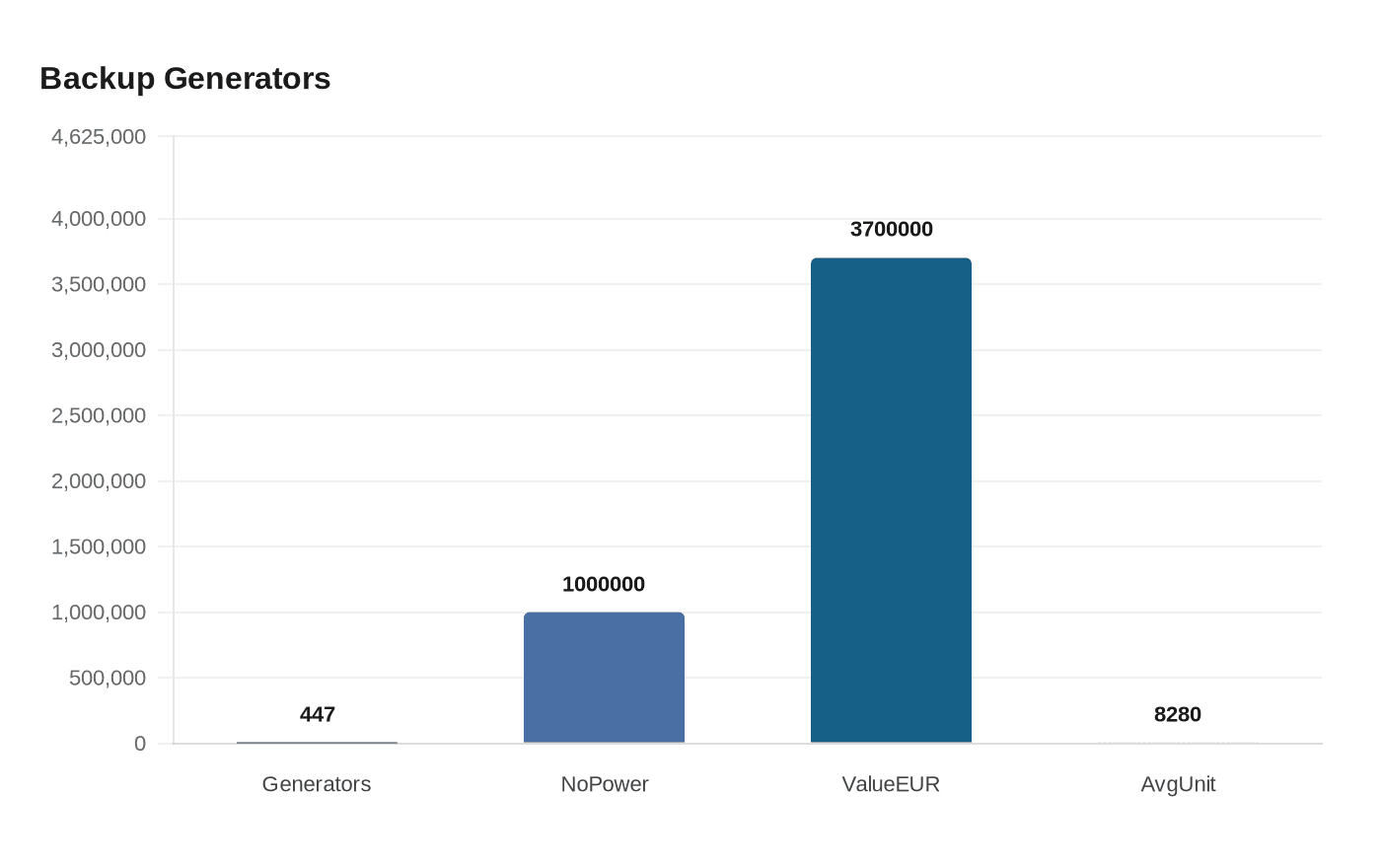
The European Commission announced on Jan. 23 that it had deployed 447 backup generators from the EU strategic reserve rescEU, hosted in Poland, to Ukraine after Russian strikes left more than 1 million people without power. Valued at €3.7 million, the shipment is intended to restore electricity to hospitals, shelters and other critical services while repair crews work on damaged infrastructure.
The package represents an immediate humanitarian intervention rather than a long-term fix. At an average value of roughly €8,280 per unit, the generators will provide stopgap capacity for medical facilities, emergency centers and local administrations that remain vulnerable to prolonged outages. Delivery logistics and fuel supply will determine how quickly units can become operational and which sites can be prioritized, officials said in the Commission statement.
The deployment underscores the persistent exposure of Ukraine’s energy system to kinetic attacks and the limits of relying on centralized grids in a conflict environment. Since 2022, deliberate strikes on power plants and transmission lines have repeatedly triggered widespread blackouts. The rescEU intervention aims to blunt the immediate human cost of these attacks, reducing risks to patients in intensive care, to people relying on heat amid winter conditions, and to critical water and sanitation services.
Economically, the €3.7 million package is modest relative to the scale of damage that targeted strikes cause. Repairing high-voltage transmission lines, substations and large generation plants typically requires months of engineering work and tens or hundreds of millions in investment. For Ukraine’s public finances and donors, temporary deployments like this are likely to be only part of a larger, costly reconstruction bill that will include grid hardening, redundancy measures and fuel procurement for backup generation.
Markets will feel some indirect effects. Short-term demand for mobile generators, transformers and diesel could push regional equipment and fuel prices higher, particularly in Eastern Europe and among suppliers active in the humanitarian sector. Energy companies that service decentralized generation and microgrid technology may see increased orders, while insurers and international lenders will reassess risk premia for infrastructure exposed to hostilities.
Politically, the deployment illustrates both the practical utility and the limitations of the rescEU mechanism, which pools assets across member states for fast reaction to disasters. Hosting of equipment in Poland allowed rapid mobilization, but the episode is likely to renew policy debates in Brussels on whether to expand strategic reserves, accelerate spending on cross-border grid resilience, and coordinate fuel logistics for emergency power.
For Ukrainians, the generators will provide immediate relief to communities and institutions, but they also highlight a longer-term strategic challenge: adapting energy policy and investment to a reality where infrastructure can be repeatedly targeted. The international response in the weeks ahead will signal how quickly temporary measures are complemented by the larger reconstruction financing and resilience projects needed to reduce future disruptions.
This article was produced by Prism’s automated news system from verified source data, official records, and press releases, then run through automated quality and moderation checks before publishing. The system is built and supervised by the people who set the standards it runs under. Read our full AI policy.
Did this article answer your question?