EU split deepens as Brussels quietly reopens contact with Moscow
Brussels’ quiet contact with Moscow has split EU capitals, with some pushing for a diplomatic channel and others warning it could weaken pressure on Russia.

Brussels’ quiet reopening of contact with Moscow has exposed a sharp divide inside the European Union over whether limited diplomacy is prudence or a sign of sanctions fatigue. Antonio Costa’s office made brief contacts with the Kremlin in recent weeks to open communication channels, but EU officials said nothing substantive was discussed, underscoring how narrow the move was and how politically explosive even that modest step became.
The outreach came after years in which the EU had effectively stopped speaking directly to Russia following its full-scale invasion of Ukraine in 2022. Costa’s aides treated the contact as a contingency measure, not a negotiating track, and the EU said it was not acting as a mediator between Ukraine and Russia. Still, the decision revived a basic question facing European leaders: whether maintaining isolation should remain the priority, or whether a controlled channel to Moscow could preserve room for future diplomacy.
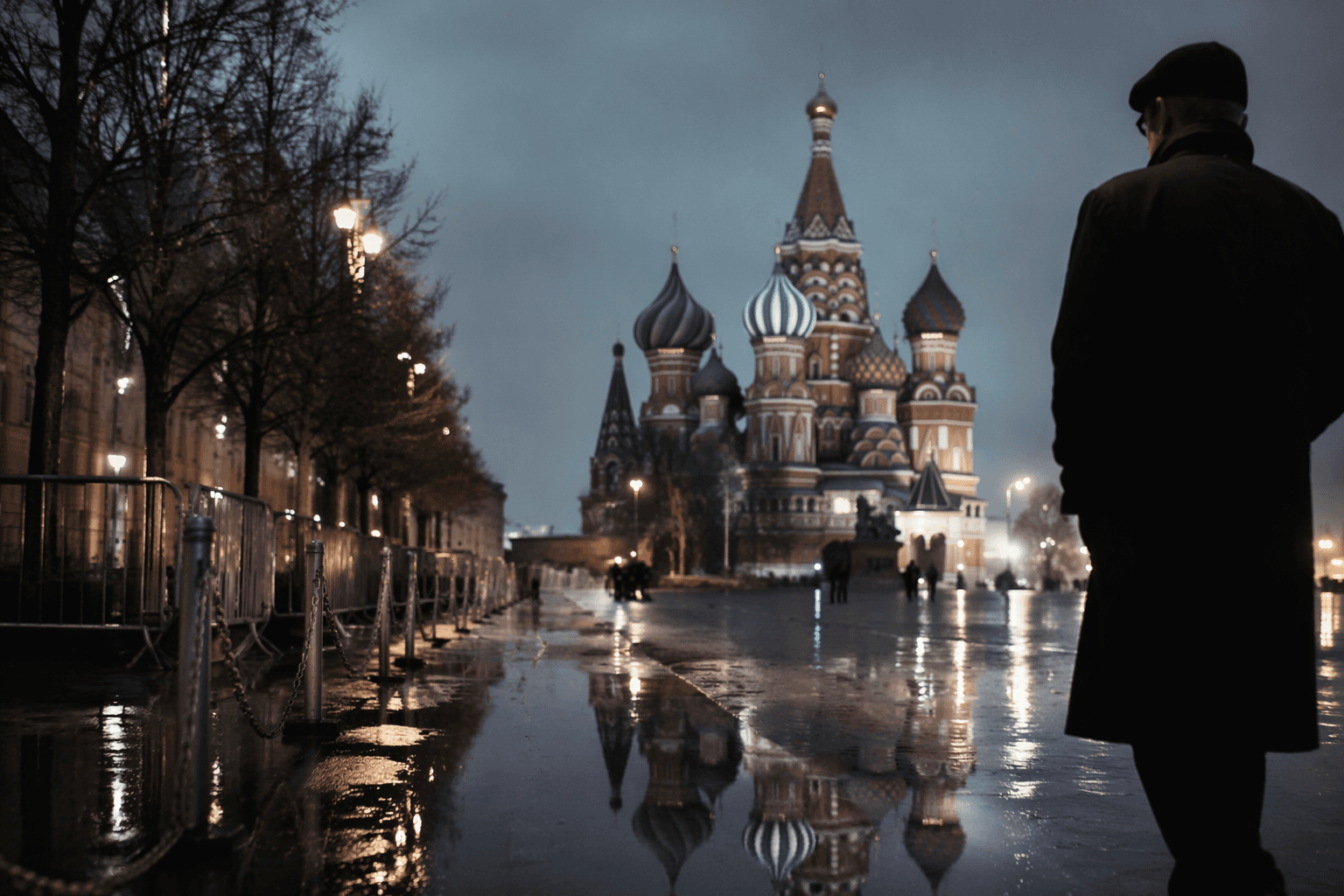
The debate sharpened after Volodymyr Zelenskyy urged EU leaders to take a more active role in peace efforts during a gathering in Cyprus last month. Days later, on June 7, Zelenskyy met Keir Starmer, Emmanuel Macron and Friedrich Merz in London, where the E3 leaders said they supported a just and lasting peace and called for an immediate and complete ceasefire. Their joint statement said the current line of contact should be the starting point for negotiations, while also pressing for more military support for Ukraine and stronger pressure on Russia’s war economy before any talks.

Inside the EU, the split is not just about whether to talk to Moscow, but who should speak for Europe and when. Giorgia Meloni renewed her call for a single EU envoy to handle contacts with Russia, while Merz and Macron disagreed with Costa’s outreach. Poland and Baltic states pushed back as well, warning that direct talks could undercut pressure on Moscow. Some governments were said to have learned of the contacts only after media reports surfaced, adding urgency to calls for clearer rules on who can open a channel if formal talks ever begin.
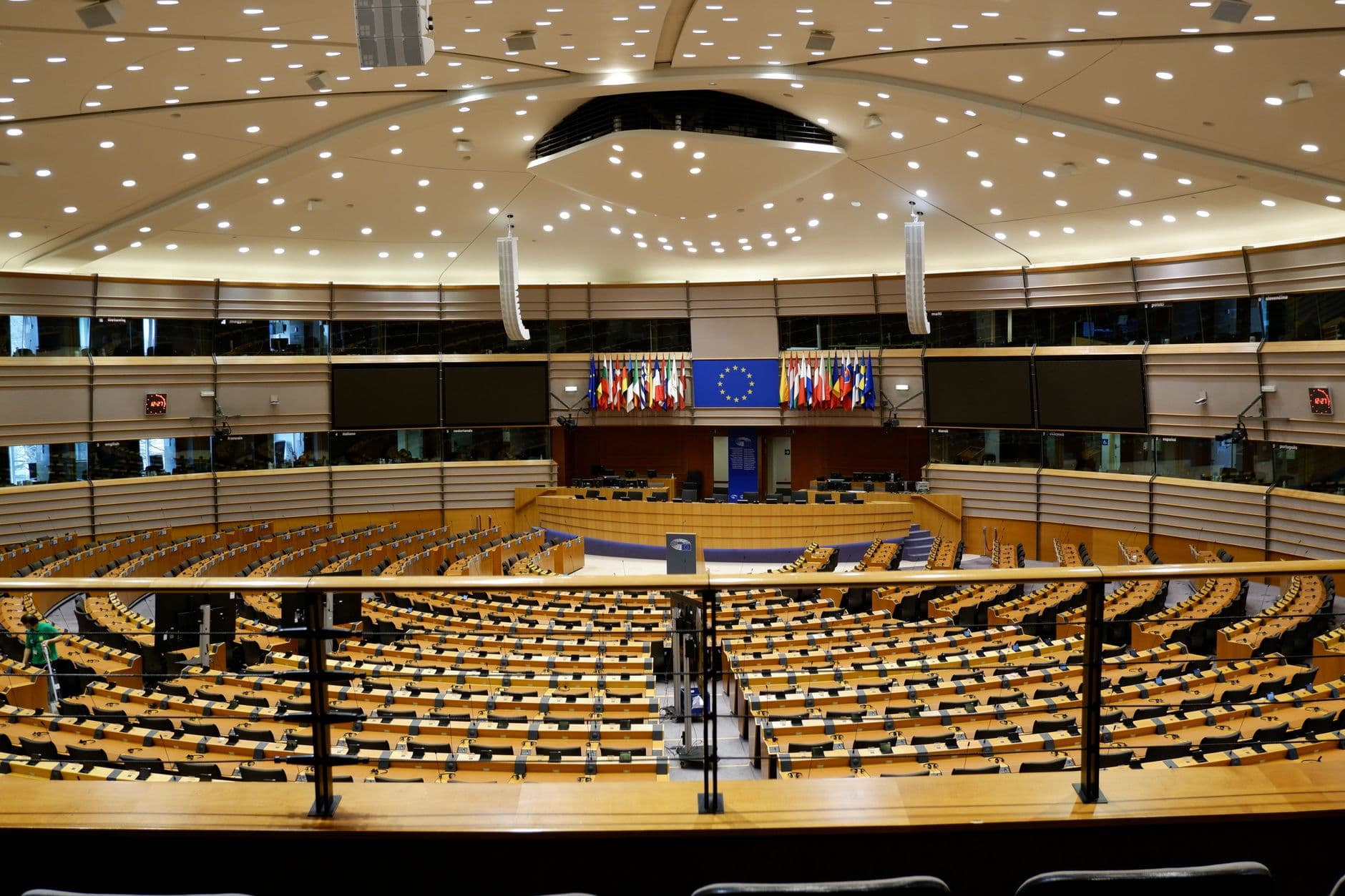

The handling of the outreach through Pedro Lourtie, Costa’s chief of staff, suggests Brussels wanted a narrow diplomatic insurance policy rather than a policy shift. But even that was enough to show how fragile Europe’s common line on Russia has become, and how any future opening to Moscow will test both EU leverage over Ukraine and transatlantic unity at a moment when the war’s costs keep rising.
This article was produced by Prism’s automated news system from verified source data, official records, and press releases, then run through automated quality and moderation checks before publishing. The system is built and supervised by the people who set the standards it runs under. Read our full AI policy.
Did this article answer your question?


