EU talks on watering down AI rules end without agreement
EU negotiators spent 12 hours trying to trim AI rules and walked away empty-handed, exposing a split over whether safety law can be loosened for industry.
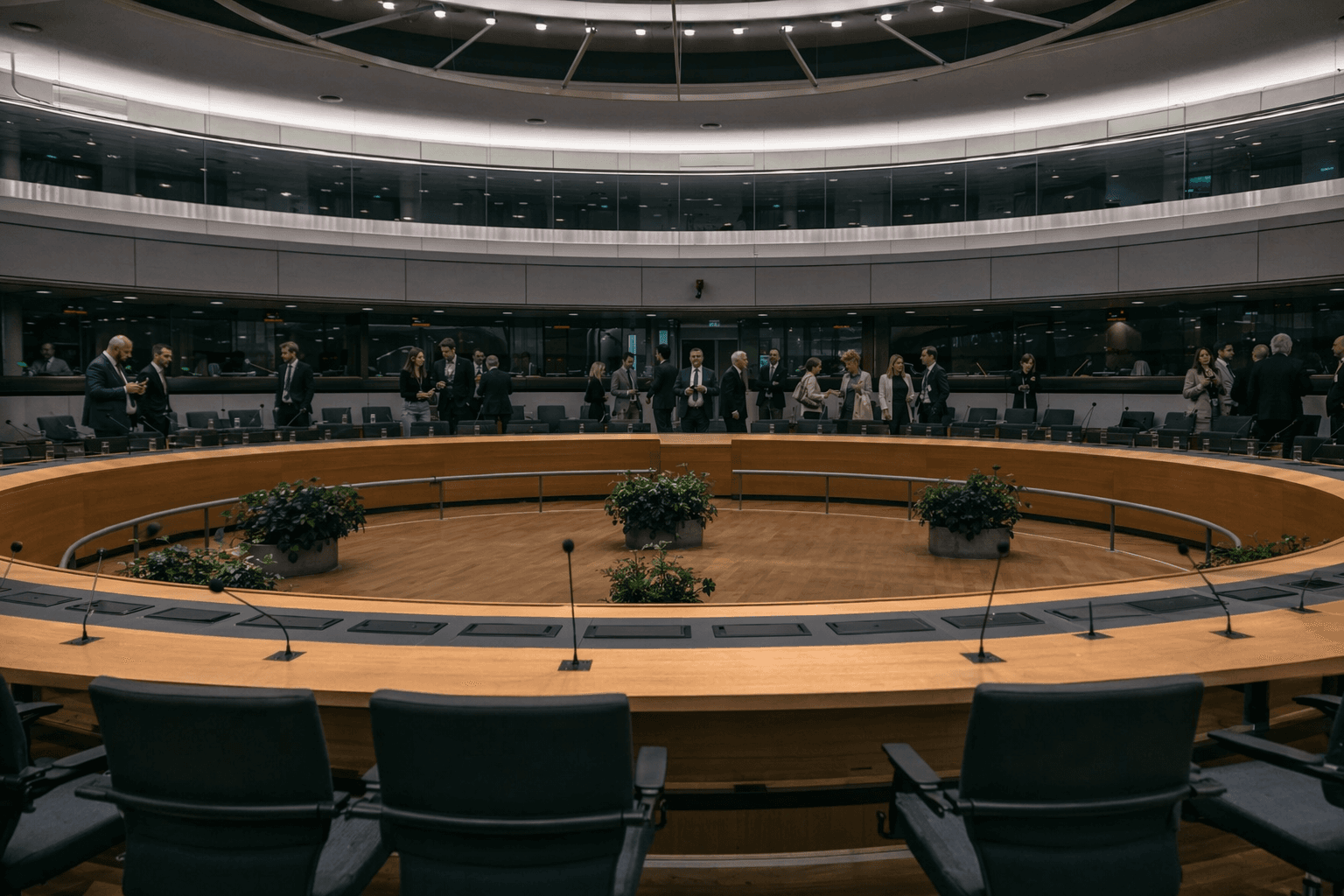
EU negotiators spent about 12 hours trying to soften the bloc’s landmark AI rules, then left without a deal, underscoring how even watered-down regulation is running into a basic fight over how far Europe should go to constrain artificial intelligence.
The stalemate centered on whether industries already covered by sector-specific rules, including product safety regulations, should be exempt from the AI law. That dispute sits at the core of the European Commission’s Digital Omnibus, a broader effort to streamline digital regulation and help European businesses close the gap with rivals in the United States and Asia. Supporters of the revisions argued that simpler rules would reduce red tape and make Europe more competitive. Critics warned that carving out exemptions would weaken safeguards in exactly the sectors where AI can carry the greatest risk, from biometric identification and utilities supply to health, creditworthiness and law enforcement.

The AI Act was built to impose tougher requirements on high-risk systems in those areas, and the failure to reach agreement left the proposed revisions unresolved. The talks began at 11:00 GMT on Tuesday and are expected to resume next month, extending a debate that has become one of Europe’s most important technology-policy fights. For U.S. tech firms, the delay keeps the regulatory picture in flux at a moment when Europe’s rules often shape compliance decisions far beyond the bloc’s borders.
The political tone of the dispute made the stakes plain. A Cypriot official said it was not possible to reach an agreement with the European Parliament, while Dutch lawmaker Kim van Sparrentak accused opponents of handing Big Tech a win and leaving safety-conscious European companies in regulatory limbo. The clash is not only about one law. The AI package is tied to GDPR, the e-Privacy Directive and the Data Act, so any delay ripples through Europe’s wider digital rulebook.
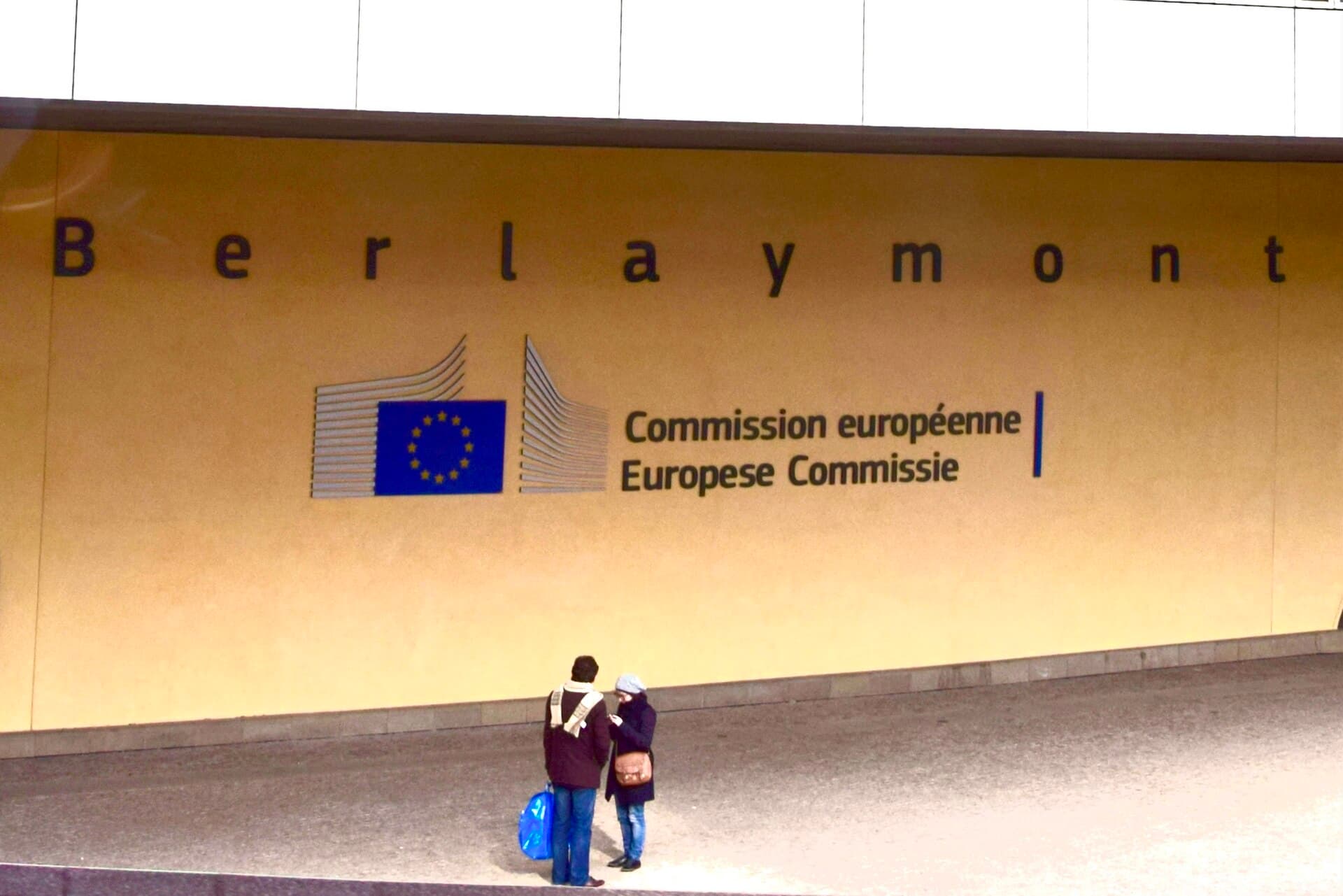
That breadth is why the outcome matters well beyond Brussels. The European Union has positioned itself as a global test case for AI governance, and every month of delay gives companies, regulators and civil-rights groups less clarity about where the line will be drawn. As the next round of talks approaches, the unresolved question is not just how much Europe will relax its AI rules, but whether lawmakers can agree at all before the technology moves faster than the law.
This article was produced by Prism’s automated news system from verified source data, official records, and press releases, then run through automated quality and moderation checks before publishing. The system is built and supervised by the people who set the standards it runs under. Read our full AI policy.
Did this article answer your question?