UNICEF warns five million Darfur children face extreme deprivation
Five million Darfur children are facing extreme deprivation as hunger, displacement and attacks on civilians deepen while global attention fades.
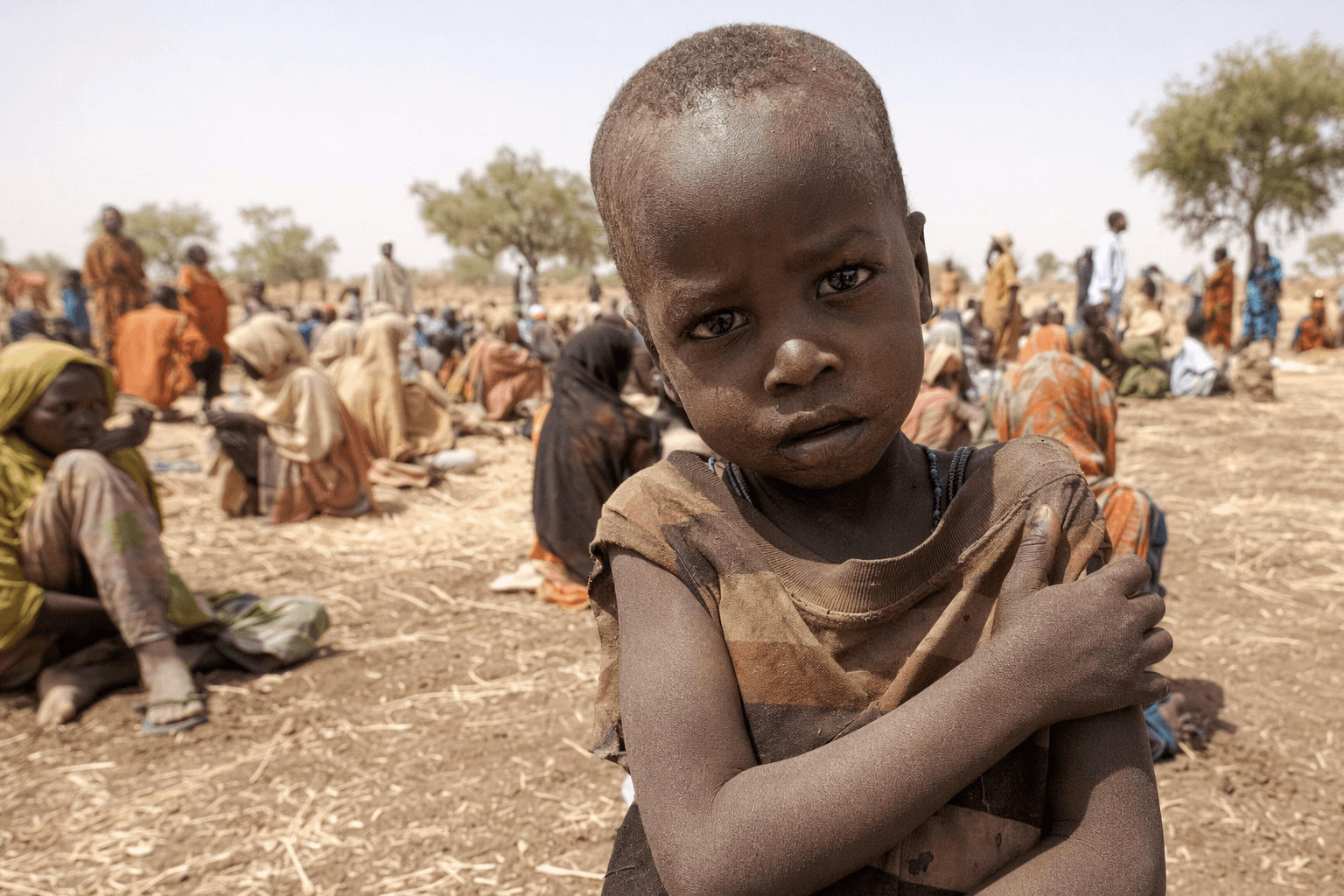
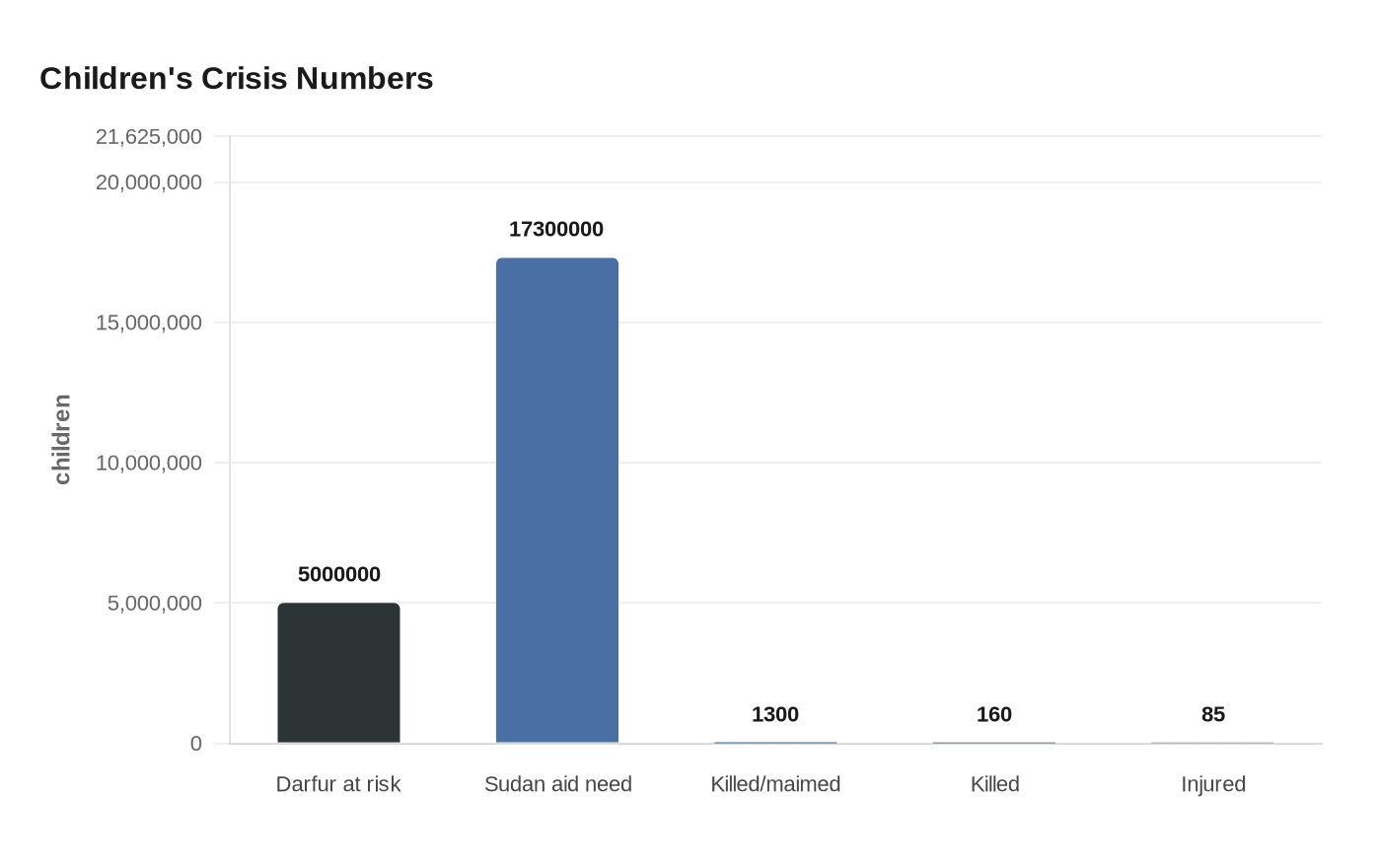
UNICEF has warned that five million children across Darfur are facing extreme deprivation as Sudan’s civil war grinds into its fourth year, a crisis the agency says has slipped far from the world’s attention even as the toll on children deepens. The alert, released on April 28, is UNICEF’s first for Darfur in 20 years and signals that the region has again reached a critical threshold.
The agency said childhood in Darfur is being defined by fear and loss, with homes burned, schools damaged or destroyed, and health facilities gutted by war. In its new Child Alert, titled “Darfur: 20 Years On, Children Under Threat,” UNICEF said the pattern echoes the mid-2000s, when Darfur first became a symbol of mass displacement and violence. Then, about 1.85 million people were uprooted in the region, including hundreds of thousands of children in camps with fragile protection, weak health care and interrupted schooling.
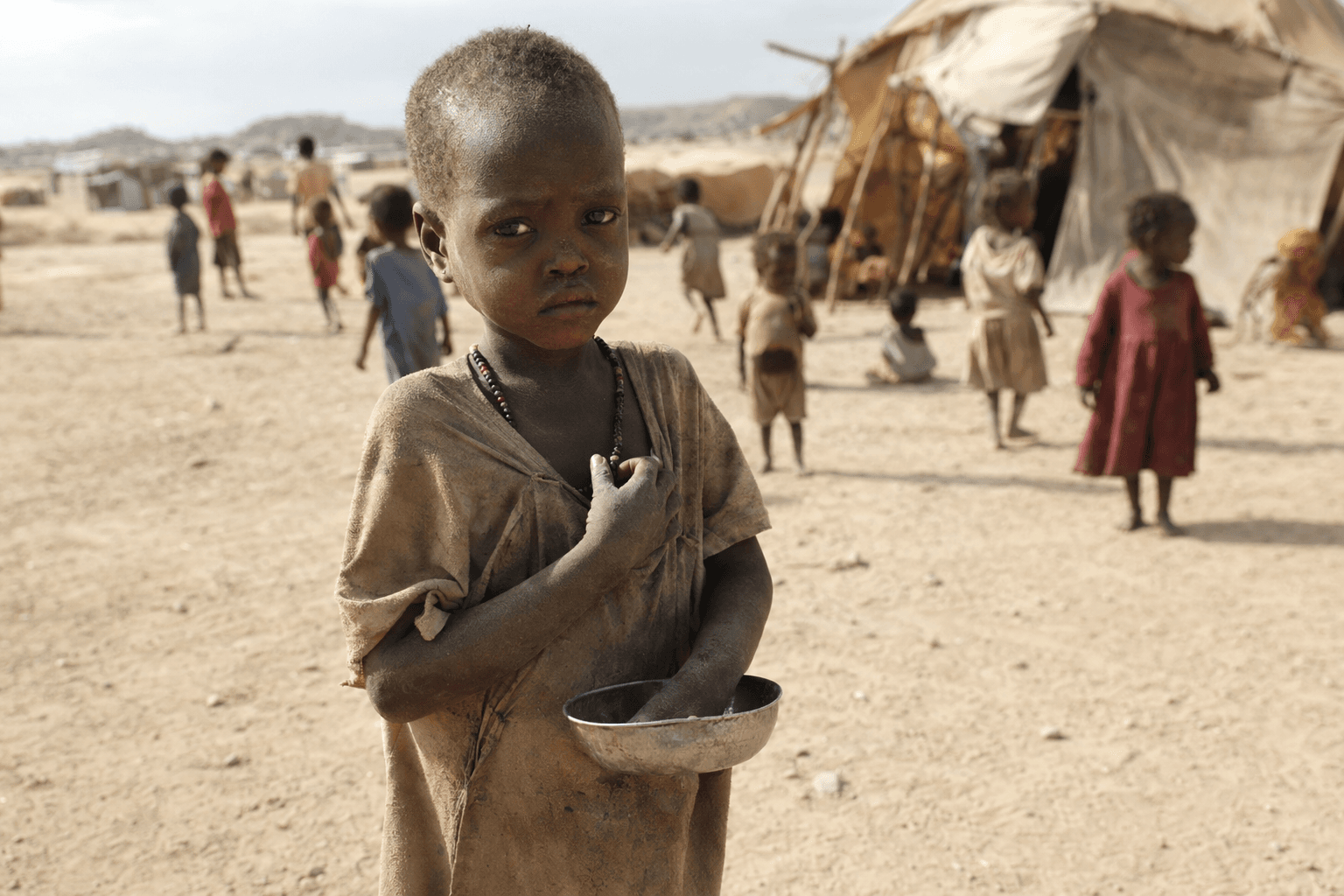
This time, the scale is larger and the response thinner. UNICEF said about 33.7 million people in Sudan, including 17.3 million children, need humanitarian assistance, and 9.5 million people were internally displaced as of Sept. 30, 2025. Across the country, the agency said, 4.2 million cases of acute malnutrition are expected in 2026 among children under 5 and pregnant and breastfeeding women, including more than 825,000 severe cases.
The emergency is especially sharp in North Darfur. UNICEF said 35 health facilities there have been attacked since 2023, including the main maternal hospital in Al Fasher. Routine immunization has been disrupted, health workers have fled, medicines are scarce, and outbreaks of measles and malaria are spreading. In Tawila, many families are receiving just eight to nine liters of water per person each day, below basic survival needs.
The hunger crisis has already crossed into famine conditions. The Integrated Food Security Phase Classification said El Fasher town in North Darfur and Kadugli in South Kordofan were in Famine, IPC Phase 5, as of September 2025. It also said famine thresholds were surpassed in Um Baru and Kernoi in North Darfur after mass displacement from El Fasher and continued fighting.
Children have borne the heaviest burden of the war’s violence. UNICEF said at least 160 children were reported killed and 85 injured across Sudan in the first three months of 2026, while in besieged Al Fasher at least 1,300 children have been killed or maimed since April 2024. The agency said the war has left children exposed to displacement, sexual violence, recruitment by armed groups and the collapse of basic services, with spillover displacement reaching eastern Chad.
UNICEF Executive Director Catherine Russell said the world cannot allow history to repeat itself, and the agency is pressing for sustained humanitarian access and an end to the war. Its Sudan appeal for this year is $962.9 million, but it is only 16% funded, leaving aid agencies to confront a widening catastrophe with too little money, too little access and too little international urgency.
This article was produced by Prism’s automated news system from verified source data, official records, and press releases, then run through automated quality and moderation checks before publishing. The system is built and supervised by the people who set the standards it runs under. Read our full AI policy.
Did this article answer your question?


