Trump warns Iran as Strait of Hormuz shutdown drives oil shock
Trump’s threat to Iran collided with an oil shock: Brent neared $115, gas hit $4.23 and tanker traffic in Hormuz remained jammed.
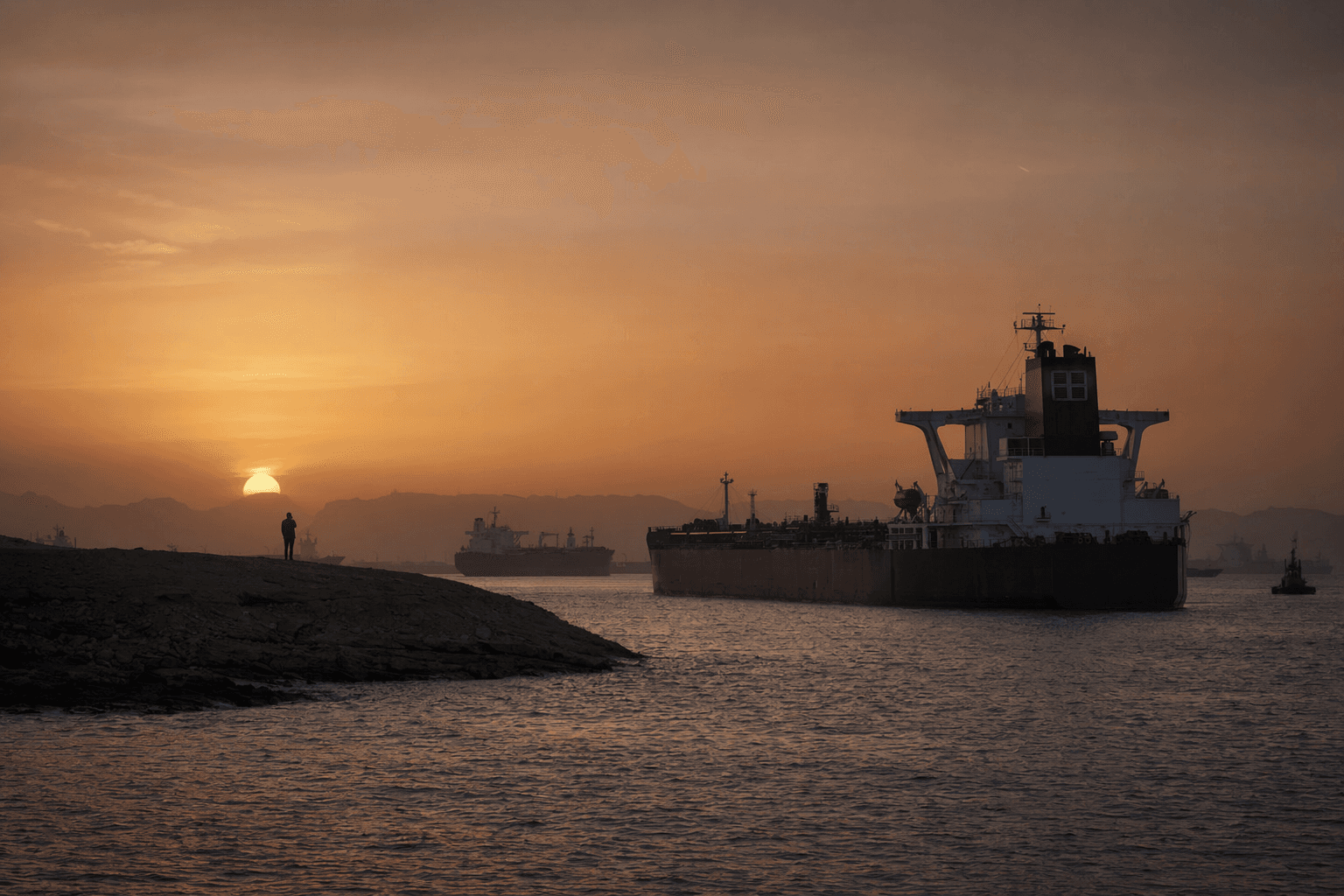
Trump’s warning to Iran landed against a market already in distress, with military options on the table and the Strait of Hormuz functioning as the fault line between coercive diplomacy and a wider regional clash. The choke point, which carries about 20 million barrels of oil a day, has been effectively blocked for two months, sending Brent crude to nearly $115 a barrel overnight and pushing U.S. gasoline to $4.23 a gallon, the highest level in nearly four years.
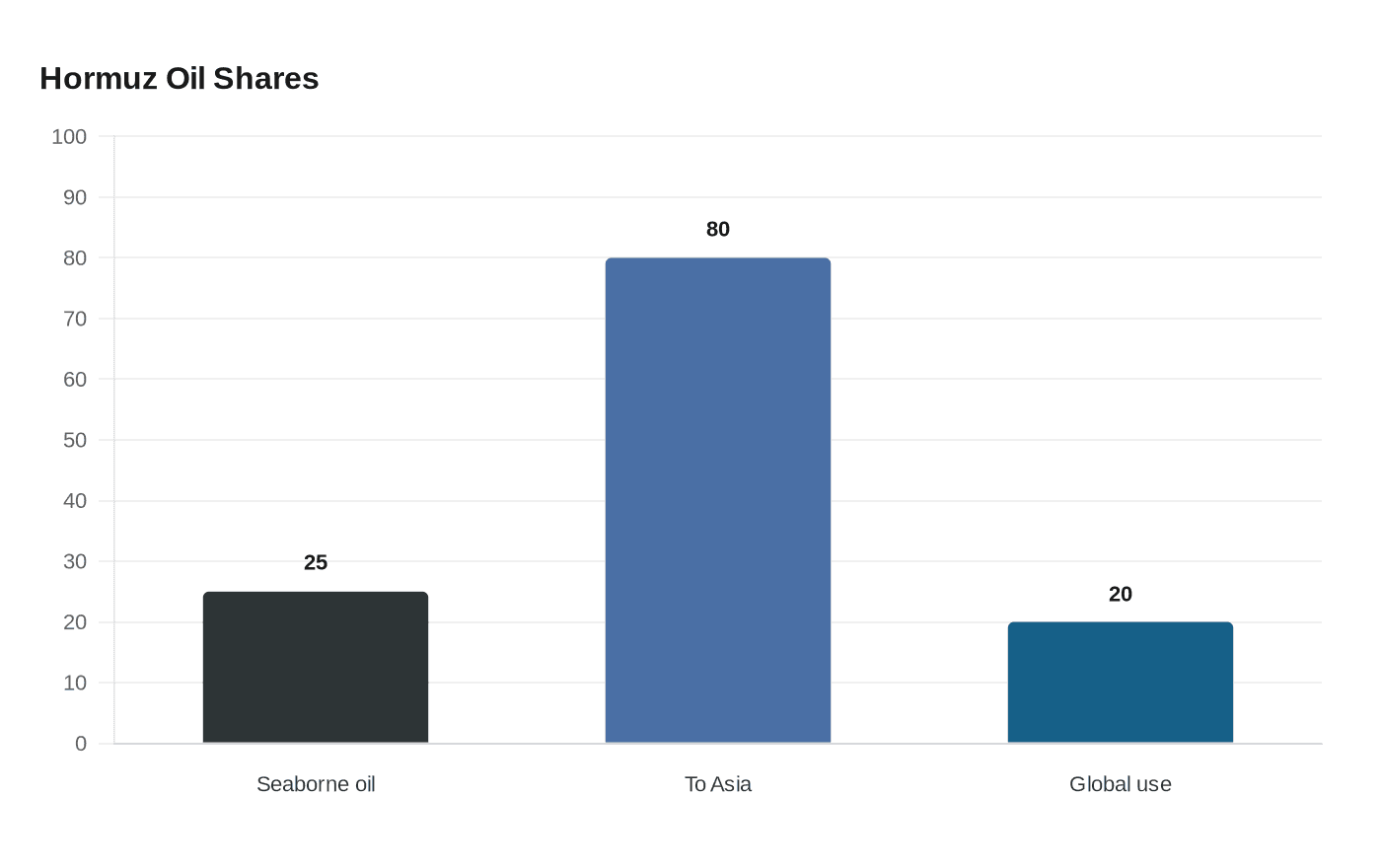
The stakes are obvious in the geography. The International Energy Agency says the strait is just 29 nautical miles wide at its narrowest point, with only 2-mile-wide channels for inbound and outbound shipping. About a quarter of the world’s seaborne oil trade passes through it, and roughly 80% of the oil that leaves the strait goes to Asia, much of it to China, India and Japan. The U.S. Energy Information Administration says the waterway averaged 20 million barrels a day in 2024, equal to about 20% of global petroleum liquids consumption.
Trump told Iran to “get smart soon,” while national security officials laid out multiple military options after negotiations failed to reopen the strait. That posture suggests pressure, but not just talk. The shipping disruption has already become a live confrontation, with the Center for Strategic and International Studies saying the strait was effectively closed since March 2 after U.S. and Israeli strikes on Iran, briefly reopened on April 17, then shut again a day later by the Islamic Revolutionary Guard Corps. The same analysis said the United States seized an Iranian-flagged cargo vessel on April 19 and that hundreds of tankers remain stranded in the Persian Gulf.
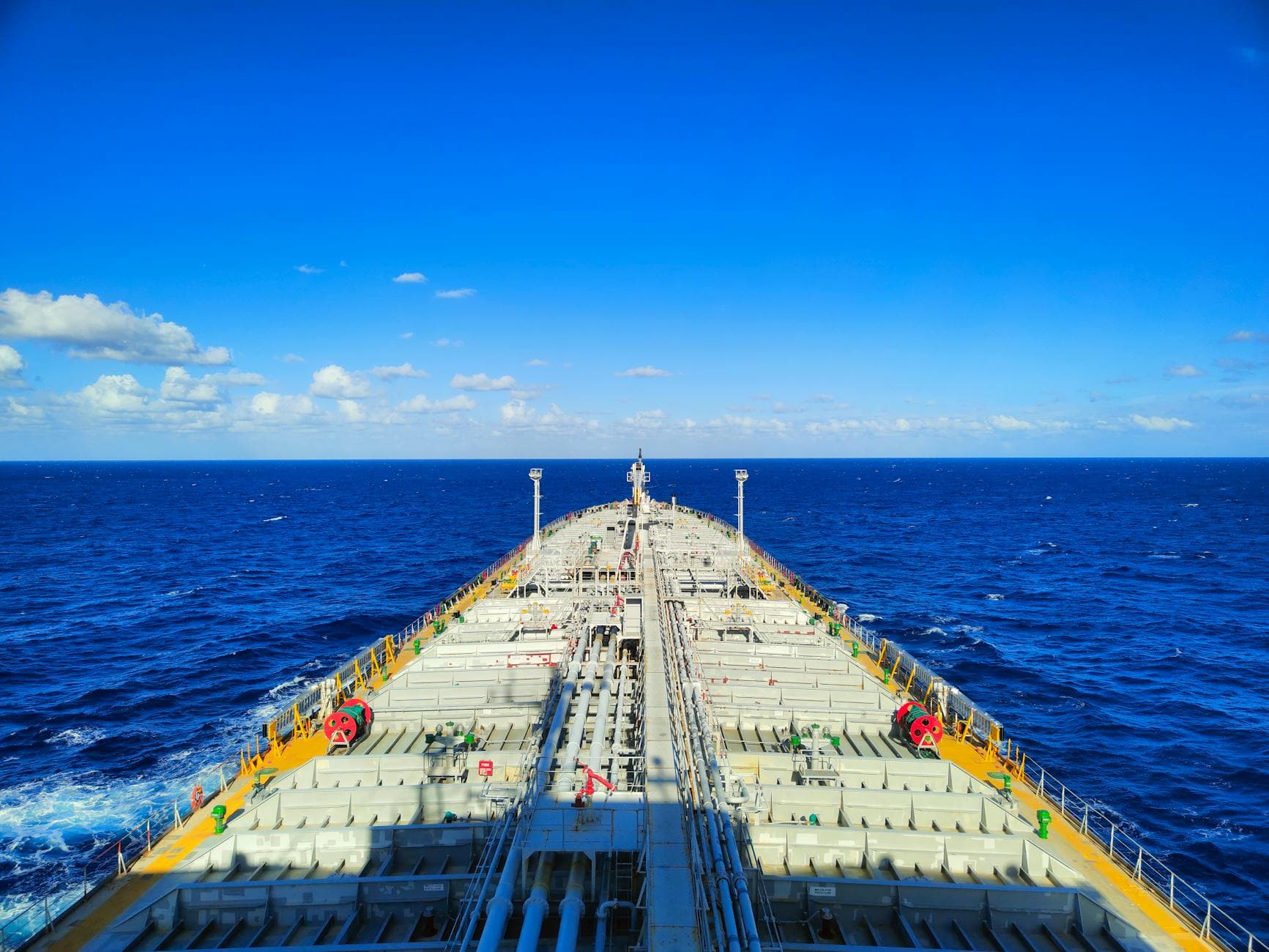
Tehran has answered with defiance. Ebrahim Azizi, the chairman of parliament’s National Security and Foreign Policy Committee and a former IRGC commander, said Iran would “never relinquish its control over the Strait of Hormuz,” calling it part of national sovereignty. At the same time, Reuters reported that Iran had floated a proposal through Pakistani mediators to reopen the strait and postpone nuclear talks, a sign that Tehran may still be probing for a deal even as it sharpens its rhetoric.
The danger is that the pressure spreads beyond Hormuz. CBS News reported renewed threats against the Bab el-Mandeb strait, where Iran could lean on its Houthi allies in Yemen to disrupt another vital shipping lane. CBS also reported that Iran had seized two commercial ships. Any prolonged shutdown would hit not just oil, but LNG exports from Qatar and the United Arab Emirates, which together account for almost 20% of global LNG exports.
The politics in Washington are now moving with the market. Lawmakers are pressing the question of whether Trump can sustain military action without congressional approval. For now, the message from both capitals is unmistakable: each side is trying to force the other to blink, but the shipping lanes, not the statements, are setting the pace of escalation.
This article was produced by Prism’s automated news system from verified source data, official records, and press releases, then run through automated quality and moderation checks before publishing. The system is built and supervised by the people who set the standards it runs under. Read our full AI policy.
Did this article answer your question?


