EU urges Southeast Asia to avoid Russian oil amid fuel shortages
Brussels warned Southeast Asia that cheaper Russian oil could weaken sanctions just as fuel shortages worsen. The message came in Brunei while the EU tightened pressure on Moscow.

Russian crude is emerging as a test of how far Europe’s sanctions diplomacy can reach when fuel shortages and price pressure pull in the opposite direction. In Brunei, EU foreign policy chief Kaja Kallas urged Southeast Asian governments not to turn to Moscow for more oil, arguing that Russian energy purchases help finance the war in Ukraine.
Kallas made the case after talks with foreign ministers at the 25th ASEAN-EU Ministerial Meeting in Bandar Seri Begawan on April 27-28. She said the European Union wanted countries to keep diversifying supplies rather than deepen dependence on Russia, using language that reflected both pressure and persuasion. In Reuters-based coverage, she said the bloc was advocating “diversifying resources and finding them elsewhere, not from Russia.”
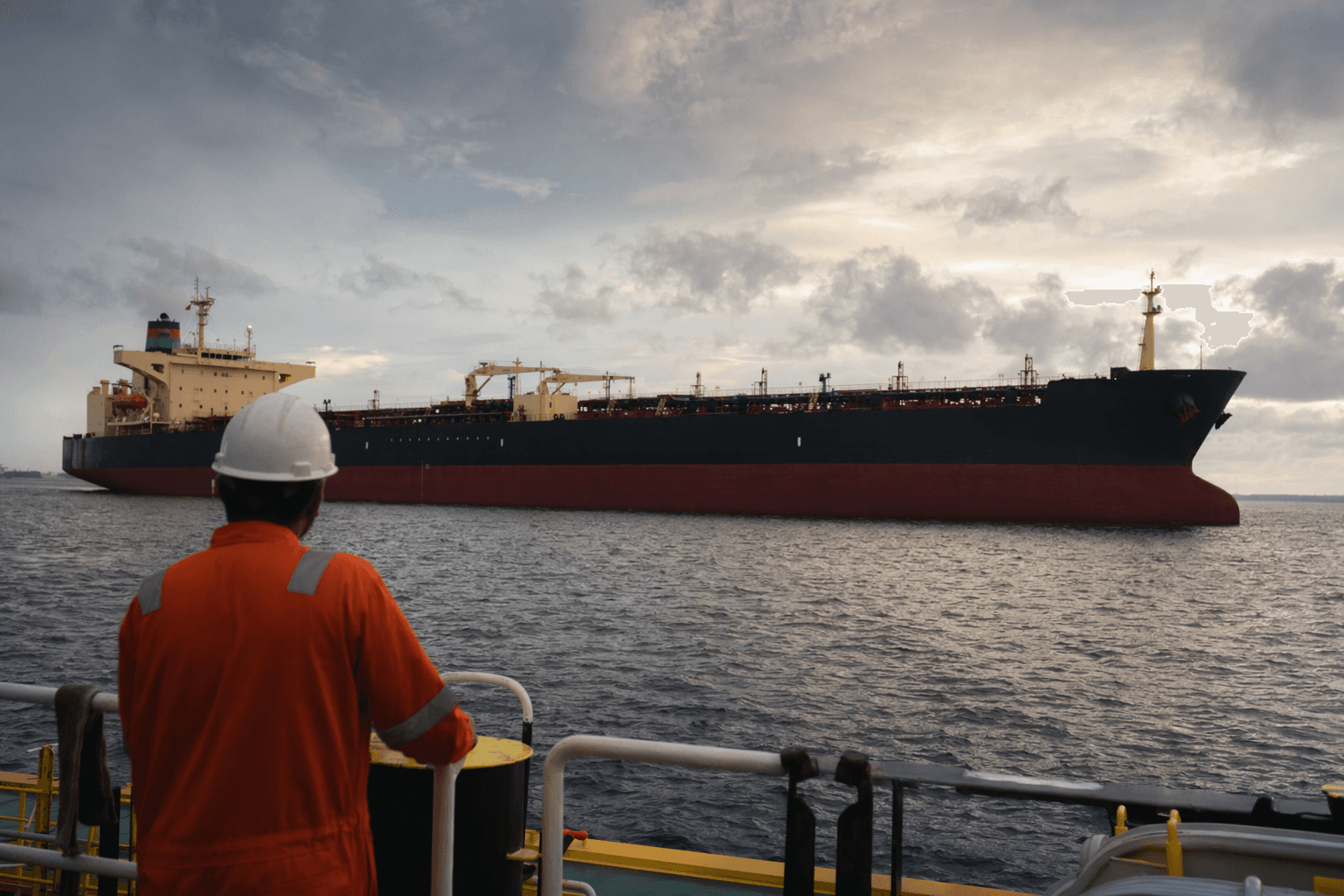
The timing mattered. The EU had just adopted its 20th sanctions package against Russia on April 23, sharpening restrictions on oil trade and widening measures aimed at Russia’s energy revenues, the shadow fleet, sanctions evasion, trade, financial services, crypto and the military-industrial complex. Brussels is trying to choke off the money stream that sustains the Kremlin’s war economy, but Kallas’s remarks showed that effort now extends beyond Europe’s borders and depends on whether Asian buyers resist cheaper barrels from Russia.
That pressure is landing in a region where energy security has become more fragile. Reuters-based reporting said Vietnam, Thailand, the Philippines and Indonesia have all been seeking more oil from Russia as they look for ways to cope with fuel shortages tied to the Middle East conflict. Kallas linked those shortages to strain on global energy flows after disruption around the Strait of Hormuz, one of the world’s most sensitive shipping routes.
The economic reality is blunt: when supply tightens, the cheapest available crude becomes harder to ignore. That is why Europe’s sanctions strategy now intersects with Asia’s refinery needs and national budgets. Kallas framed the choice as a political one, but it is also a price decision for governments facing public pressure over fuel costs.
For the European Union, the broader lesson is clear. Sanctions on Russia no longer rise or fall only in Brussels. Their reach now depends on whether Southeast Asian buyers judge the short-term relief of Russian oil worth the longer-term cost of helping sustain Russia’s war in Ukraine.
This article was produced by Prism’s automated news system from verified source data, official records, and press releases, then run through automated quality and moderation checks before publishing. The system is built and supervised by the people who set the standards it runs under. Read our full AI policy.
Did this article answer your question?


