First LNG tanker since Iran war reportedly crosses Strait of Hormuz
A UAE-managed LNG tanker may have become the first loaded gas carrier through Hormuz since the Iran war began, a possible sign the chokepoint is loosening.
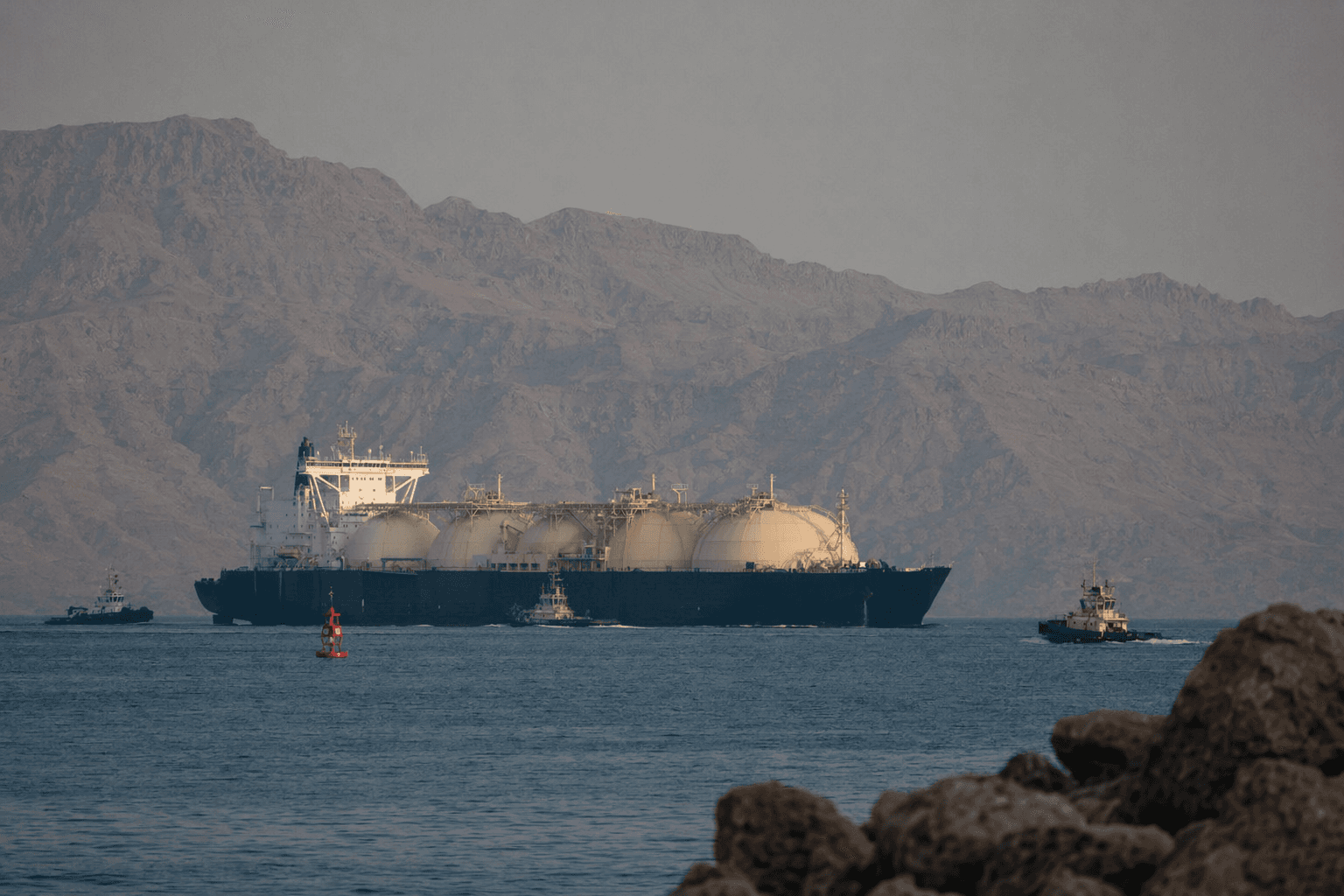
A loaded LNG tanker managed by Abu Dhabi’s Adnoc has apparently crossed the Strait of Hormuz, a move that would mark the first such transit since the Iran war began on February 28 and could signal a fragile reopening of the world’s most sensitive energy waterway.
The vessel, Mubaraz, carries 136,357 cubic meters and is managed by Adnoc Logistics & Services, a unit of Abu Dhabi National Oil Company. Ship-tracking data showed it last in the Gulf on March 30 before reappearing off the west coast of India on April 27, a route that suggests it made it out of the Persian Gulf after weeks of silence. If confirmed, the transit would carry significance far beyond one cargo: it would suggest that at least some LNG flows are again testing whether the wartime chokepoint can function without immediate interruption.
The signal, however, is not yet a guarantee. Alex Froley, an ICIS LNG analyst, said the apparent crossing was a hopeful sign for the gas market but only an early one, and warned that bad signal data, spoofing, or mistaken identity numbers can occur. The tanker’s indicated position did not show obvious signs of deception, but maritime trackers have repeatedly warned that vessels in the region have used evasive tactics, including turning off signals, broadcasting false destinations, or adopting another ship’s identity number.
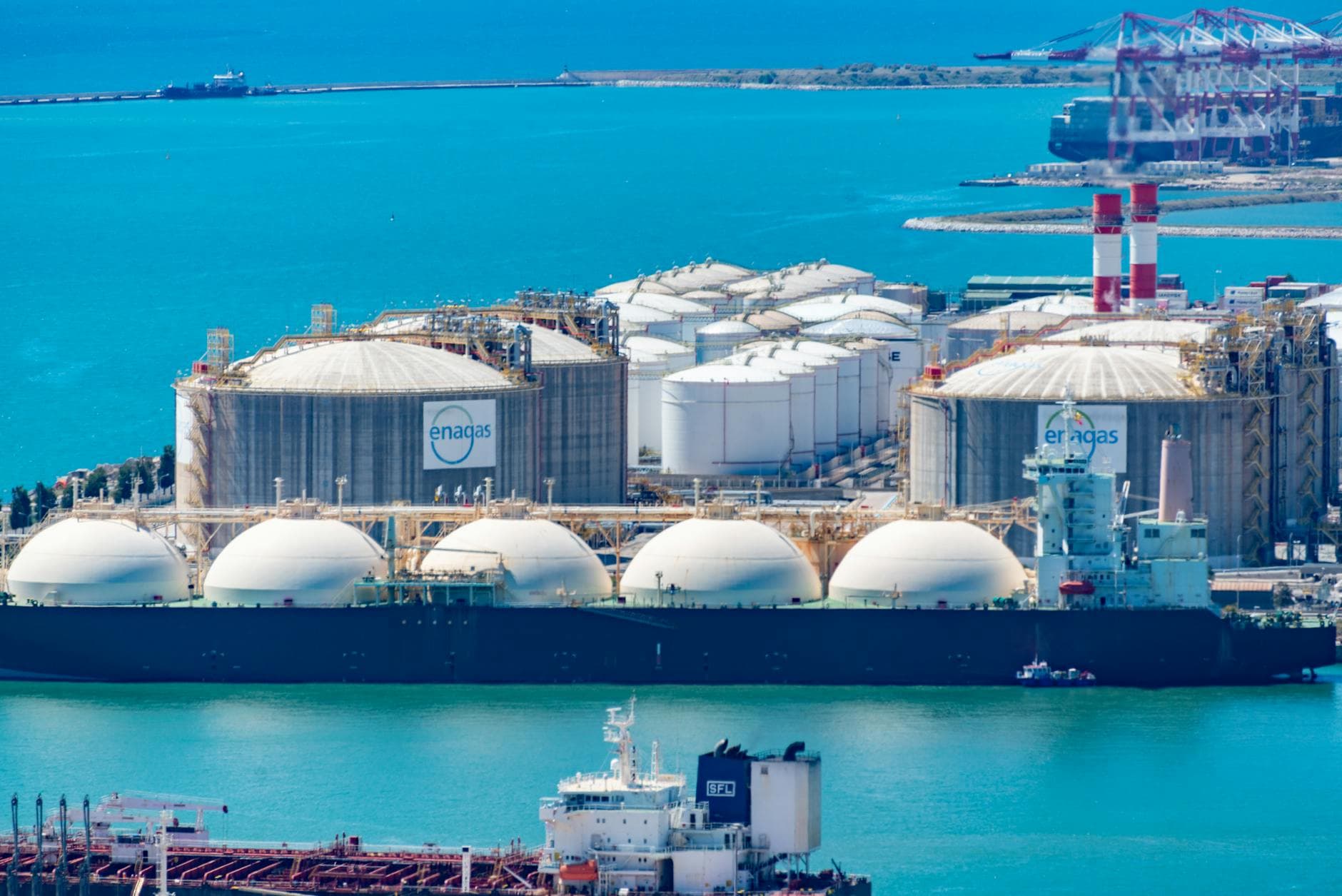
The stakes are high because Hormuz normally carries about one-fifth of the world’s oil and LNG in peacetime. The war has pushed traffic to a near-standstill, trapped hundreds of ships in the Gulf, and driven up oil prices and shipping costs. A few Qatari LNG tankers tried twice in April to cross without success. An empty Omani LNG tanker managed the passage earlier this month, but a loaded crossing would matter far more for buyers and insurers weighing whether the route is genuinely reopening or merely allowing isolated transits.
That uncertainty has defined the strait since Iran briefly declared it open on April 18, allowing at least eight oil and gas tankers through before restoring strict control. Maritime sources said at least two merchant vessels were hit by gunfire as they tried to cross after restrictions were reimposed. For energy markets, one successful LNG voyage would not end the risk, but it would sharpen expectations that cargoes from the Gulf can still reach Asia, and it could begin to test whether insurers are willing to price the route as a sustained corridor rather than a war zone with occasional exceptions.
This article was produced by Prism’s automated news system from verified source data, official records, and press releases, then run through automated quality and moderation checks before publishing. The system is built and supervised by the people who set the standards it runs under. Read our full AI policy.
Did this article answer your question?


