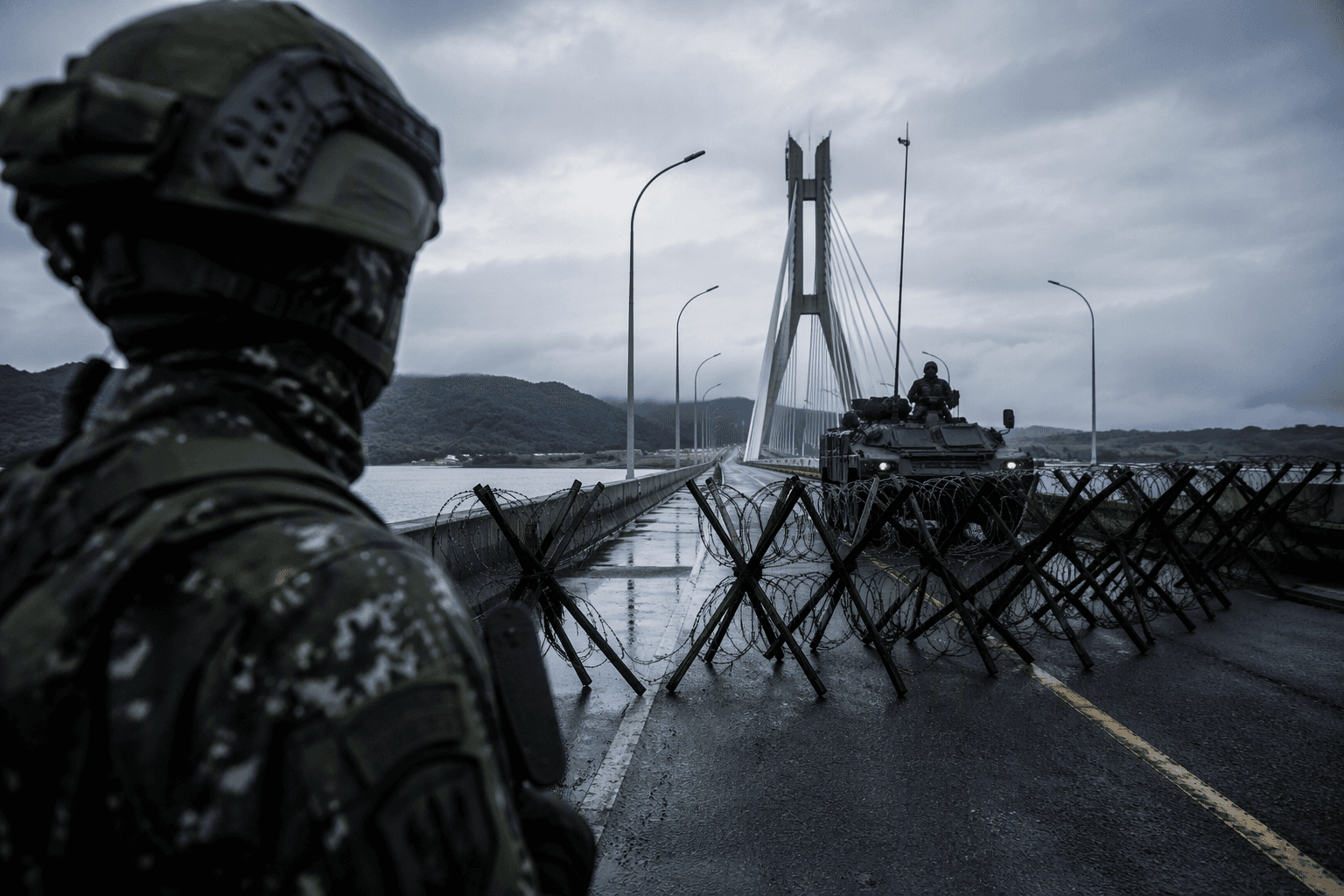
EU warns border security cannot rely on neighbors' goodwill
Magnus Brunner urged Brussels to use visa and trade leverage after tens of thousands crossed from Morocco into Ceuta, exposing Europe’s dependence on neighbors.
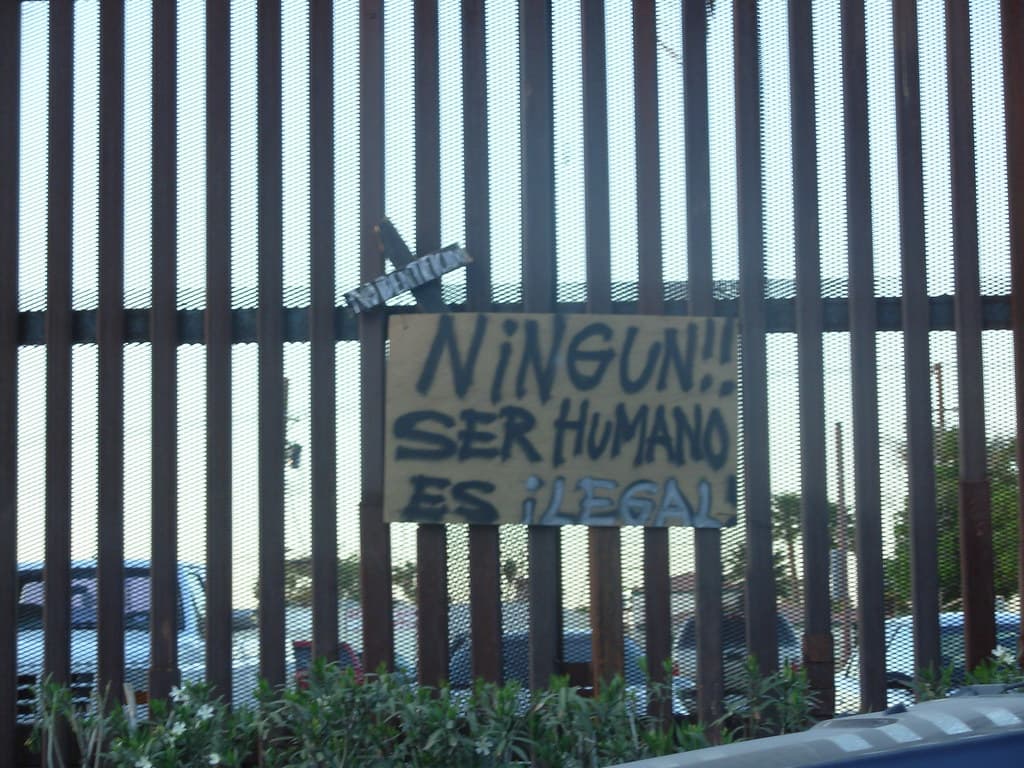
EU migration chief Magnus Brunner said Brussels could not depend on a neighbour’s goodwill to keep borders secure after a surge of tens of thousands of migrants from Morocco into the Spanish exclave of Ceuta. Brunner, the European commissioner for internal affairs and migration, said the bloc should use “all available leverage,” including visa and trade policy, to secure Morocco’s cooperation on migration.
The warning landed after emergency EU talks over the Ceuta crossings, which sent interior ministers scrambling to discuss a tougher response. The package under discussion included stronger external border controls, anti-smuggling measures, implementation of the Migration and Asylum Pact and possible adjustments affecting Schengen travel rules. Ministers also weighed EU-funded migrant centres as part of a broader push to reduce pressure at the bloc’s edges.
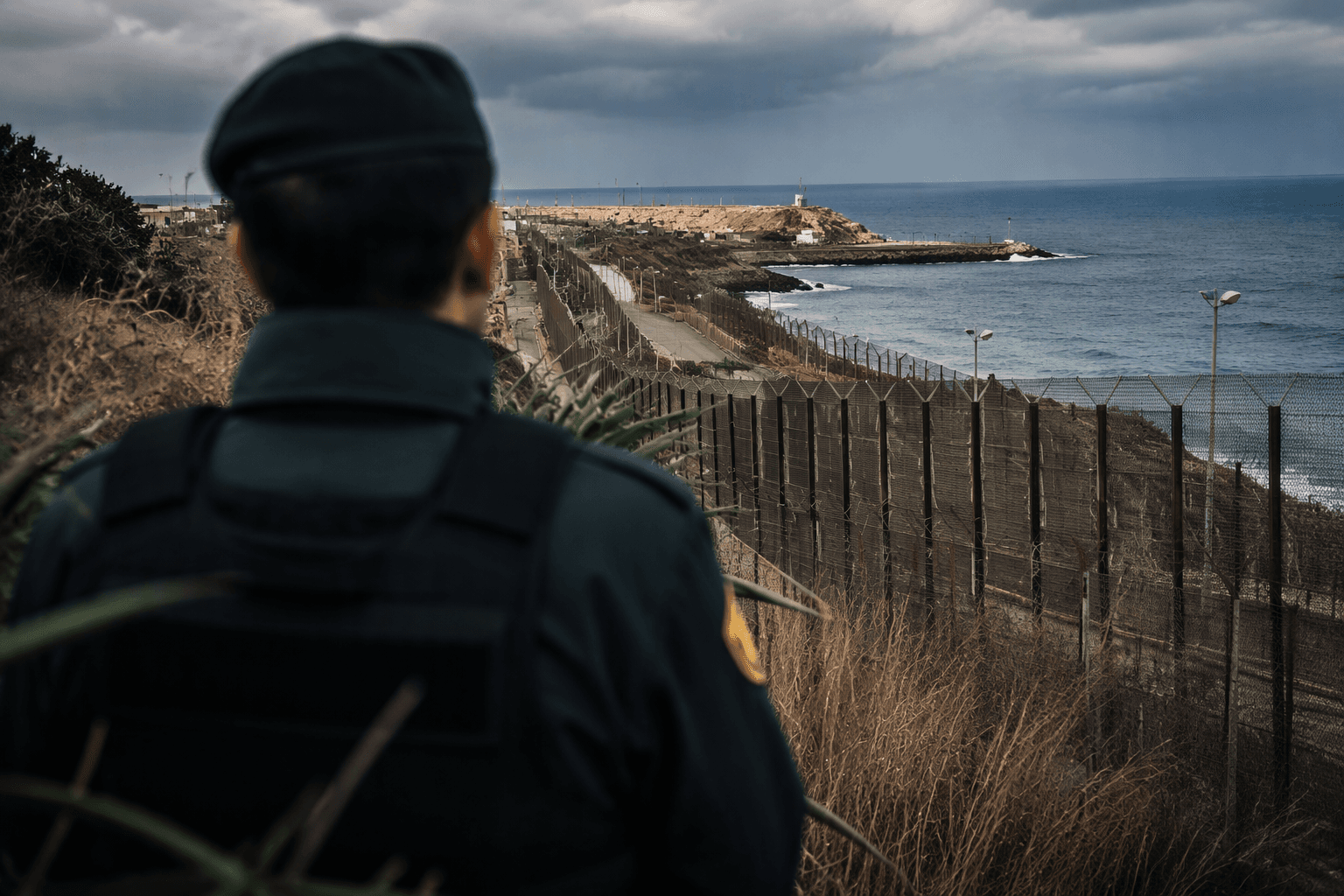
Ceuta, a Spanish enclave on the North African coast, has long exposed a structural weakness in the EU’s migration system: Brussels can set the rules, but it cannot fully control the routes that reach those rules. The latest crossings involved migrants from Morocco moving into Ceuta by sea and gathering near the border fence, a reminder that cooperation from neighbouring states can determine whether a border holds or buckles.
Brunner’s comments pointed to a wider policy dilemma that has shaped migration politics across Europe for years. The EU has tried to combine tighter border management with deals on returns, transit controls and readmission with countries outside the bloc. That arrangement works only when those governments choose to cooperate. When they do not, or when they use migration pressure to extract concessions, the system becomes vulnerable fast.
That vulnerability is why migration remains one of the most divisive issues inside the EU, cutting across elections, coalition talks and disputes between member states over who should shoulder the heaviest burden. Countries on the front line, including Spain, have pressed for more support as Brussels looks for ways to reinforce the external perimeter without relying solely on temporary agreements. The Ceuta crisis has sharpened that debate, with Morocco’s cooperation now central to any immediate de-escalation.
This article was produced by Prism’s automated news system from verified source data, official records, and press releases, then run through automated quality and moderation checks before publishing. The system is built and supervised by the people who set the standards it runs under. Read our full AI policy.
Did this article answer your question?