Saudi Arabia, Turkey and Pakistan sign trilateral defense pact in Mecca
Saudi Arabia, Turkey and Pakistan signed a defense pact in Mecca, saying an armed attack on one would be treated as an attack on all.
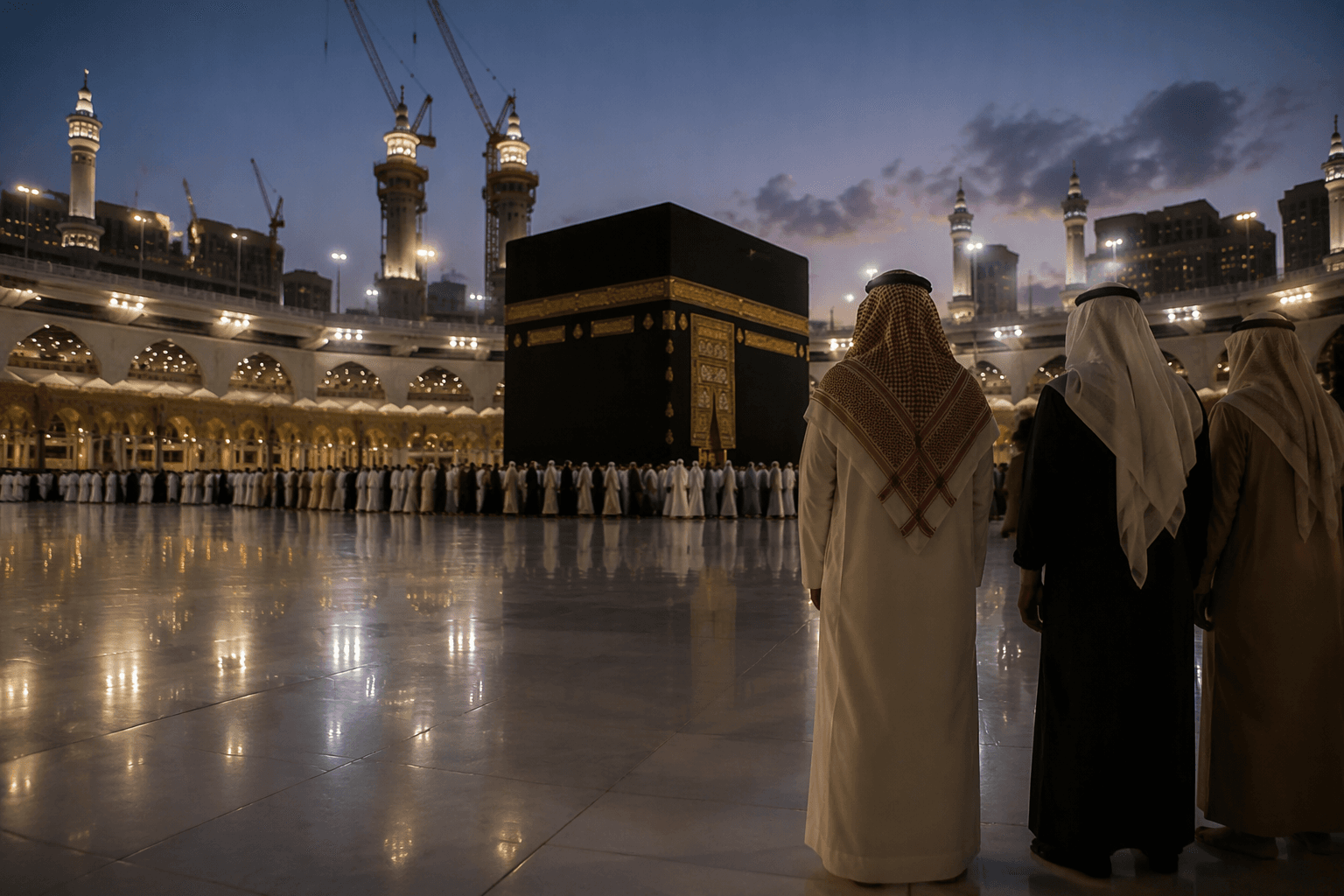
Saudi Arabia, Turkey and Pakistan signed a trilateral defense agreement in Mecca on Friday, with Crown Prince Mohammed bin Salman, President Recep Tayyip Erdogan and Prime Minister Shehbaz Sharif gathered for a summit that gave the deal clear political weight. The pact was framed as a collective-defense arrangement, and one core clause said that any armed attack against any one of the three states “shall be regarded as an attack against them all.”
The timing reflects a region under severe strain. The agreement landed as Middle East tensions remained high, with the war between Israel and Iran and broader regional instability pushing Gulf states to reassess how they secure themselves. The pact is designed to strengthen collective deterrence against any act of aggression, and it does more than signal solidarity. Defense agreements of this kind can open channels for intelligence sharing, joint training, logistics planning, military procurement and strategic consultation.
Each capital stands to gain in a different way. Saudi Arabia broadens its security options at a moment when regional alliances are being tested, giving Riyadh another layer of deterrence and a way to diversify beyond any single outside patron. Turkey gains a new arena to project influence, with the pact offering another platform for its defense industry and its regional diplomacy. Pakistan, which has long played a role in Gulf security, deepens ties with wealthy partners that can matter both politically and economically, while also expanding avenues for military coordination and intelligence cooperation.
The alignment also has implications well beyond the three signatories. In Washington, the pact is likely to be read as another sign that Middle Eastern powers want more flexible security relationships rather than reliance on one external guarantor. Turkey’s role gives the deal a NATO angle as well, since any deeper security coordination involving Ankara inevitably intersects with alliance politics and with questions about how far a NATO member can build parallel regional structures.
India, Iran and rival Gulf capitals will be watching closely. For India, closer Saudi-Turkish-Pakistani coordination could sharpen concerns about Pakistan’s strategic position and any spillover into broader security ties. Iran will be assessing whether the agreement is mainly symbolic or the start of a more organized deterrent bloc. Gulf rivals will be looking for signs that the pact evolves into shared planning, procurement and intelligence work rather than a one-off declaration made under the spotlight of Mecca.
This article was produced by Prism’s automated news system from verified source data, official records, and press releases, then run through automated quality and moderation checks before publishing. The system is built and supervised by the people who set the standards it runs under. Read our full AI policy.
Did this article answer your question?