EU weighs law to force companies to diversify China supplies
Brussels is weighing a law that could force sensitive-sector firms to use at least three suppliers, a move aimed at China that could ripple through U.S. supply chains.
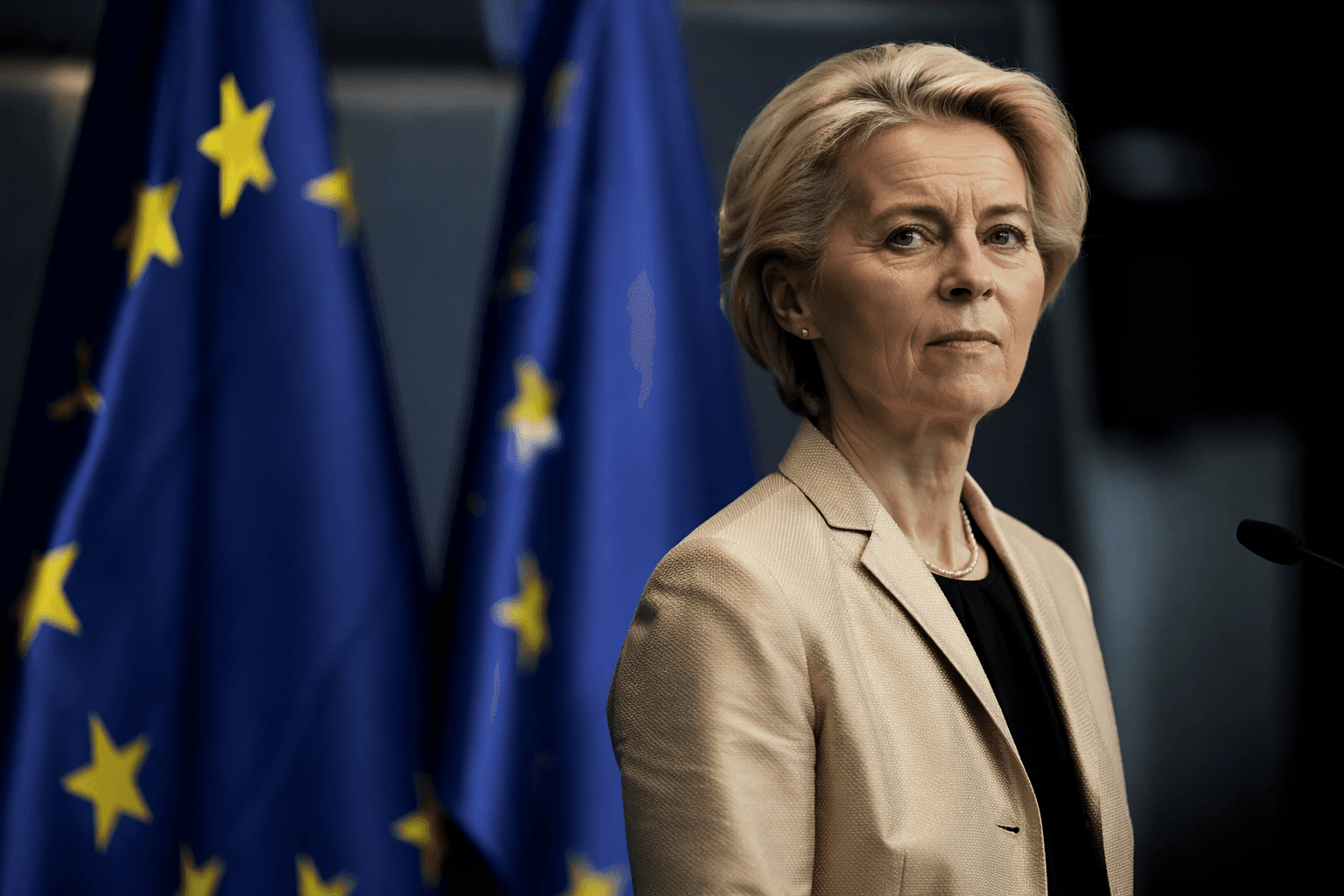
Europe is moving toward a security-first sourcing model that could reshape prices and supply chains far beyond Brussels, including for American manufacturers that depend on the same minerals, chips and industrial inputs. The European Commission is considering a new law that would require companies in sensitive sectors to diversify key supplies to at least three sources, a push aimed squarely at reducing dependence on China and lowering the risk of sudden disruptions.
Maroš Šefčovič, the EU trade commissioner, said on June 5 that “diversification requires a dedicated instrument” and tied the idea to a broader review of EU trade defenses due by the third quarter of 2026. Ursula von der Leyen has argued that the slower pace of voluntary de-risking may not be enough, especially as Beijing tightens its grip on critical mineral processing and rare earth exports. The proposal would sit alongside the European Critical Raw Materials Act, which is designed to secure key materials and reduce reliance on single-country suppliers.
The pressure has sharpened after China introduced two waves of export controls on rare-earth elements in April and October 2025, according to the European Parliament’s research service. The second wave is suspended until November 2026, but the episode reinforced Brussels’ view that Europe remains vulnerable to shocks in strategic sectors. If the Commission turns that concern into binding rules, companies that source through China-linked channels could face new compliance costs, new contracts and, in some cases, higher prices for the inputs that keep factories running.
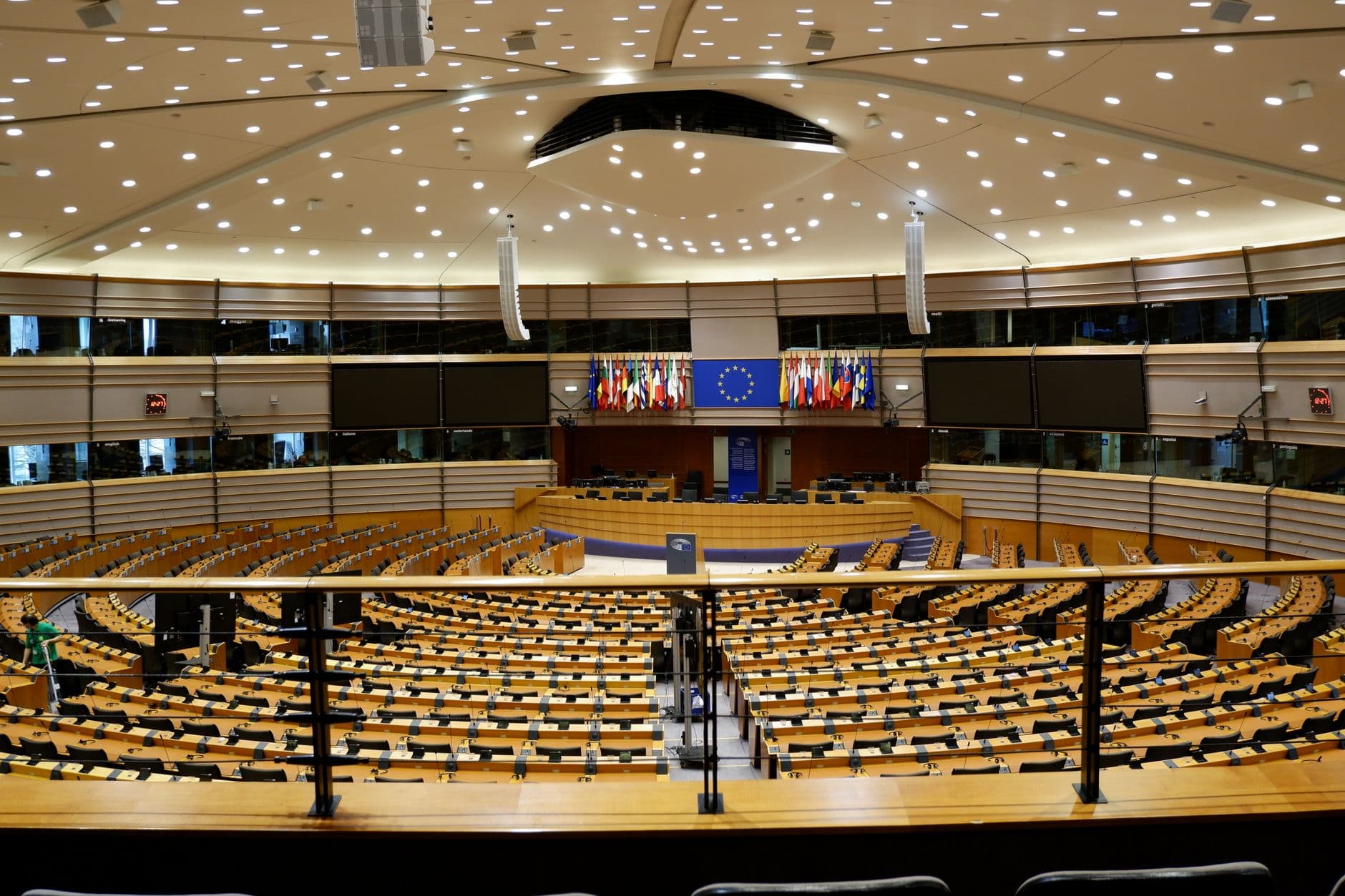
The issue dominated an EU leaders’ summit in Brussels on June 18-19, where the European Council said the conversation centered on fair global economic competition. China was not named in the summit conclusions, but officials made clear it was the main focus. The EU’s trade deficit with China reached €359.8 billion in 2025, after exports of €199.6 billion and imports of €559.4 billion. That gap was larger than in 2024 and still below the record €397.3 billion set in 2022. European Council President Antonio Costa called the roughly €1 billion-a-day deficit unsustainable.
Belgian Prime Minister Bart De Wever urged the bloc to be ready for collective retaliation if third countries respond to tougher rules, warning against fragmented deals struck by individual capitals. Chinese Commerce Minister Wang Wentao is expected in Brussels at the end of June for talks with Šefčovič, a sign that the EU still wants engagement even as it hardens its stance. For American firms, the bigger message is clear: Europe’s drive to diversify away from China is no longer a slogan, but a policy shift that could redraw global supply chains, tighten competition for scarce materials and raise the cost of doing business across the West.
This article was produced by Prism’s automated news system from verified source data, official records, and press releases, then run through automated quality and moderation checks before publishing. The system is built and supervised by the people who set the standards it runs under. Read our full AI policy.
Did this article answer your question?