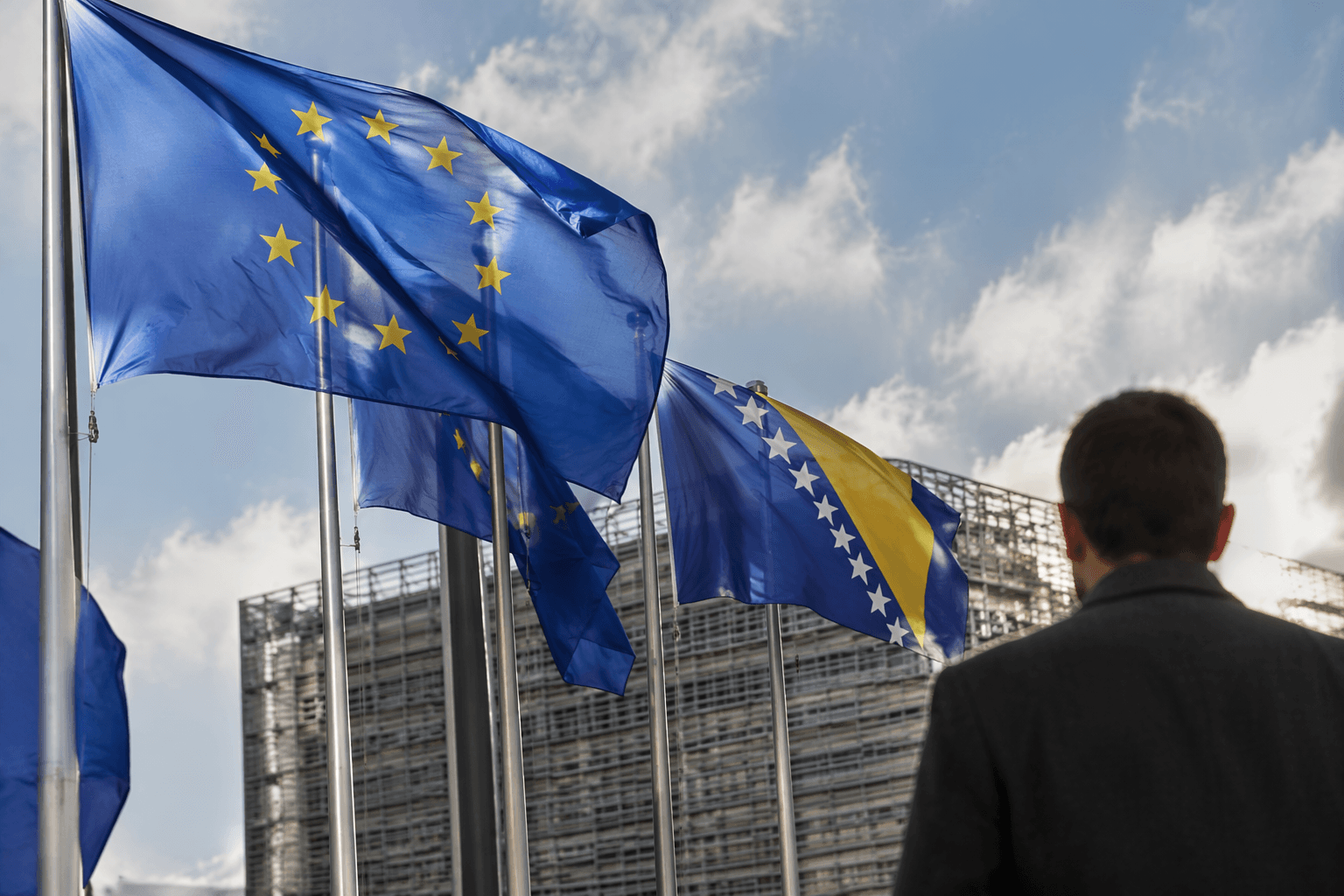
EU weighs rules to cut companies' dependence on single suppliers
Brussels is weighing a three-supplier rule for sensitive industries as China’s rare-earth controls expose Europe’s supply-chain risk.

Brussels is considering a new rule that would force companies in sensitive sectors to stop relying on a single supplier and diversify critical sourcing to at least three sources, a move aimed squarely at reducing dependence on China. The proposal would mark a sharper turn in EU industrial policy, shifting the focus from low-cost sourcing to supply-chain security after years of shocks from war, pandemics and trade tensions.
European Trade Commissioner Maros Sefcovic set out the thinking at the European Policy Centre’s Brussels Economic Security Forum on June 5, saying diversification now needs a dedicated instrument. He argued that high-risk sectors must be weaned off single-supplier dependence and suggested that three different sources of critical supplies would help shield companies from routine disruptions as well as government measures such as export restrictions.

The debate is being driven by industries tied to strategic inputs, especially chips and rare earths. A European Parliament research note says China introduced two waves of export controls on rare-earth elements in April and October 2025, with the second wave suspended until November 2026. Those materials are indispensable for the EU’s digital, green and defense industries, making them a pressure point in any future trade dispute.
The Commission is also preparing a broader review of its trade defenses in the third quarter, alongside plans to speed up anti-dumping and anti-subsidy cases and add new tools to address industrial overcapacity. EU trade-defense instruments already include anti-dumping and anti-subsidy duties, which are designed to protect European production against trade distortions. In 2024, the Commission recorded 33 new trade-defense investigations, showing that Brussels is already using these tools more aggressively even before any diversification rule takes effect.
For companies, the practical cost could be significant. Sourcing from three suppliers instead of one can mean higher procurement costs, more compliance checks, more contract management and less leverage in negotiations with vendors. It may also force sensitive manufacturers to build redundancy into supply chains that were designed for efficiency, not resilience. But EU officials see the trade-off as worth it if it reduces the risk of sudden shortages and weakens the ability of supplier countries to use market access as geopolitical leverage.
Sefcovic’s model is partly the EU’s effort to cut reliance on Russian energy after Russia’s 2022 invasion of Ukraine. The parallel is deliberate: in Brussels, supply-chain dependence is increasingly treated not as a commercial inconvenience but as a strategic vulnerability, and the new discussion suggests the bloc is preparing to intervene earlier and more forcefully when concentration in one country becomes an economic or security threat.
This article was produced by Prism’s automated news system from verified source data, official records, and press releases, then run through automated quality and moderation checks before publishing. The system is built and supervised by the people who set the standards it runs under. Read our full AI policy.
Did this article answer your question?