Euclid captures Milky Way’s center in record visible-light mosaic
Euclid’s new mosaic of the Milky Way’s center packed more than 60 million stars into one visible-light image, sharpening a key test bed for exoplanets and dark matter studies.
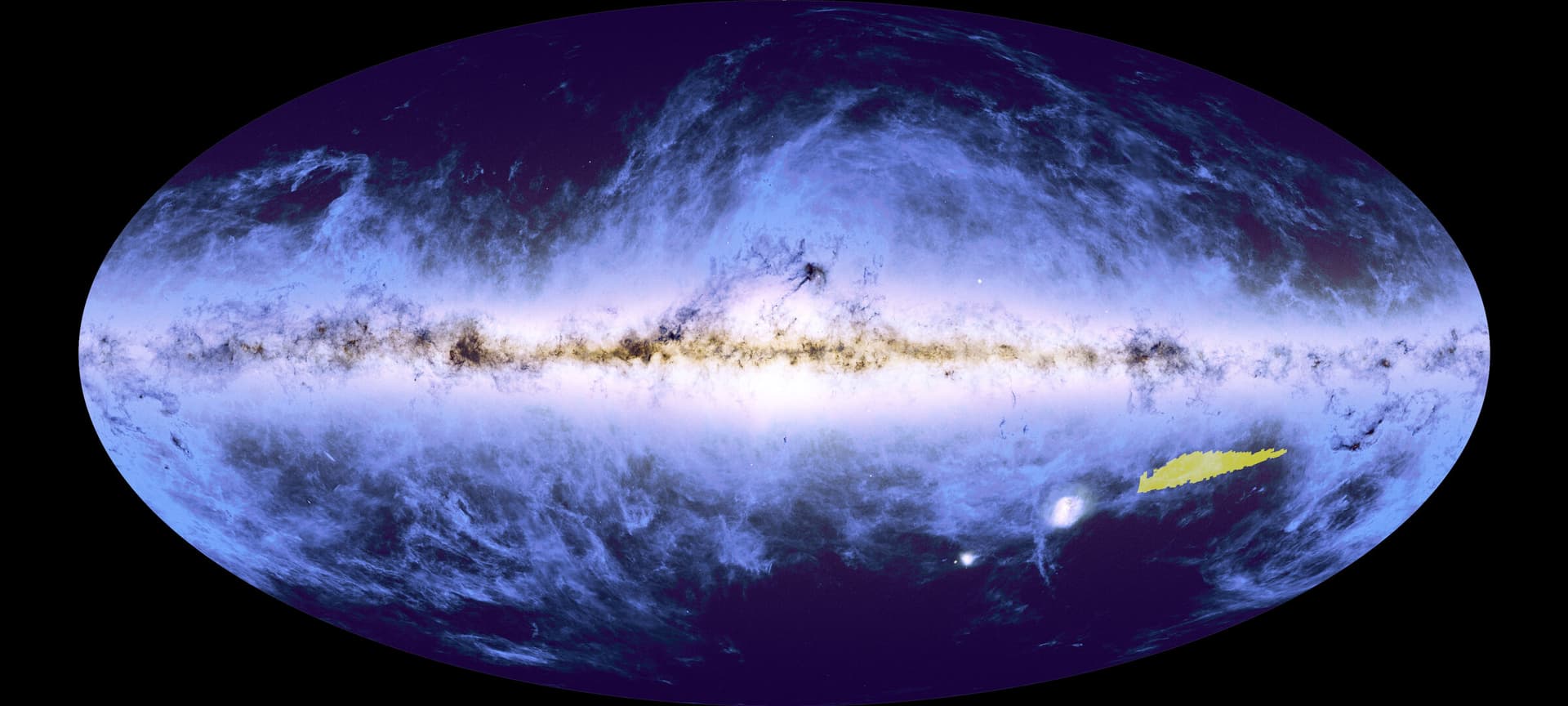
Euclid has delivered the largest and most detailed visible-light image ever made of the Milky Way’s center: a 26-hour mosaic that packed more than 60 million stars into nine pointings. The European Space Agency released the image on 24 June 2026.
The galactic bulge is one of the best places to search for planets through microlensing, the brief brightening that happens when a foreground object bends and magnifies the light of a background star. Euclid’s visible-light camera can separate individual stars in that packed region without being blinded, helping scientists identify host stars and measure the masses of planets around them from tiny changes in starlight over time.
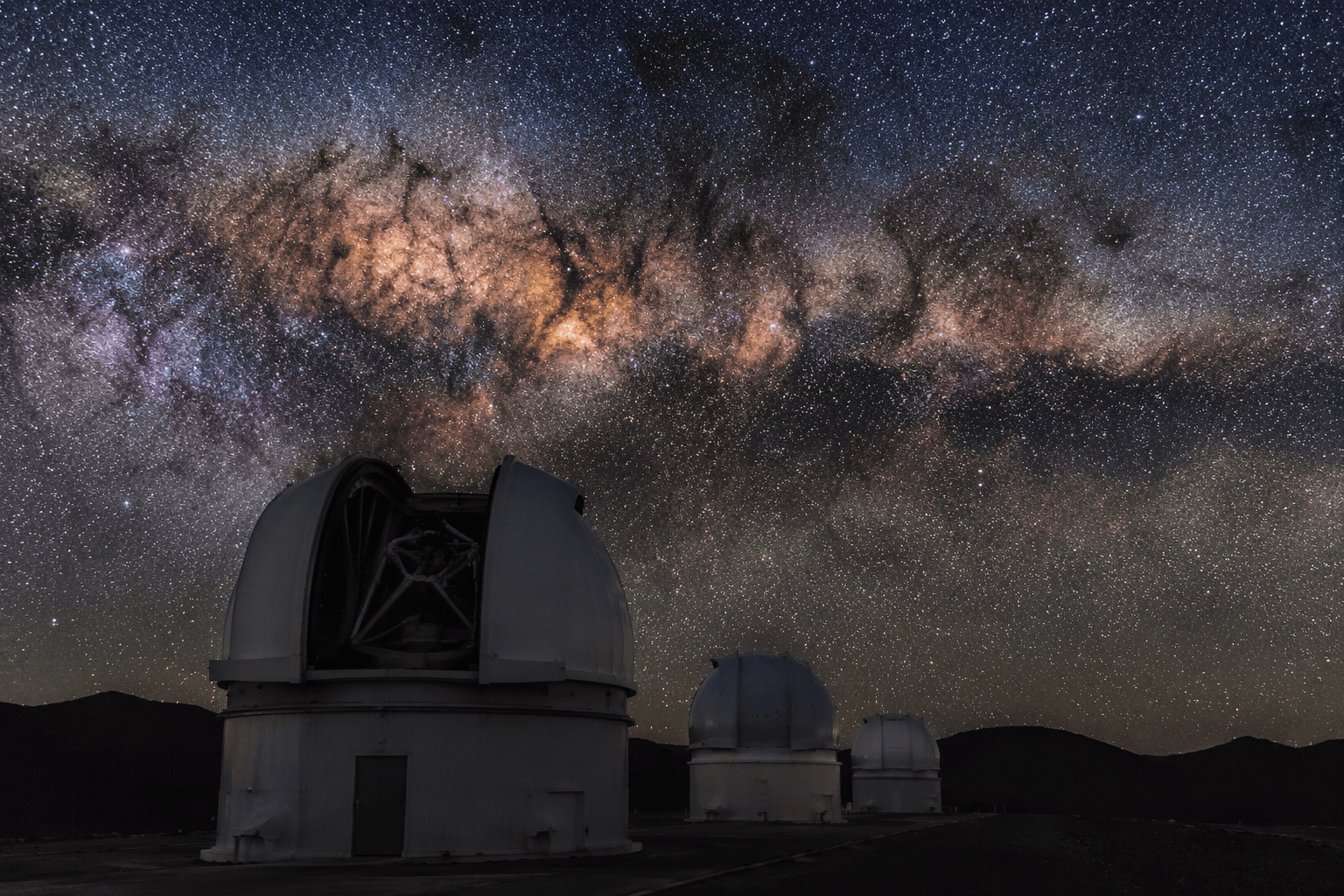
The spacecraft was built to map the large-scale structure of the universe by observing billions of galaxies out to about 10 billion light-years, with the goal of helping pin down the nature of dark matter and dark energy. Ground-based microlensing studies have already produced nearly 300 exoplanet discoveries over the last 20 years.
Euclid captured the bulge image on 23 March 2025, after years of preparation, simulations and technical studies to prove the telescope could observe such a crowded field without compromising its main survey. Researchers at the University of Manchester played a key role in securing approval for the Galactic Bulge Survey, and Dr. Eamonn Kerins called the observation the culmination of that preparation. The mosaic includes 51 known planetary systems.
Launched on 1 July 2023 from Cape Canaveral, Florida, aboard a SpaceX Falcon 9, Euclid now operates at the Sun-Earth Lagrange point 2, about 1.5 million km from Earth. The Euclid Consortium, which runs the mission jointly with ESA, includes about 2,500 scientists and engineers across more than 15 countries.
This article was produced by Prism’s automated news system from verified source data, official records, and press releases, then run through automated quality and moderation checks before publishing. The system is built and supervised by the people who set the standards it runs under. Read our full AI policy.
Know something we missed? Have a correction or additional information?
Submit a Tip