Tesla, Sunrun and Renew Home tap homes to power AI demand
Tesla, Sunrun and Renew Home are recruiting household batteries and thermostats to meet AI-era power demand, while homeowners weigh rewards against control and privacy.
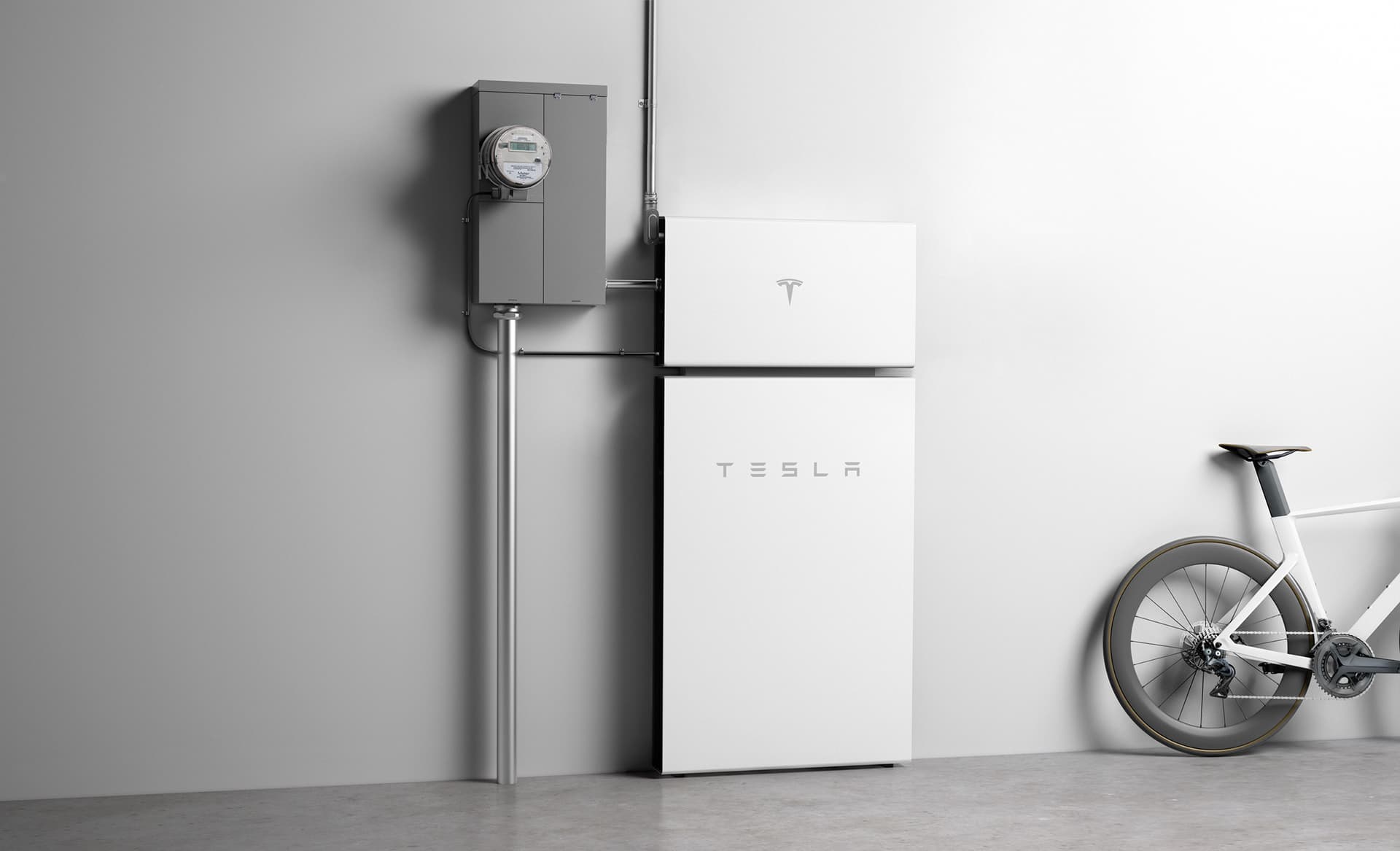
On Jan. 13, 2026, the U.S. Energy Information Administration expected electricity use to rise 1% in 2026 and 3% in 2027, with data centers driving much of the increase. The forecast would be the first four-year streak of electricity-demand growth since 2007 and the strongest four-year growth since 2000. Tesla, Sunrun and Renew Home are pushing household solar panels, batteries, thermostats and other smart devices into the center of the AI power race, betting that millions of homes can behave like a dispatchable grid resource when demand spikes. The consumer bargain is direct: homeowners give utilities and technology companies limited control over when devices charge, cool or discharge, and get rewards, backup power and a role in propping up the system in return.
The Department of Energy estimated in its 2025 update that the country may need 80 gigawatts to 160 gigawatts of VPP capacity by 2030, or roughly 10% to 20% of peak load.
Renew Home is building around that need. The company manages more than 5 million households and about 3 gigawatts of load, including more than 1.5 million thermostats enrolled in its Rush Hour Rewards demand-response program. It plans to begin installing Nest and Vivint thermostats in Texas homes next spring, with a long-term target equal to the peak demand of 200,000 average homes. Renew Home will expand Rush Hour Rewards and work with more than 100 energy providers.
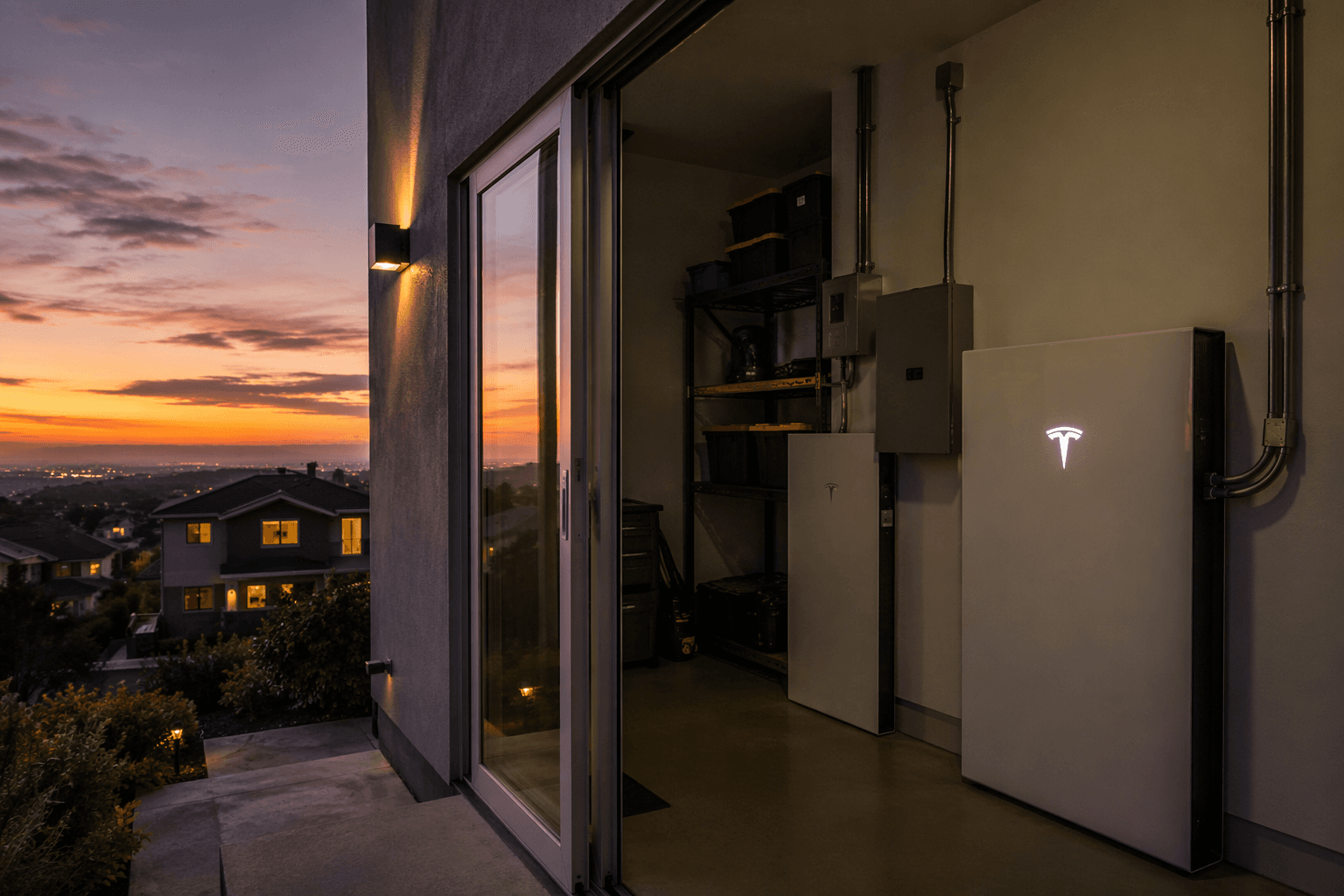
Sunrun is leaning on its own home network. On Feb. 3, 2026, customer participation in Sunrun's distributed power plant programs quintupled in 2025. Sunrun has installed systems in more than 1 million homes and has linked about 75,000 home batteries from more than 56,000 customers in California’s CalReady virtual power plant. In July 2025 in California, more than 100,000 home batteries delivered 535 megawatts to the grid for two hours during the evening peak.
Tesla and Sunrun already extended the idea to Texas. On July 24, 2025, the companies launched a home energy plan designed to maximize solar production, battery backup power and grid participation through Tesla Electric and Sunrun Flex.
This article was produced by Prism’s automated news system from verified source data, official records, and press releases, then run through automated quality and moderation checks before publishing. The system is built and supervised by the people who set the standards it runs under. Read our full AI policy.
Know something we missed? Have a correction or additional information?
Submit a Tip