Eugene volunteers plant native trees along Willamette on MLK Day
Volunteers gathered to plant native trees along the Willamette River, supporting habitat and riverbank resilience and demonstrating community stewardship.
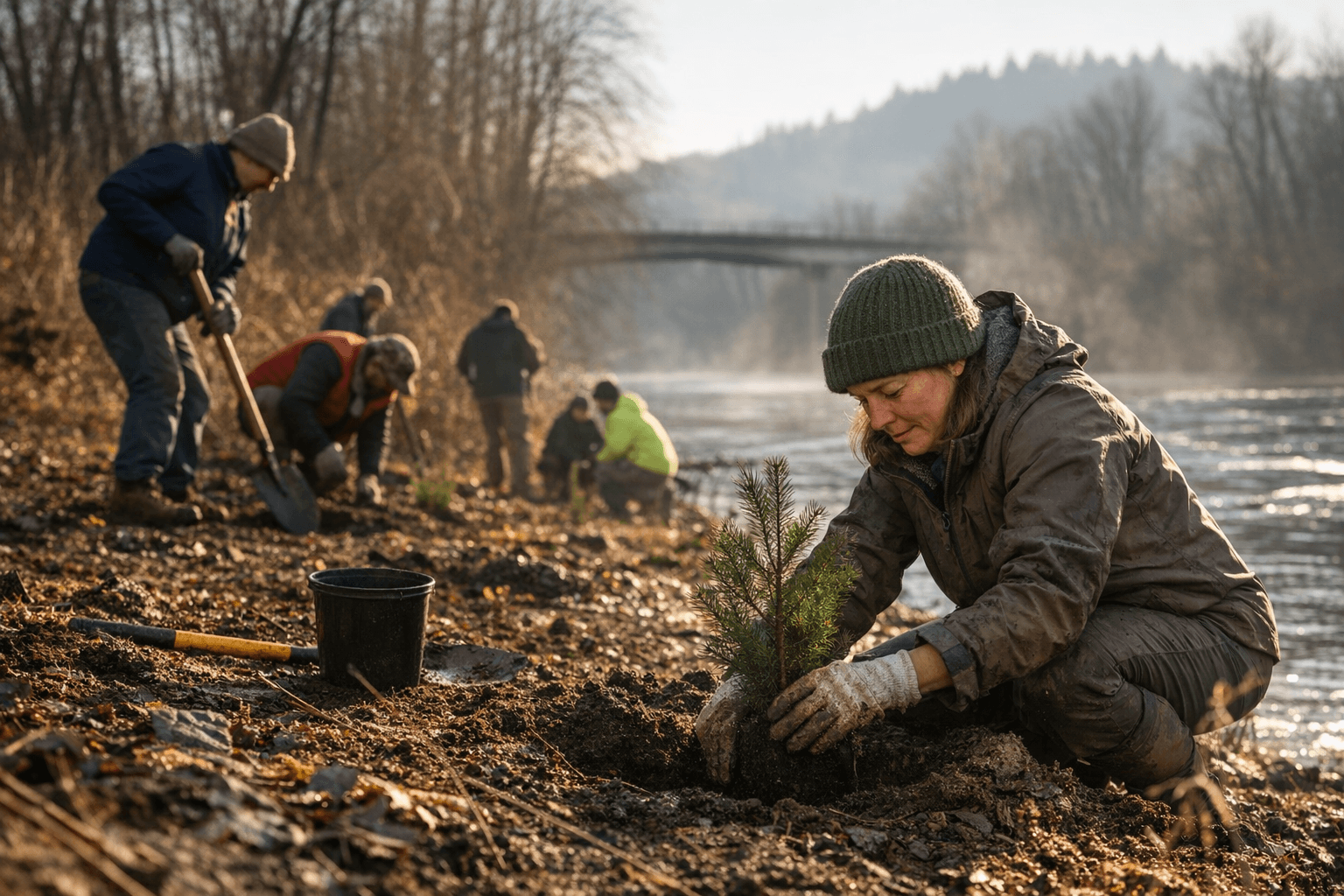
City of Eugene Parks & Open Space led its annual Martin Luther King Jr. Day tree-planting event along the Willamette River, assembling volunteers at the Maury Jacobs parking lot off Fir Lane from 9 a.m. to noon. The event drew a community turnout in line with organizers' expectations of roughly 80 to 100 volunteers who worked to establish a stand of native trees aimed at improving riverbank stability and local habitat.
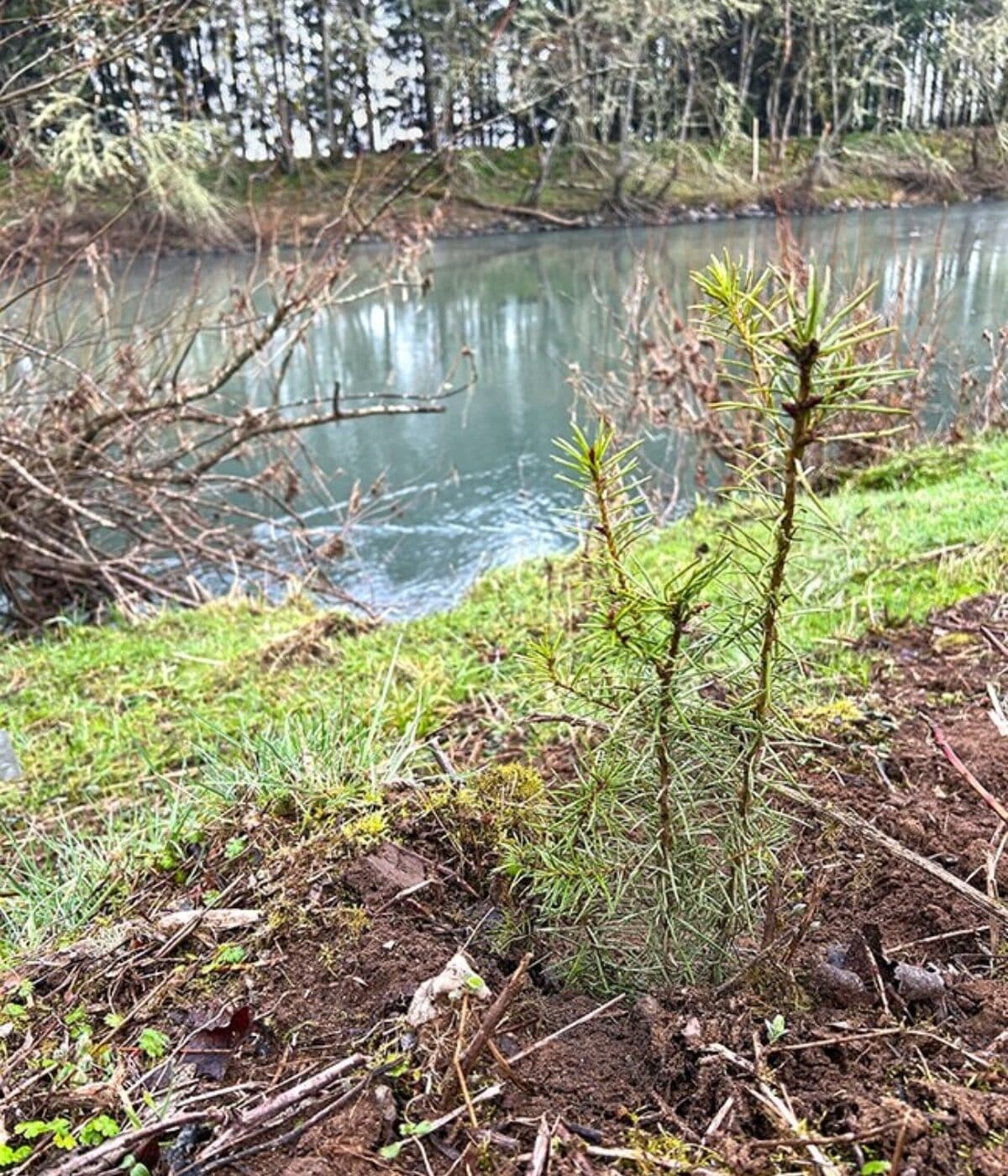
Volunteers planted Bigleaf maple, white alder, madrone, white oak and cascara in targeted areas along the river corridor. The species mix reflects a focus on native canopy restoration and erosion control along the riparian zone, which city planners and watershed managers cite as critical for water quality, shade for fish habitat and long-term bank resilience. No prior planting experience was required; participants were asked to RSVP on the City of Eugene website and to bring gloves and water. City Parks staff provided tools, instruction and logistics onsite.
The event highlights two overlapping dynamics in local environmental management: municipal stewardship of public green space and civic engagement in hands-on restoration. Parks & Open Space coordinates such volunteer-driven workdays as part of its seasonal maintenance and habitat programs, relying on short-term public labor to supplement staff efforts. For residents, that model delivers tangible opportunities to shape neighborhood environments while also raising questions about capacity for long-term care, follow-up maintenance, and how volunteer activity interfaces with formal budget decisions.
Planting days like this also function as a civic touchpoint. They create a pathway from individual action to broader policy: volunteers who participate gain direct experience with restoration priorities and may be more likely to engage in land-use deliberations, testify at city council or weigh in during budget cycles that affect parks staffing and river restoration funding. That civic loop is relevant for Lane County voters who will see future policy decisions about funding for habitat restoration, invasive species management and riverfront access.
For residents interested in similar opportunities, the city continues to post volunteer events and RSVP information on its Parks & Open Space pages. Continued community participation will determine how quickly newly planted trees are monitored, weeded and replaced as needed. Today’s work planted new roots in the riverbank and in Eugene’s civic life; maintaining those gains will require sustained coordination between volunteers, Parks staff and the policy choices that govern local green infrastructure.
Sources:
Know something we missed? Have a correction or additional information?
Submit a Tip