Euro zone inflation cools in June, easing pressure on ECB
Euro-area inflation cooled to 2.8% in June, below forecasts, as Germany and France saw sharp drops and ECB policymakers gained room to wait.
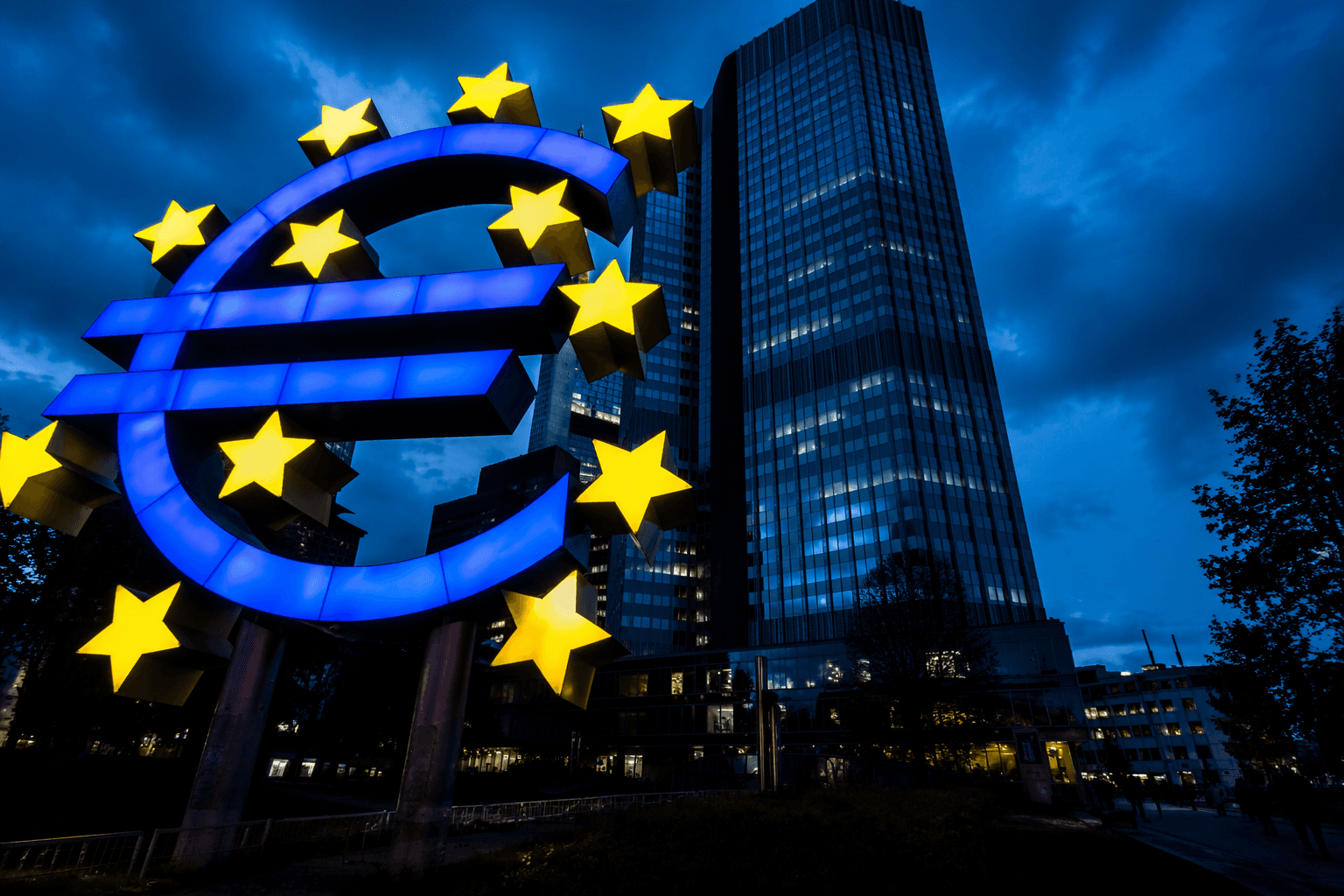
Euro area annual inflation eased to 2.8% in June from 3.2% in May, a softer reading that came in below economists’ 3.0% expectation and gave the European Central Bank more room to wait before deciding on another move. The flash estimate from Eurostat showed prices cooling across much of the bloc’s biggest economies, easing immediate pressure on rate-setters in Frankfurt am Main after months of stubborn inflation.
Germany’s inflation rate fell to 2.4% from 2.7%, France’s dropped to 2.0% from 2.8% and Italy’s eased to 3.1% from 3.2%. Spain was the exception among the big four, with inflation unchanged at 3.6%, still above forecasts. The uneven picture matters for the ECB because it shows headline pressure fading without disappearing everywhere at once, especially in countries where services prices remain firm.
That persistence is central to the policy debate. Services account for about 46.7% of the euro-area HICP basket in 2026, making them the largest single component of consumer inflation, and their strength can keep overall price growth elevated even when energy costs fall. ECB wage-tracker data published in mid-June showed negotiated wage growth for 2026 running around 2.6%, down from about 3% a year earlier, suggesting some domestic cost pressure is easing but not vanishing.
The ECB had already lifted its three key interest rates by 25 basis points on June 11 and raised its staff projections to 3.0% inflation in 2026 and 2.3% in 2027. Christine Lagarde and her colleagues said they remained committed to keeping inflation at their 2% target in the medium term, a pledge that leaves the Governing Council balancing the case for patience against the risk that another energy shock could reignite price growth.
That risk has not gone away. Energy-price spikes tied to the Middle East conflict were already a major concern around the ECB’s June decision, and policymakers have been watching whether recent declines in energy prices hold. Jack Allen-Reynolds of Capital Economics said upside risks to inflation had declined markedly and that there was no pressing need for the ECB to raise rates further, while warning that energy prices could rise again and expectations remained elevated.
For households, the June figures point to partial relief rather than a clean break. Lower headline inflation should ease pressure on real incomes, but services inflation, wage growth and the possibility of renewed energy volatility mean consumers are still seeing a softer pace of price increases more than a clear return to stability. The June reading strengthens the case for the ECB to pause longer, but it does not yet settle whether the next move will be to wait, cut or keep the door open to one more hike later in the year.
This article was produced by Prism’s automated news system from verified source data, official records, and press releases, then run through automated quality and moderation checks before publishing. The system is built and supervised by the people who set the standards it runs under. Read our full AI policy.
Did this article answer your question?

