Europe launches International Claims Commission, aims to quantify Ukraine war losses
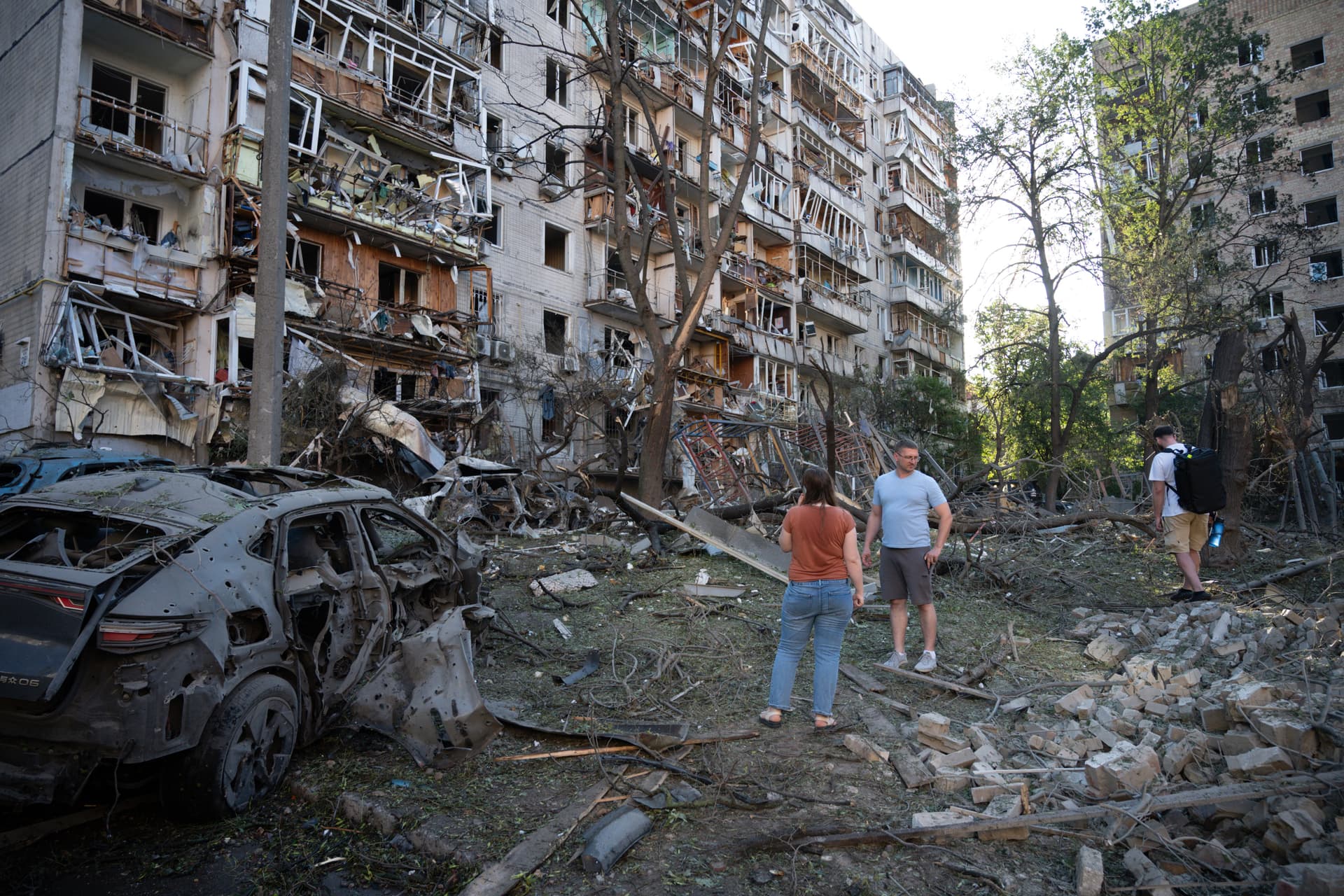
European leaders and Ukrainian President Volodymyr Zelenskyy met in The Hague to inaugurate an International Claims Commission designed to assess and decide reparations claims from the Ukraine war. The move creates a legal pathway to quantify hundreds of billions of dollars in damages, while raising urgent questions about how awards would be financed and enforced.
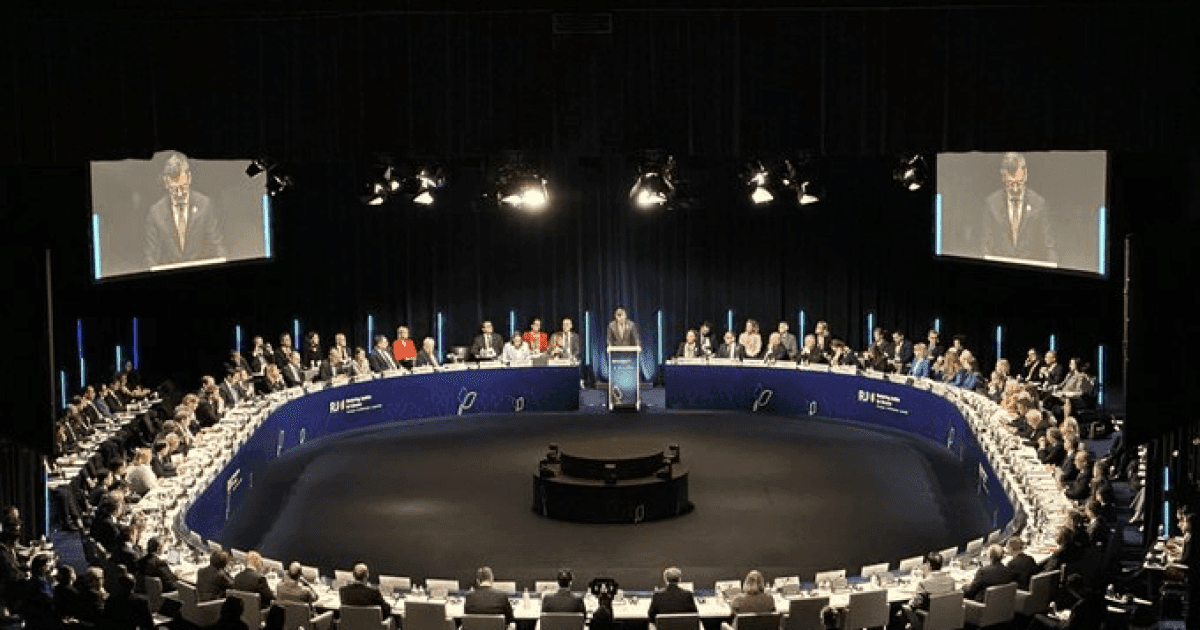
European leaders gathered in The Hague on December 16 to establish an International Claims Commission under the auspices of the Council of Europe, taking the next formal step in a two stage effort to document and adjudicate losses from Russia’s full scale invasion of Ukraine. The convention was signed by 35 countries and the European Union, an authoritative count published by the Council of Europe, and Ukrainian President Volodymyr Zelenskyy signed the text at the meeting.
The commission is the second component of a mechanism that began in 2023 with the Register of Damage for Ukraine, created by the Council of Europe to collect evidence and claims. That registry has attracted broad participation. Officials say the European Union and 44 states have joined the Register of Damage and roughly 86,000 claims have been recorded, many submitted by civilians through Ukraine’s Diia e governance application. The register’s scale has underpinned the legal case the commission will now assess.
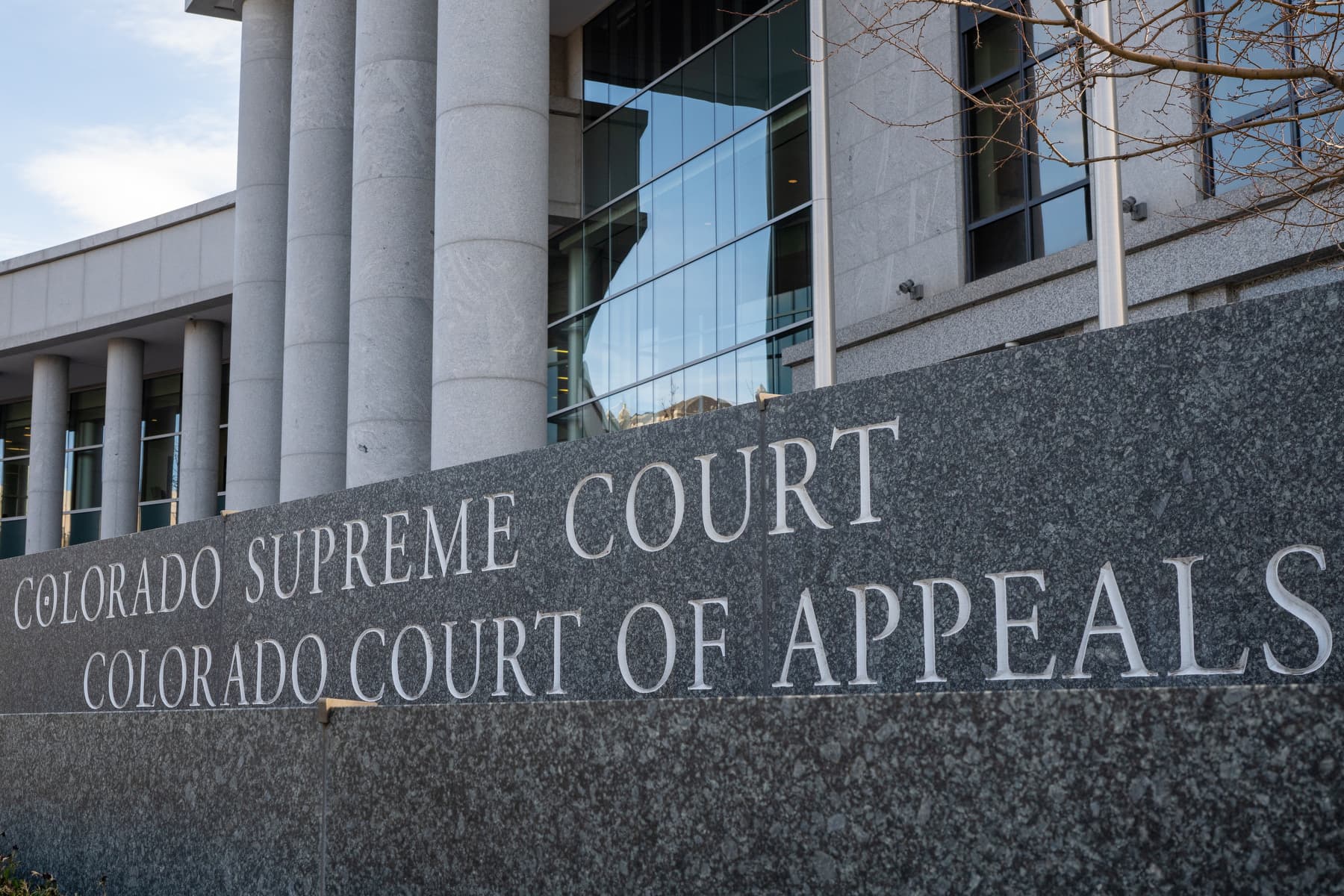
Operating as an independent body within the Council of Europe framework, the commission will review, assess and decide claims drawn from the register on a case by case basis. Its mandate covers losses and harms that the convention characterizes as resulting from internationally wrongful acts in violation of the UN Charter, international humanitarian law and human rights law. The commission will determine compensation amounts rather than attempt a single global award.
Dutch Prime Minister Dick Schoof, speaking as host nation, stressed the moral and legal rationale for the initiative. He said, “Every day Russia is deliberately bombarding homes, destroying businesses and damaging infrastructure in Ukraine,” and affirmed that “Russia must compensate Ukraine for the damage caused.” Beyond symbolism, the launch is intended to build a rigorous evidentiary and legal record that could support future reparations or recovery financing.
The scale of damage claimed is immense. European officials and observers have described potential liabilities in the hundreds of billions of dollars, a figure that would exert significant pressure on reconstruction financing and on international relations with Russia. The commission’s legal awards could in theory be enforced against Russian state assets held abroad, or used to justify creation of dedicated funds, yet the conference left financing and enforcement unresolved. Officials have not set timetables for hearings, staffing, or a budget under Council of Europe administration.
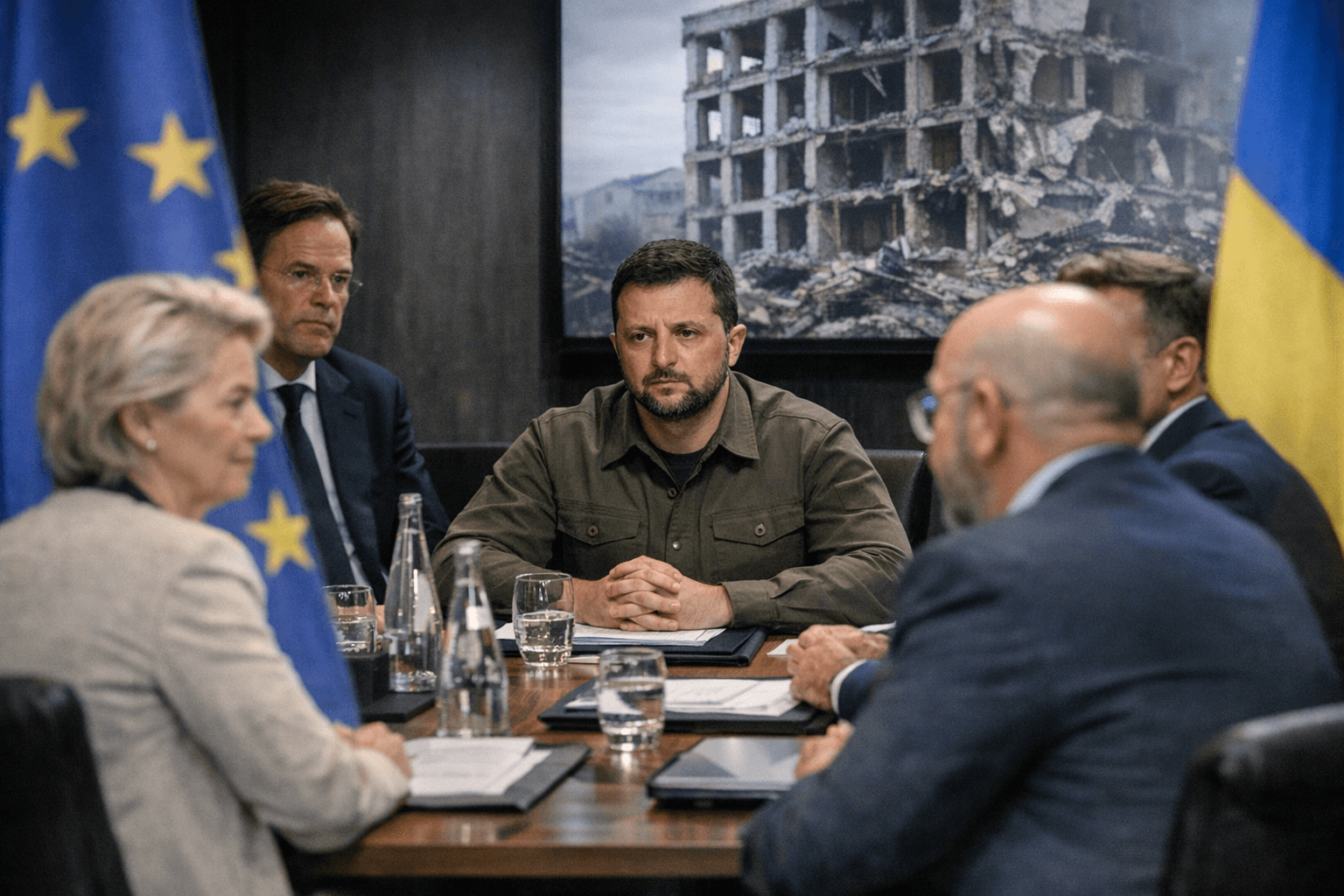
The Hague gathering coincided with a broader diplomatic push aimed at advancing efforts to end the war and to prepare mechanisms for post conflict recovery. Legal analysts caution that establishing liability is only the first step. Converting awards into payment will require new political agreements and likely litigation across jurisdictions, raising complex questions about sovereign immunity, asset seizure and the prioritization of creditors.
Markets will watch closely. The prospect of formal awards could increase the value of claims against Russian assets and influence pricing of Russian sovereign exposure where it remains traded, while also complicating the treatment of frozen assets in Europe and other jurisdictions. For Ukraine, the commission creates a durable institutional record and a potential lever to attract reconstruction finance, but its ultimate impact will depend on whether states and institutions ultimately commit resources to pay awards or to use seized assets for compensation.
The commission’s establishment marks a significant legal innovation in post conflict reparations. It formalizes multilateral documentation and adjudication of wartime losses and sets a precedent for how regional organizations can marshal legal processes to address large scale destruction. The next months will determine whether that legal architecture can be translated into enforceable recovery for a country rebuilding amid ongoing hostilities.
This article was produced by Prism’s automated news system from verified source data, official records, and press releases, then run through automated quality and moderation checks before publishing. The system is built and supervised by the people who set the standards it runs under. Read our full AI policy.
Did this article answer your question?