Europe races to build AI wingman drones after Ukraine war lessons
Berlin’s airshow put Europe’s new war plan on display: AI wingman drones built for mass, electronic warfare and less dependence on manned jets.
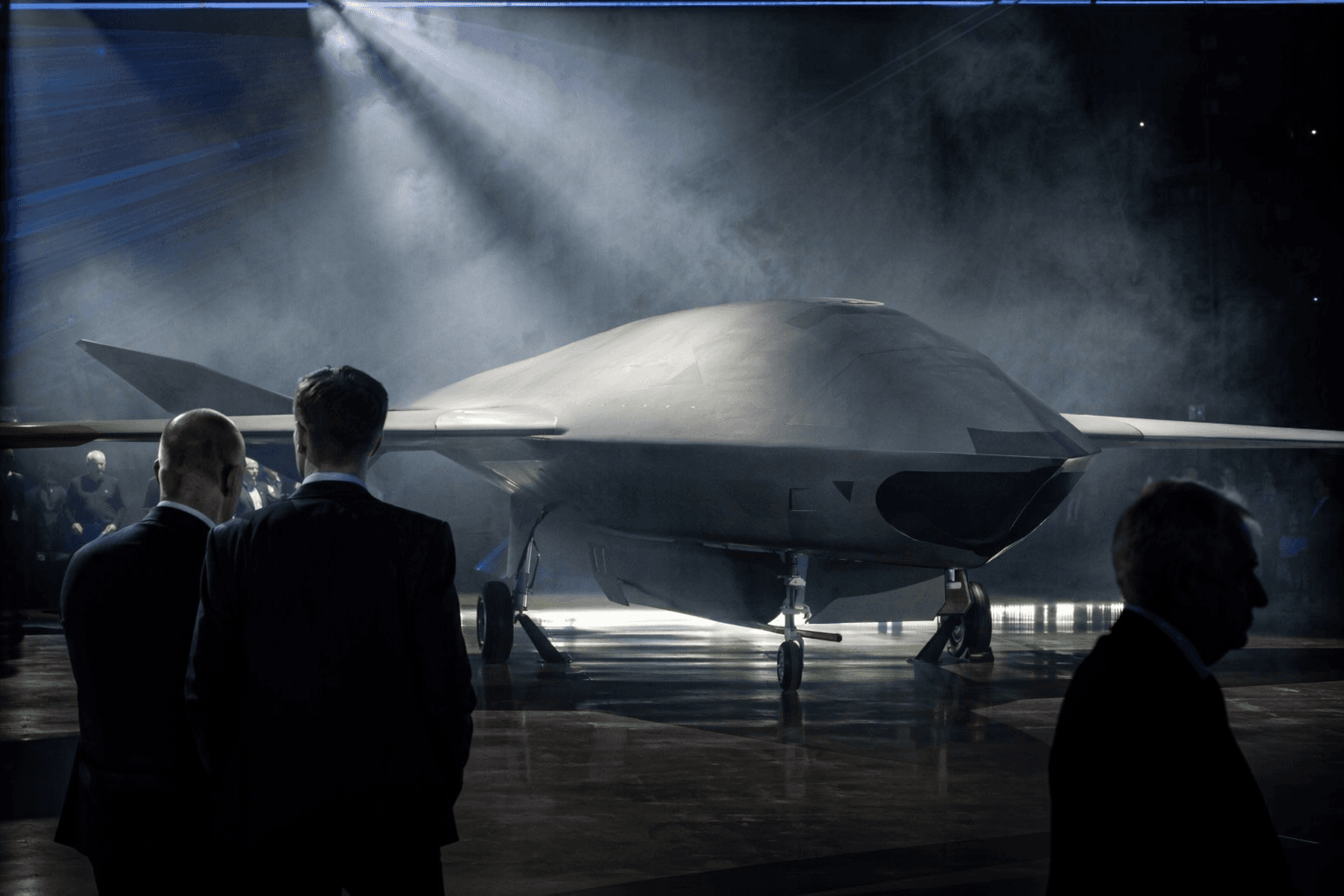
Europe’s rearmament strategy was on stark display at the Berlin airshow, where the biggest draw was not a new fighter jet but the wingman drone. Designed to fly alongside crewed aircraft, these next-generation systems are meant to add sensors, jammers and weapons to the air fight, reflecting hard lessons from Ukraine about electronic warfare, survivability and the need for networked autonomy.
The timing carried extra weight. Just days before the show, Germany and France agreed on June 8 to scrap the manned fighter-jet component of their Future Combat Air System after years of disputes between Airbus and Dassault Aviation. FCAS, launched in 2017 and later joined by Spain, was supposed to replace France’s Rafale and Germany’s Eurofighter while also building drones and a secure combat-data cloud. The fighter break may not kill the rest of the program, but it sharpened the question now hanging over Europe’s defense sector: can governments and industry still deliver a sovereign air-combat system at scale?
At ILA Berlin 2026, Airbus, Boeing, Helsing and General Atomics all showed off their own answers to that question. Boeing and Rheinmetall unveiled an enhanced MQ-28 Ghost Bat variant for Germany, extending a program that Boeing says is intended to deliver “affordable combat mass” and work alongside crewed and uncrewed platforms. Boeing says the Ghost Bat has been developed with support from the Royal Australian Air Force and is meant to act as a force multiplier in advanced air combat missions.

Helsing used the airshow to introduce the CA-1 Electronic Attack, a new electronic-warfare version of its CA-1 Europa family. Helsing describes the CA-1 Europa as a three-to-five ton autonomous fighter jet under development with its subsidiary Grob Aircraft. Stephanie Lingemann of Helsing said the AI “brain” behind wingman systems needs to be controlled in a sovereign fashion, a line that captured the broader European argument: software control may matter as much as the airframe itself.
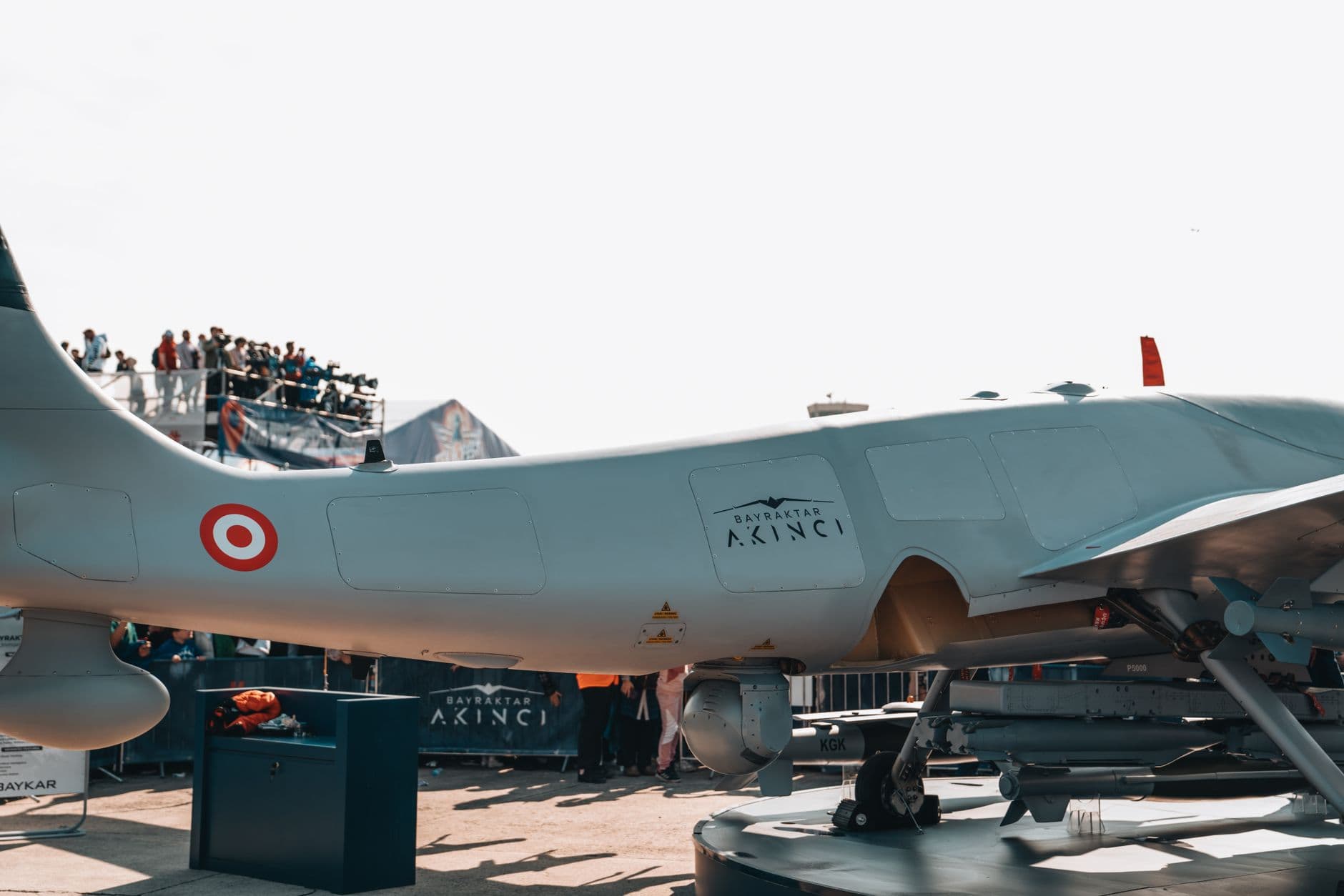
The scale of the market shows why the competition is moving so quickly. The U.S. Air Force has budgeted about $28.48 billion for fiscal years 2025 through 2029 for its Next Generation Air Dominance and Collaborative Combat Aircraft effort, a signal that Europe’s own programs are entering a global race for funding, industrial capacity and battlefield relevance. Airbus also showcased its uncrewed systems portfolio in Berlin, including the U760 Ravenstorm UCCA, as Europe’s defense firms pushed a clear message: the future of air power will be faster, cheaper and more autonomous, or it will fall behind.
This article was produced by Prism’s automated news system from verified source data, official records, and press releases, then run through automated quality and moderation checks before publishing. The system is built and supervised by the people who set the standards it runs under. Read our full AI policy.
Know something we missed? Have a correction or additional information?
Submit a Tip