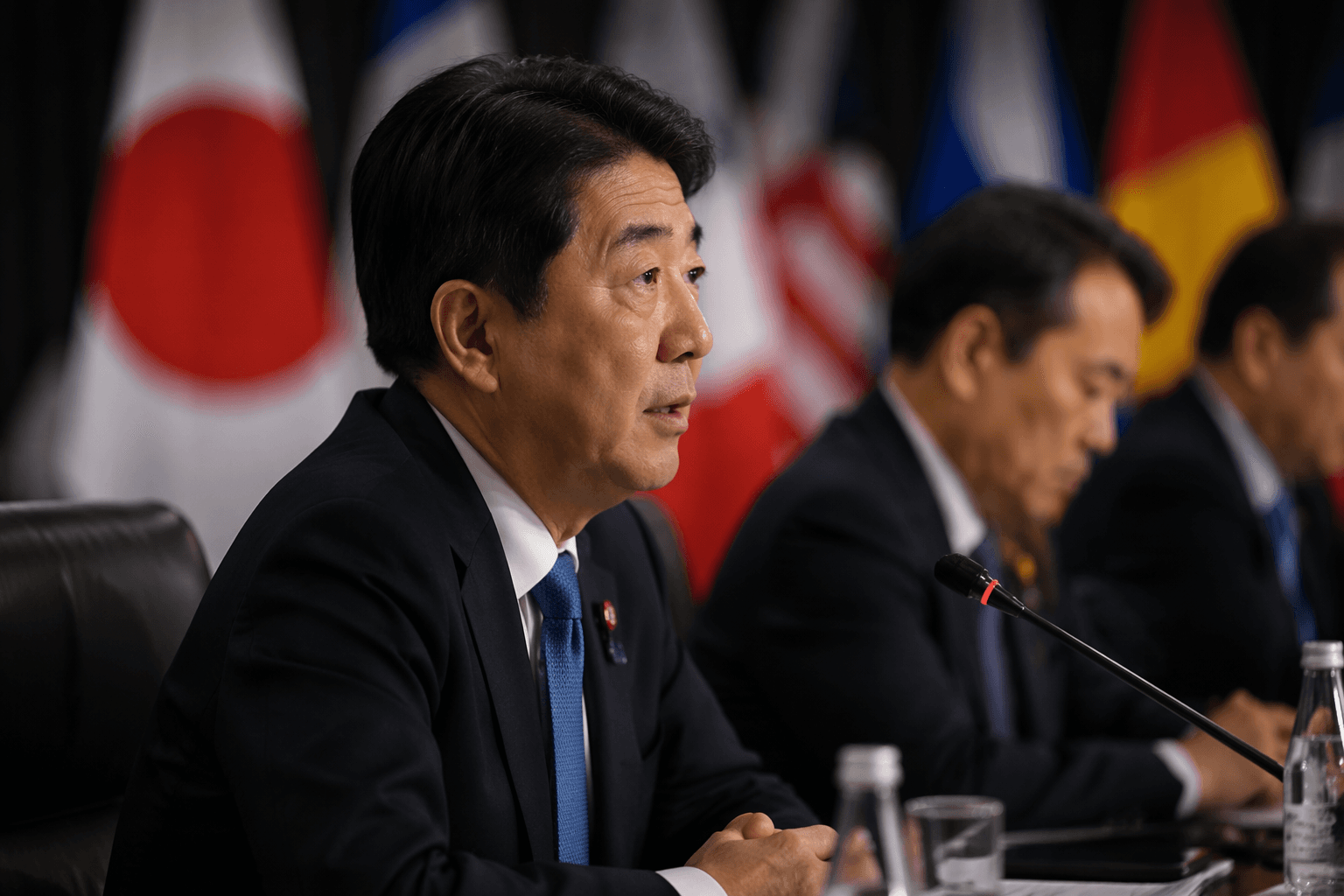
India restricts Telegram ahead of NEET re-exam amid cheating fears
India has restricted Telegram nationwide before the NEET-UG re-exam, as officials moved against leak-ridden scam networks and a crisis that shook more than 2.27 million aspirants.
India has moved to curb Telegram nationwide ahead of the NEET-UG re-examination, a rare platform restriction that shows how deeply the exam scandal has unsettled the country’s trust in public testing. The Ministry of Electronics and Information Technology ordered the app’s access limited until June 22, one day after the re-exam scheduled for June 21, as officials said cheating rackets were using the platform to defraud candidates and spread fake paper-leak claims.
The National Testing Agency said it had launched a dedicated reporting platform to flag fake websites, paper-leak rumours and other suspicious activity tied to the medical entrance test. It also backed the temporary Telegram restriction, while acknowledging that the move would inconvenience lakhs of legitimate users. The government separately curtailed Telegram’s message-editing feature until June 30, a step aimed at limiting the fabrication of evidence and the rapid reshaping of false claims.
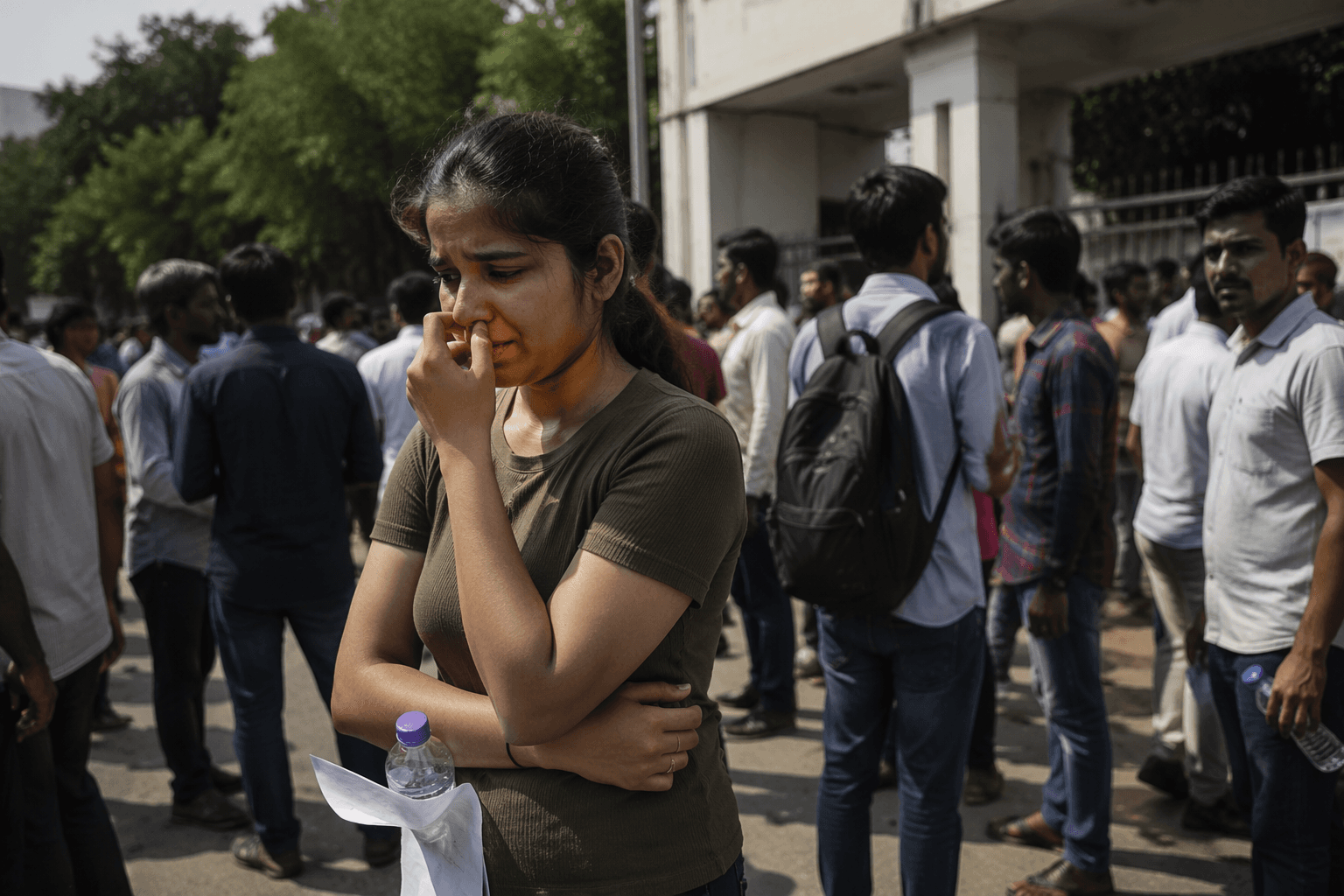
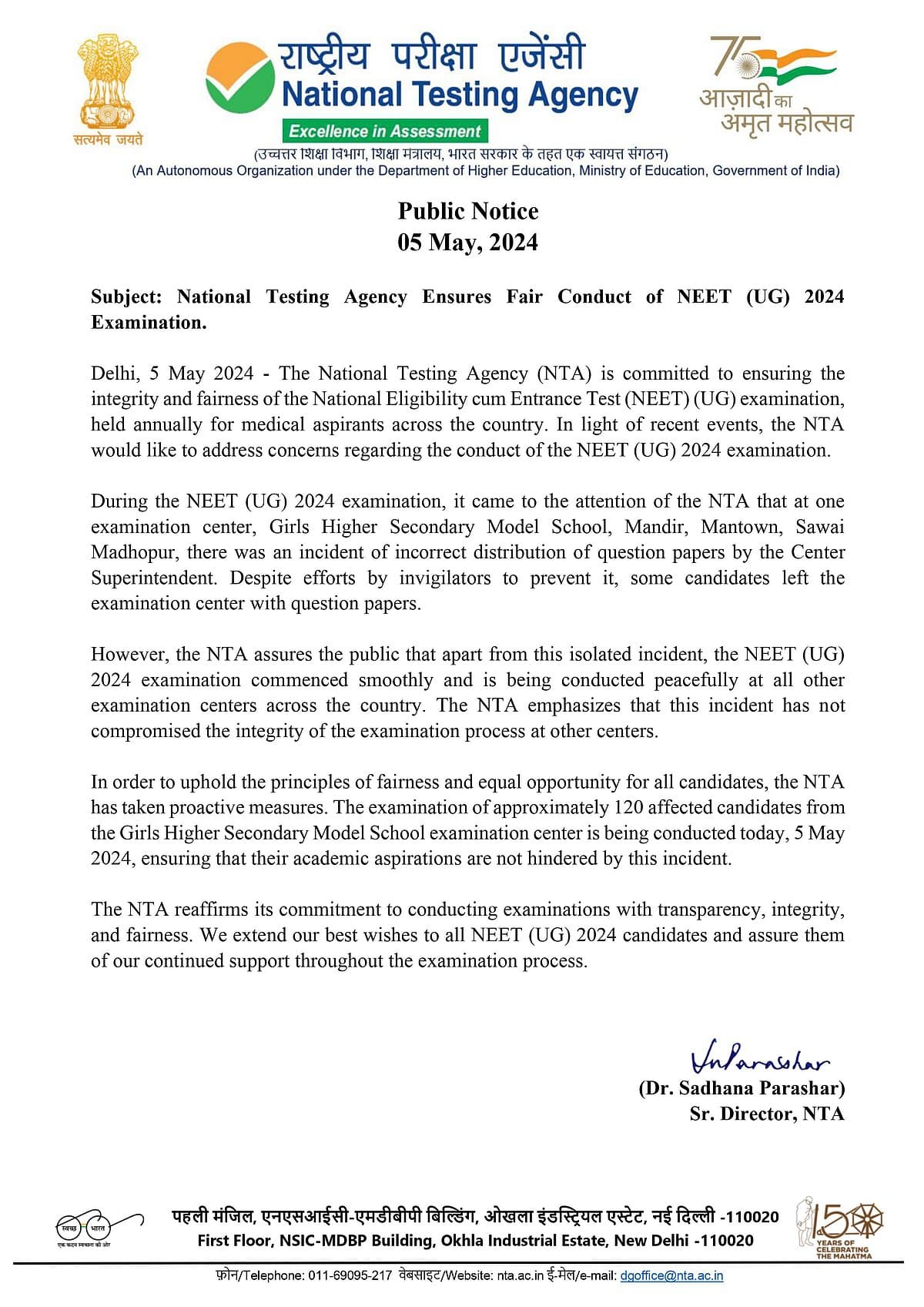
The crackdown comes after NEET-UG 2026 was first held on May 3 and then cancelled on May 12 following allegations of a widespread paper leak and systematic irregularities. More than 2.27 million aspirants were affected, turning an admissions test for undergraduate medical and dental courses into a national flashpoint over exam integrity, state accountability and the vulnerabilities of digital communication channels.
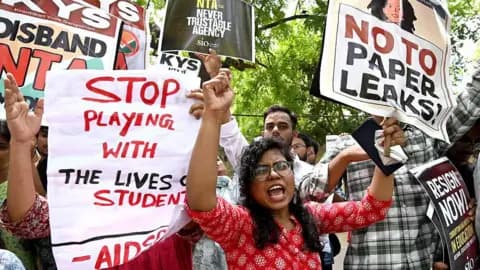
The fallout was immediate and political. Students and opposition groups staged protests after the cancellation, including demonstrations by NSUI in New Delhi on May 12. The student organisation argued that the cancellation itself proved large-scale irregularities and serious lapses in the examination process, while other protesters demanded accountability and the resignation of education minister Dharmendra Pradhan.

The controversy has since widened beyond one exam cycle. It has fueled criticism in political circles, petitions in the Supreme Court of India and renewed anger over the recurring problem of paper leaks in the country’s public examination system. For many of the medical hopefuls caught in the middle, the Telegram restriction may slow some scams, but it does not answer the larger question now hanging over NEET: how a high-stakes national exam collapsed so completely that the government felt compelled to police the platform rather than restore confidence in the system itself.
This article was produced by Prism’s automated news system from verified source data, official records, and press releases, then run through automated quality and moderation checks before publishing. The system is built and supervised by the people who set the standards it runs under. Read our full AI policy.
Know something we missed? Have a correction or additional information?
Submit a Tip