Iran says Israeli troops must leave Lebanon under U.S.-backed deal
Iran warned Israeli forces in Lebanon would breach a U.S.-backed deal as Israel said its troops would stay, exposing the ceasefire’s core fault line.

Iran has put Israeli troop withdrawal at the center of the latest Lebanon ceasefire fight, warning that any continuing Israeli presence would violate the terms of a deal being pushed by Washington. The clash has turned the diplomacy into a test of whether the United States can translate talks into a settlement that Israel, Lebanon and Hezbollah will actually honor.
At the heart of the dispute is a June 2-3, 2026 trilateral meeting the United States convened with Israeli and Lebanese representatives. The U.S. State Department said the ceasefire framework depended on a complete halt to Hizbollah fire and the evacuation of all Hizbollah operatives from the South Litani Sector. It also called for pilot zones where the Lebanese Armed Forces would take exclusive control of territory, with Washington saying it would support the Lebanese army to improve its capacity.
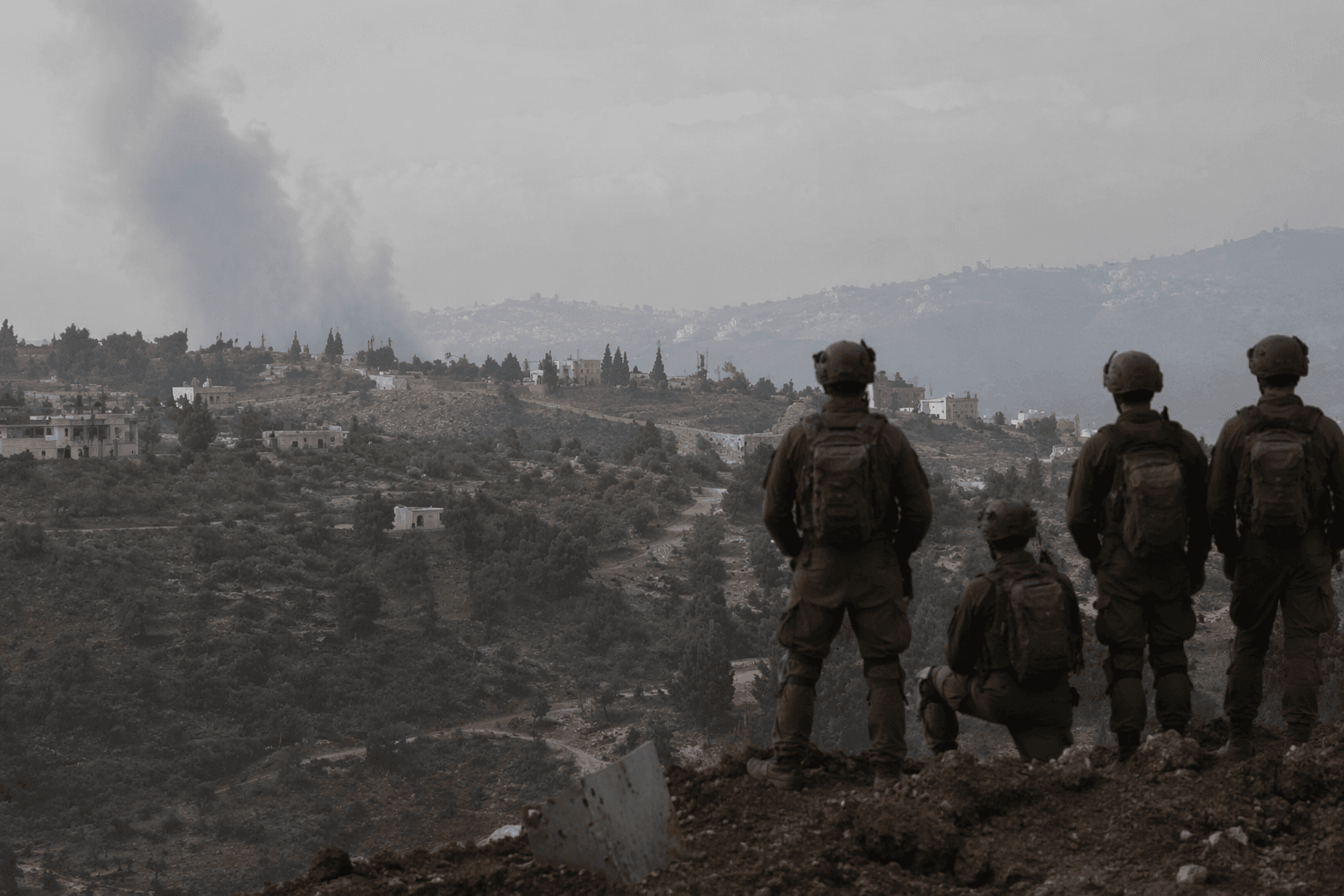
But the central question remained unresolved: who would leave, and when. Iran’s foreign minister, Abbas Araghchi, said continuing Israeli forces in Lebanon would violate the pending deal, and Iranian officials said a “mechanism” in the agreement could be triggered if Israel broke it. Israeli officials said on Monday that troops would stay in Lebanon and that “Trump’s agreement does not bind us.” Israel’s defense minister, Israel Katz, also said Israeli military operations in Lebanon would continue despite the ceasefire effort.
The dispute sharpened after Israel struck Hezbollah targets in Beirut’s southern suburbs on June 14, 2026. Iranian officials said the attack showed the United States either lacked the will or the ability to enforce its commitments, and Tehran warned the strike would not go unanswered. That left the ceasefire initiative resting on a narrow foundation: a diplomatic process led by Washington, but challenged by the military realities on the ground.
The new talks build on a U.S.- and France-brokered cease-fire reached on November 26, 2024 after 14 months of war between Israel and Hezbollah. That agreement set a 60-day implementation window in which Israeli troops were supposed to withdraw, the Lebanese army was to deploy to the south, and Hezbollah was to move north of the Litani River. The earlier conflict killed more than 3,000 people in Lebanon and displaced about 1.2 million, a scale of destruction that now hangs over every dispute about troop withdrawal language and every effort to keep the border quiet.
This article was produced by Prism’s automated news system from verified source data, official records, and press releases, then run through automated quality and moderation checks before publishing. The system is built and supervised by the people who set the standards it runs under. Read our full AI policy.
Know something we missed? Have a correction or additional information?
Submit a Tip