Trump criticizes Israel strike on Lebanon as Iran deal nears
Trump objected to Israel’s Lebanon strike just as Washington and Tehran moved toward an Iran deal, exposing how little control the U.S. has on the ground.

Donald Trump said he did not like that Israel struck Lebanon two hours before the United States signed an agreement with Iran, a complaint that underscored the gap between Washington’s diplomacy and the violence still unfolding in the region. Speaking while in France for the Group of Seven summit, Trump cast the attack as bad timing at a moment when the U.S. was trying to lock in a broader deal.
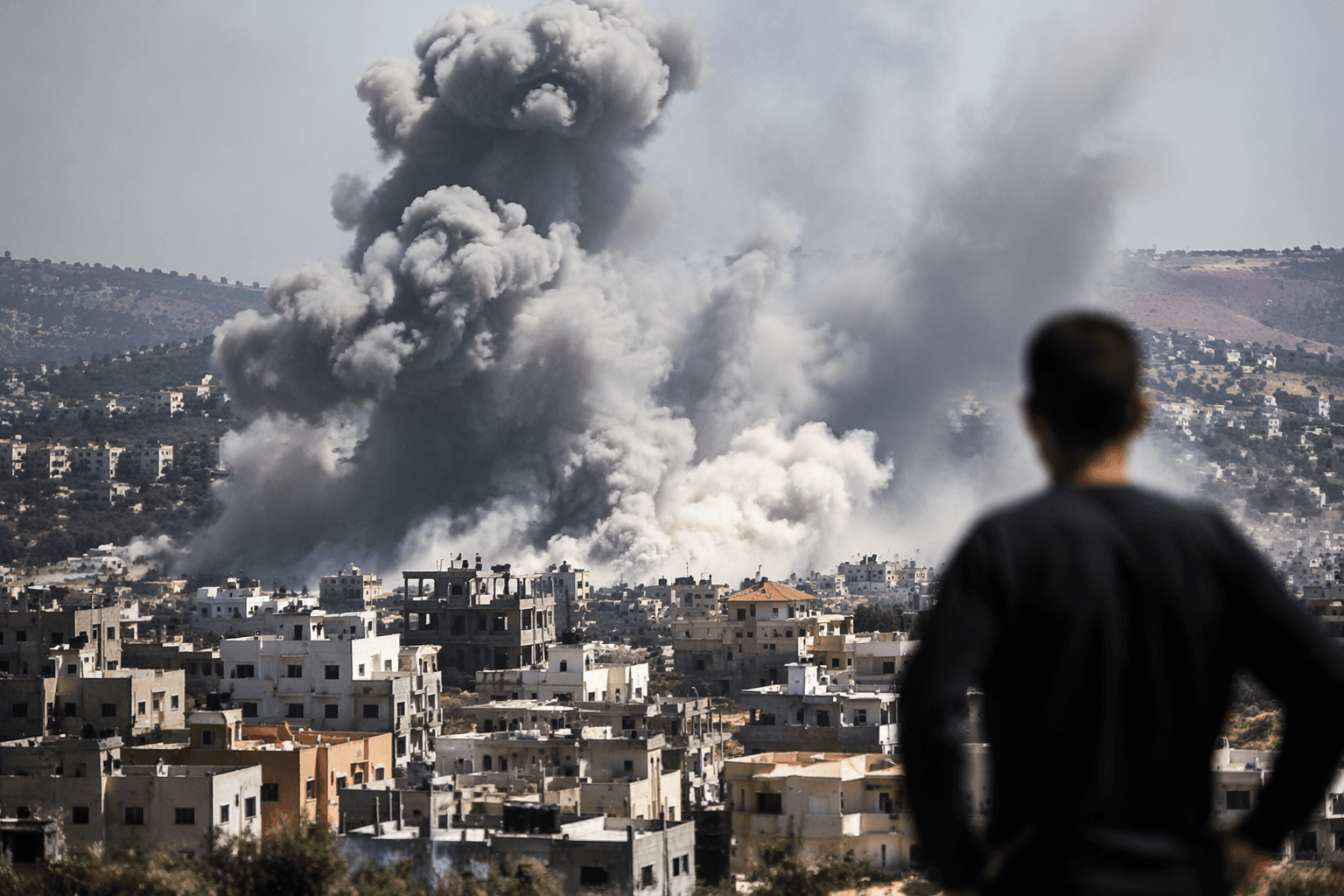
The Israeli strike followed an earlier exchange that began when Hezbollah fired three projectiles toward communities in northern Israel on Sunday. Israel said the bombardment was a ceasefire violation and responded by hitting Hezbollah targets in Beirut’s southern suburbs, known as Dahiyeh. Lebanese state media and health officials reported casualties in the strike, raising the stakes of an attack that landed in a densely populated area already strained by months of war risk and displacement.
Trump later said the deal with Iran had been signed digitally and that the text would be released later, with a formal signing ceremony expected in Switzerland later in the week. He also said he has a great relationship with Israeli Prime Minister Benjamin Netanyahu, but added that Netanyahu should be “more responsible” with respect to Lebanon. Trump’s comments made clear that the White House was trying to preserve a diplomatic track with Iran even as Israel pressed its campaign against Hezbollah.
The timing matters because the Lebanon strike came as Trump and Iran were nearing a framework peace agreement, and any fresh bloodshed risked complicating those efforts. The confrontation also signaled to allies and adversaries alike that the U.S. could push for de-escalation, but it could not fully stop Israel’s military choices or Hezbollah’s attacks. That tension has defined the broader conflict for months, as Israeli strikes on Beirut and southern Lebanon have already caused civilian casualties and mass displacement, deepening fears that another round of escalation could undercut any regional deal before it takes hold.
This article was produced by Prism’s automated news system from verified source data, official records, and press releases, then run through automated quality and moderation checks before publishing. The system is built and supervised by the people who set the standards it runs under. Read our full AI policy.
Know something we missed? Have a correction or additional information?
Submit a Tip