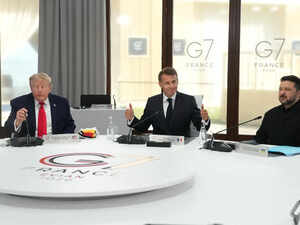
Japan urges G7 to stockpile rare earths against China export controls
Japan pressed the G7 to build 90-day rare earth stockpiles and coordinate emergency releases as China tightened export controls on 40 Japanese entities.
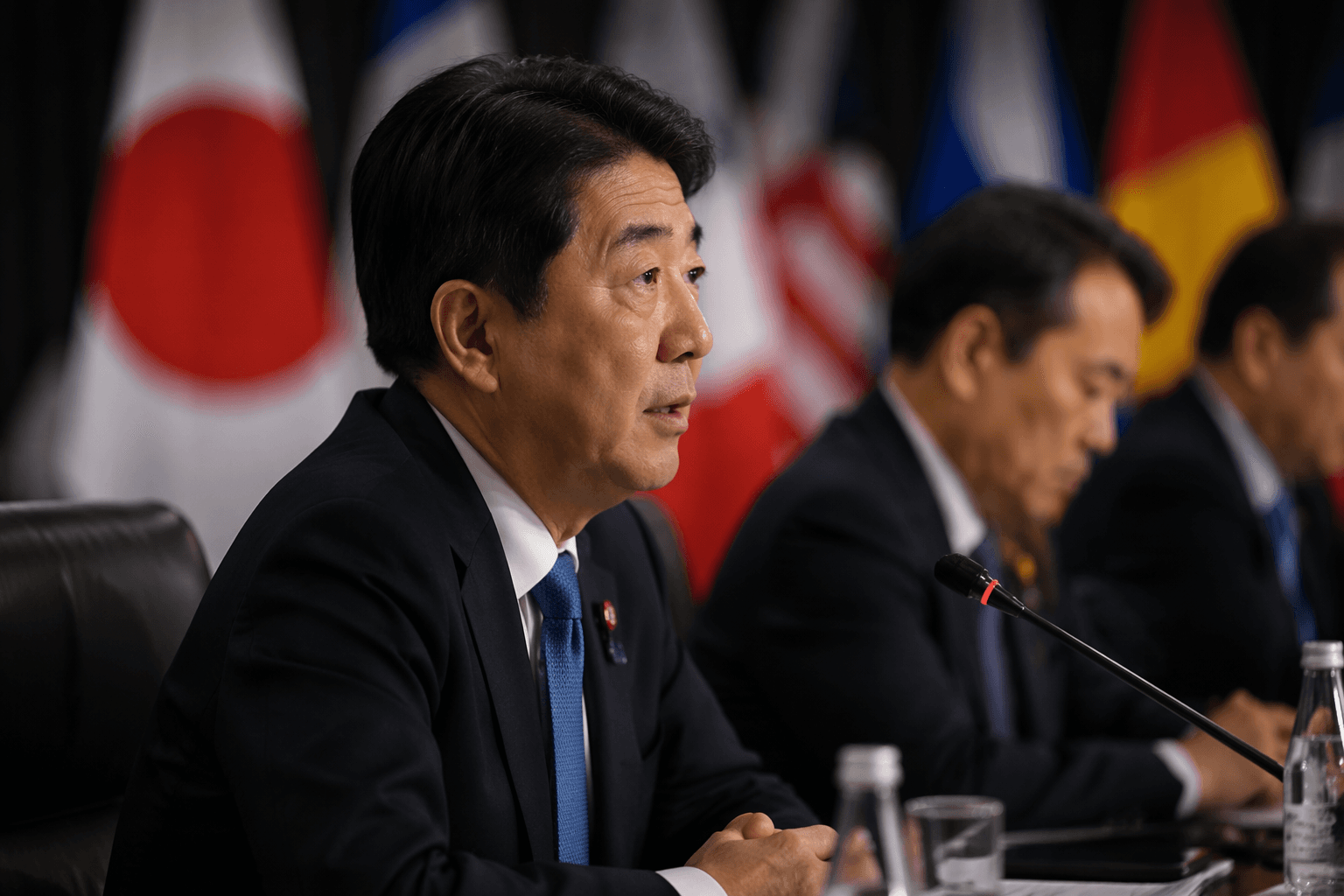
Japan pushed the Group of Seven to turn its frustration with China’s trade pressure into a concrete buffer against future shortages, urging allies to build joint stockpiles of critical minerals such as rare earths and to coordinate emergency releases through the International Energy Agency. The proposal, advanced as the G7 met in France, called for each participating country to hold at least 90 days of supply, a standard meant to blunt the kind of disruption that can ripple through factories, defense contractors and the electric-vehicle supply chain.
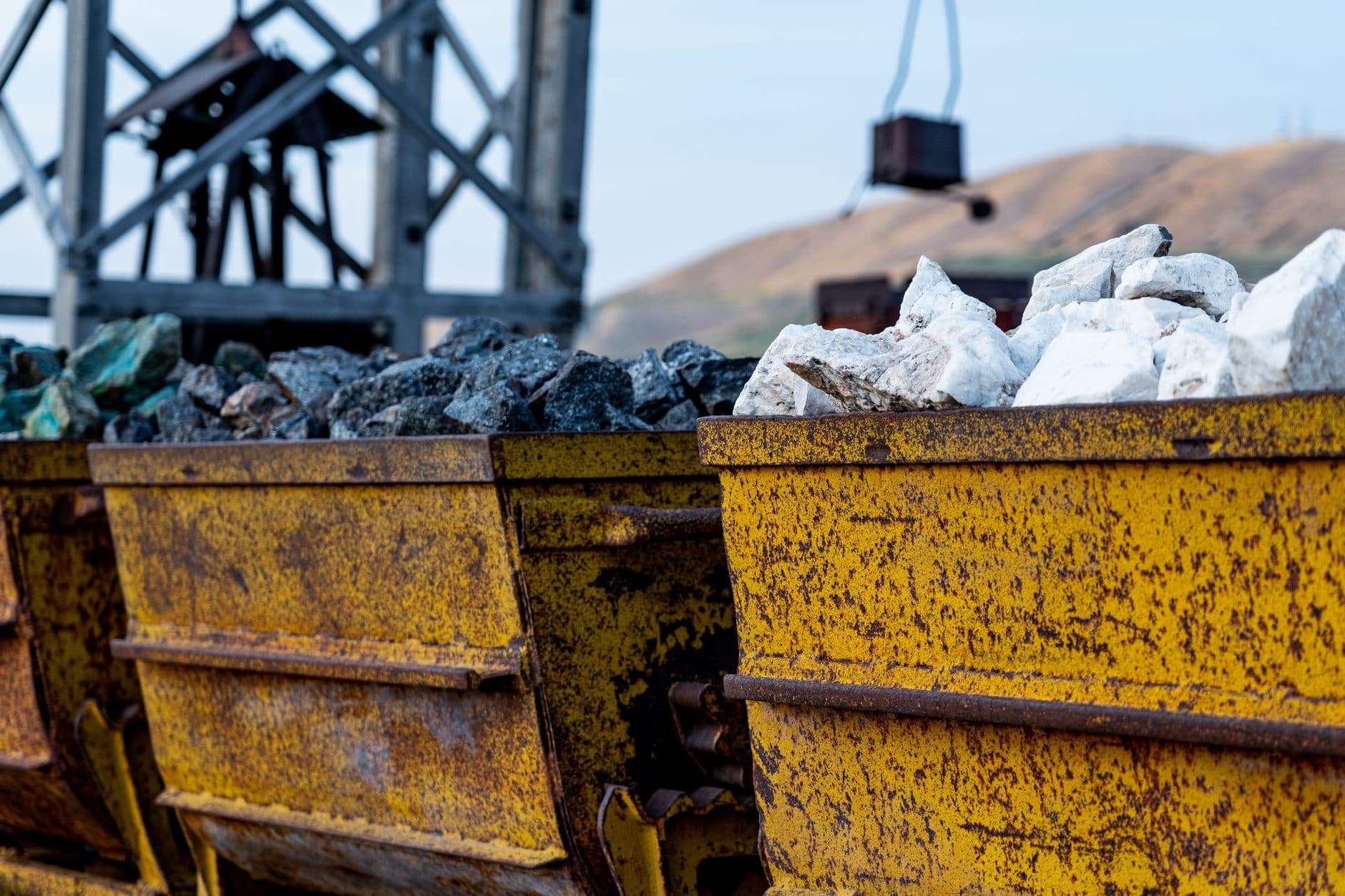
The stakes are high because China sits at the center of the market Japan wants to defend against. It is widely reported to control about 70% of global critical-mineral supply and about 90% of magnet-processing capacity, giving Beijing leverage over materials used in consumer electronics, EVs and military systems including fighter jets. Japan’s plan also tied mineral security to shipping security, urging attention to open sea lanes, including free navigation through the Strait of Hormuz, a reminder that supply risk now runs from mines and refineries to chokepoints on the water.
The diplomatic push came after a fresh round of Chinese restrictions on Japanese companies and technology. On Feb. 24, China placed 40 Japanese companies and organizations under export-control-related measures, including Mitsubishi Heavy Industries, SUBARU, TDK and JAXA. Earlier, on Jan. 6, Beijing imposed export controls on dual-use items destined for Japan, tightening scrutiny on materials and technologies it said could enhance Japan’s military capabilities. Together, the moves deepened the sense in Tokyo that China is willing to use trade rules as geopolitical leverage rather than ordinary commercial policy.
The G7 has already signaled that it sees the problem in broader strategic terms. In October 2025, finance ministers agreed to coordinate a short-term response to China’s rare-earth export controls and to diversify suppliers, and Japanese officials have said the summit’s final statement was being adjusted to absorb the new stockpiling proposal. Japan and Britain have also deepened cooperation on critical minerals, technology and defense, showing that some allies are moving from rhetoric toward industrial policy.
Still, the question for the G7 is whether it will settle for coordinated stockpiles or move on to tougher tools, including joint export controls and more aggressive supply-chain diversification. For U.S. and European manufacturers, that choice will determine whether China’s leverage is met with a managed insurance policy or a broader allied economic defense system built to withstand the next round of pressure.
This article was produced by Prism’s automated news system from verified source data, official records, and press releases, then run through automated quality and moderation checks before publishing. The system is built and supervised by the people who set the standards it runs under. Read our full AI policy.
Know something we missed? Have a correction or additional information?
Submit a Tip