European Council approves €90 billion interest free loan for Ukraine
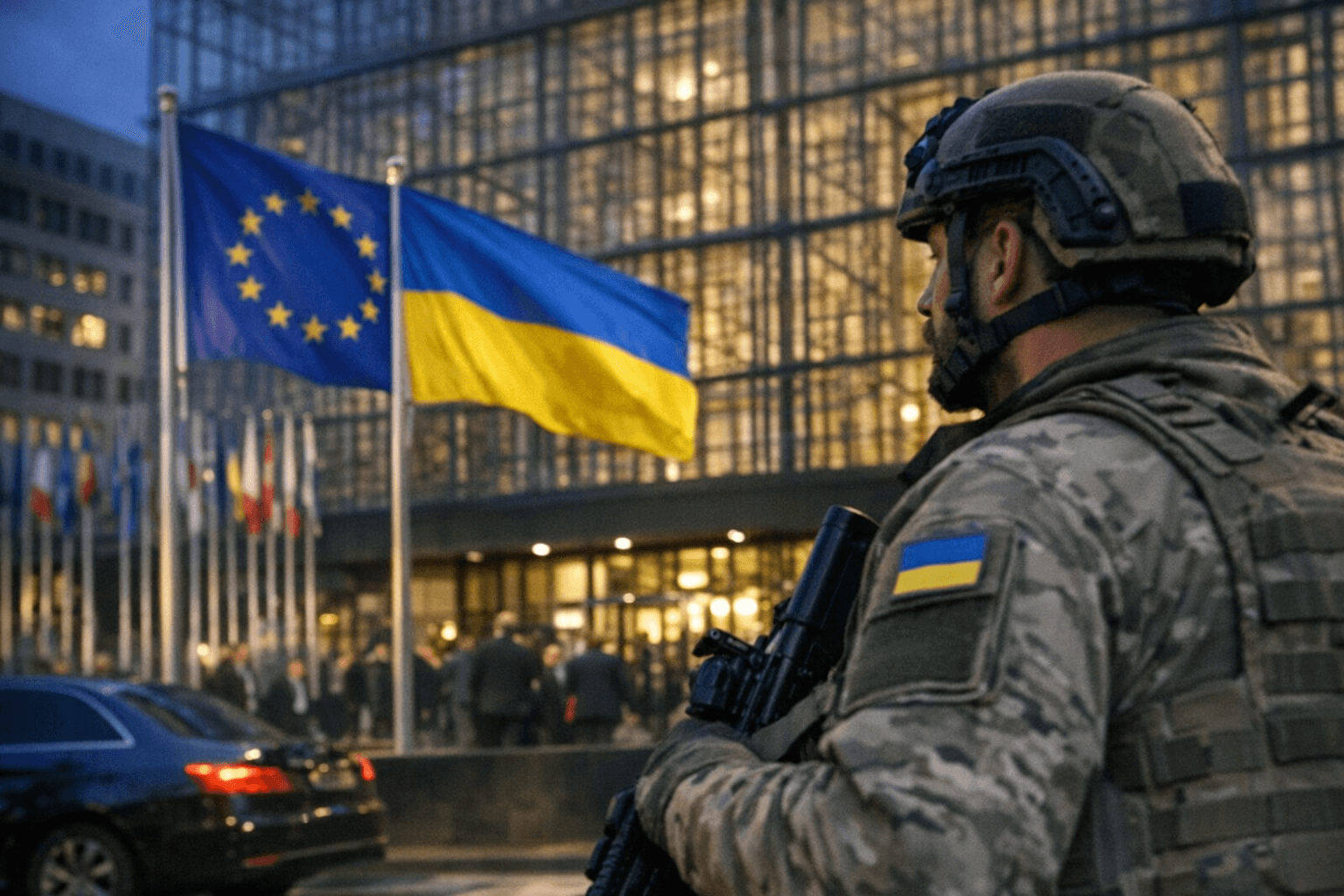
European Union leaders approved an interest free €90 billion loan to support Ukraine’s military and economic needs across 2026 and 2027 after late night talks at the European Council on December 19. The package secures near term financing through joint EU borrowing while preserving the Union’s legal claim on immobilized Russian assets for future repayment, a compromise that reflects deep internal divisions.
EU leaders on December 19 agreed to a zero interest loan of €90 billion to sustain Ukraine across the two year period 2026 and 2027, concluding protracted negotiations that stretched into the night at the European Council. The Council said the support should be ensured "as from the second quarter of 2026." The euro amount equates to roughly $105 to $106 billion depending on conversion.
The financing will be raised by joint borrowing on capital markets, backed by available EU budget headroom. The political text invokes enhanced cooperation under Article 20 of the Treaty on European Union and an instrument based on Article 212 of the Treaty on the Functioning of the European Union to structure the loan and any accompanying budgetary guarantees. Negotiators framed the mechanism as a way to accelerate funding while remaining within existing treaty constraints.
To accommodate reluctant capitals, the Council inserted explicit protections for those that would not participate. The agreement states that any mobilisation of Union budget resources as a guarantee for the loan "will not have an impact on the financial obligations of the Czech Republic, Hungary and Slovakia." Those three states declined to support the debt package but agreed not to block the decision, a procedural compromise that preserved unanimity in effect while allowing the borrowing to proceed.
A proposed immediate use of frozen Russian sovereign assets to finance the package was abandoned as the primary route during the talks, in favour of capital market borrowing. The Council text, however, preserves the Union’s legal position regarding those immobilized assets, stating that the loan "would be repaid by Ukraine only once Russia compensates Ukraine for the damage caused by its war of aggression. Until then, Russia’s assets will remain immobilized and the EU reserves the right to use them to repay the loan, in accordance with EU and international law." European Council President António Costa reiterated that the EU "reserves its right to make use of the immobilized assets to repay this loan."
Political leaders cast the outcome as pragmatic. French President Emmanuel Macron said borrowing on capital markets "was the most realistic and practical way" to fund Ukraine, while German Chancellor Friedrich Merz welcomed the finalisation of the financial package and emphasised that Ukraine would receive a zero interest loan. Hungary’s Prime Minister Viktor Orbán posted that he had achieved a "double victory" at the summit, reflecting domestic political calculation and the concessions secured for non participants.
International institutions responded positively to the decision, with the International Monetary Fund welcoming the Council’s move as a significant step. Analysts cautioned that the package, while substantial, will not close Ukraine’s financing gap, and that the EU is walking a tightrope between delivering immediate support and managing legal and political limits at home. The decision sits alongside earlier commitments by the EU and partners that together amount to hundreds of billions of dollars in military, humanitarian and reconstruction assistance since the war began, but Europeans and Kyiv alike acknowledge that long term reconstruction and deterrence will require further, durable solutions.
The Council’s compromise underscores how legal ingenuity and political bargaining are being used to sustain support for Ukraine, even as member state divisions and the unresolved question of how to treat immobilized sovereign assets leave the door open to future contention.
This article was produced by Prism’s automated news system from verified source data, official records, and press releases, then run through automated quality and moderation checks before publishing. The system is built and supervised by the people who set the standards it runs under. Read our full AI policy.
Did this article answer your question?


