Europe's economy weakens as Iran war drives up inflation
Fuel and food costs are rising as Europe’s private sector slips back into contraction, while euro area growth is cut to 0.9% and inflation lifted to 3.0%.
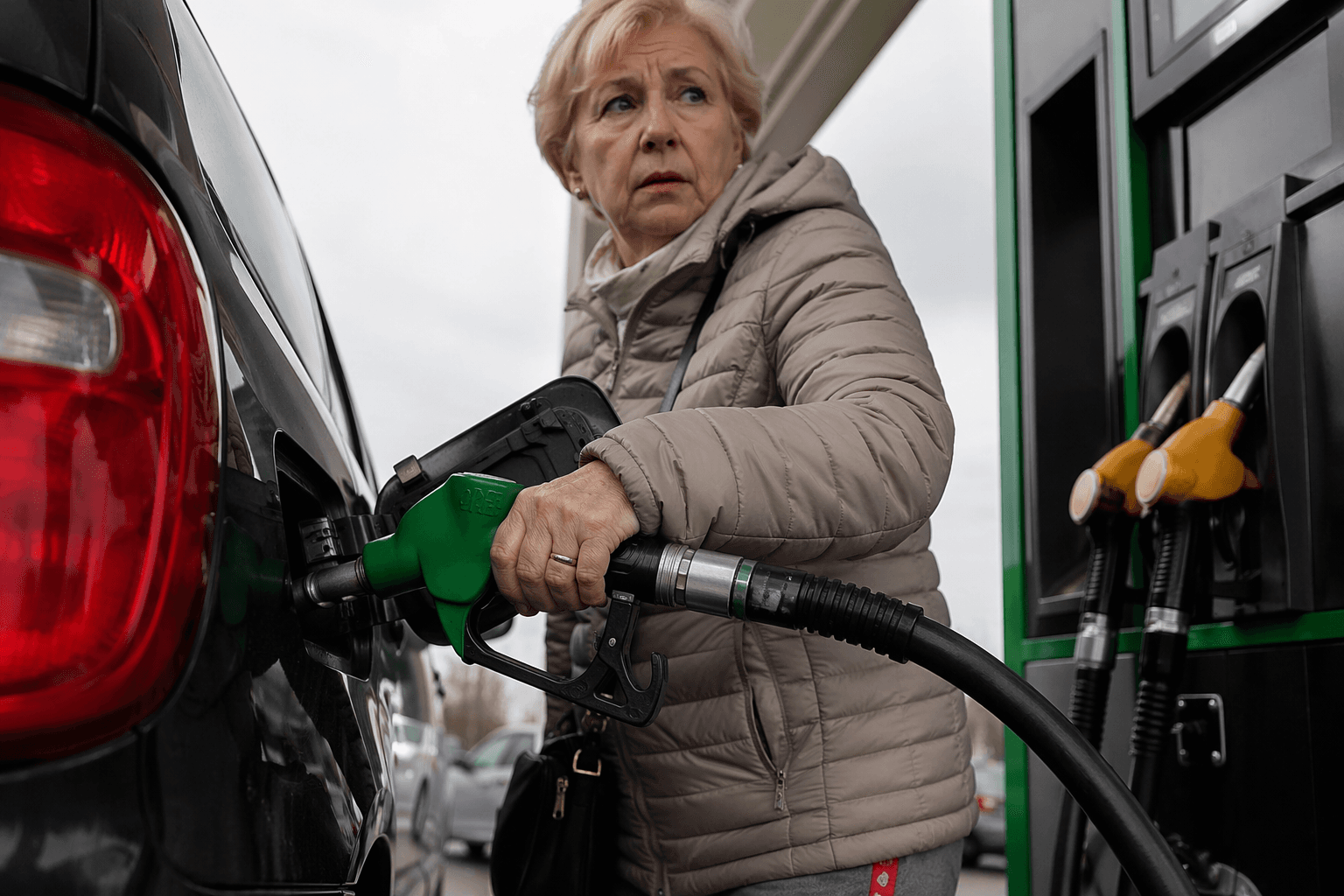
Europe’s economic squeeze is sharpening at the cash register and on the factory floor. The Iran war has sent energy prices higher, pushed inflation back up and weakened activity across the euro area, leaving policymakers with less room to support growth just as households face higher fuel, food and borrowing costs.
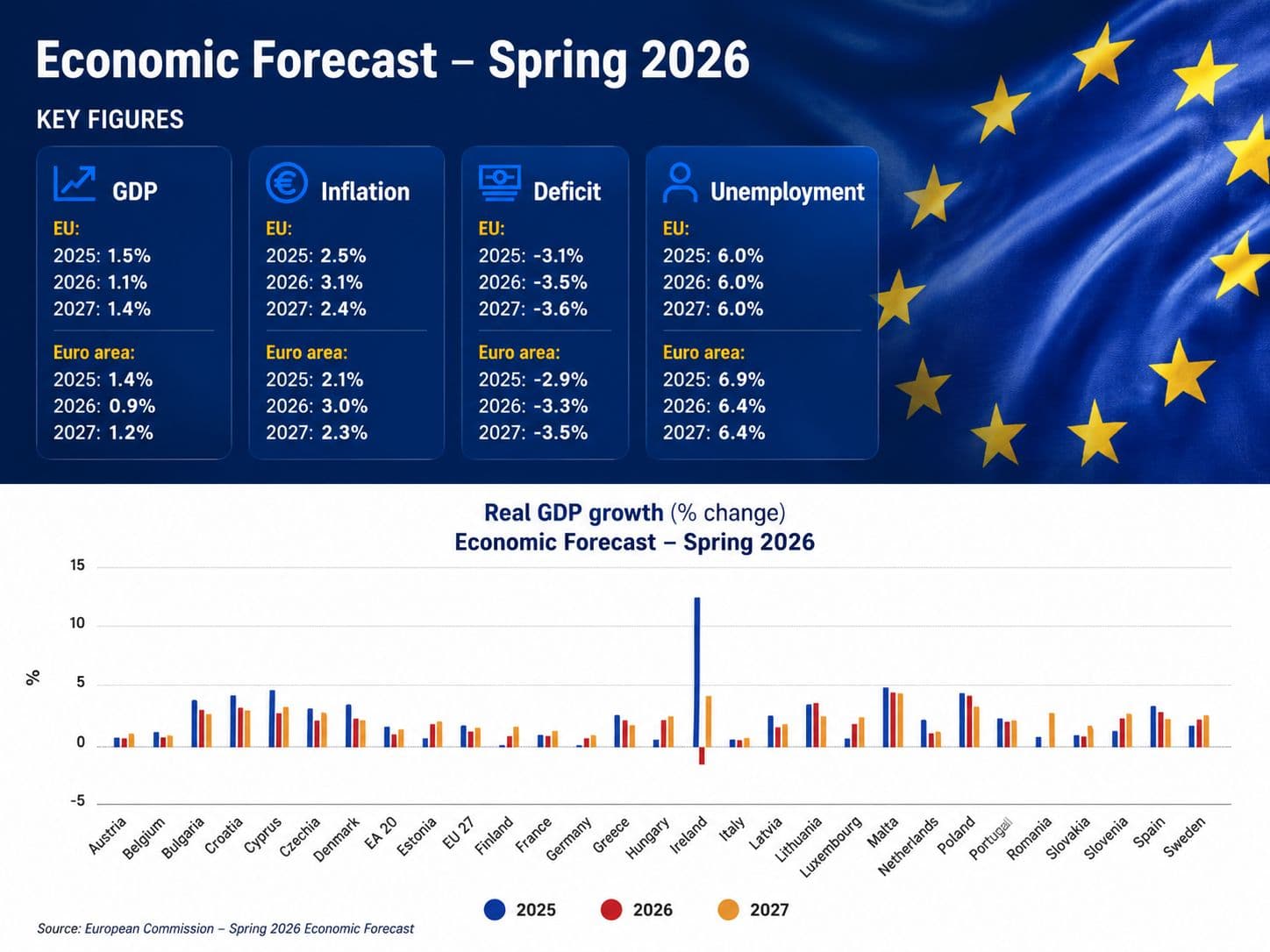
The European Commission’s Spring 2026 Economic Forecast, published on 21 May 2026, cut euro area GDP growth for this year to 0.9% from 1.2% and raised inflation to 3.0% from 1.9%. For the wider European Union, it lowered growth to 1.1% and lifted inflation to 3.1%. The Commission said the conflict triggered a new energy shock and described it as one of the most significant global energy supply disruptions in recent history. It said the virtual closure of the Strait of Hormuz reduced seaborne oil flows by around 15% and LNG flows by around 20%, while gas prices rose 50% and crude oil prices climbed 65% between 27 February and 29 April.
The shock is already showing up in business surveys. S&P Global’s 23 April flash eurozone PMI fell to 48.6, a 16-month low, with services at 47.4 and manufacturing output at 52.2. The composite reading showed the first contraction in 16 months, driven by services weakness, even as manufacturers benefited partly from safety stock building. S&P Global said war-related inflationary pressures intensified, supplier delivery times lengthened to their greatest extent since mid-2022 and business confidence faded. Chris Williamson, S&P Global’s chief economist, said the war had pushed the economy into decline and was driving inflation sharply higher.

Germany and France are feeling the strain most clearly among the bloc’s big economies. The Deutsche Bundesbank said the war was weighing more broadly and more noticeably on Germany in the second quarter, with higher inflation and purchasing-power losses hitting private consumption and consumer-facing services. It said the Strait of Hormuz remained largely closed because of Iranian and US blockades and put Brent crude around US$117 a barrel, about 63% above prewar levels and 88% above the start of the year. In Britain, companies recorded their broadest drop in activity in more than a year as the conflict’s fallout met domestic political uncertainty.

The European Central Bank has little comfort to offer. Its March projections put euro area growth at 0.9% in 2026 and headline inflation at 2.6%, and it warned that prolonged disruption of oil and gas supply would keep inflation above baseline and growth below it. ECB officials led by Christine Lagarde have said the war is lifting near-term inflation through energy prices, while longer-term inflation expectations remain anchored around 2%. That leaves Europe confronting a classic stagflation test: weaker output, higher prices and a central bank that can do little to offset both at once.
This article was produced by Prism’s automated news system from verified source data, official records, and press releases, then run through automated quality and moderation checks before publishing. The system is built and supervised by the people who set the standards it runs under. Read our full AI policy.
Did this article answer your question?

