Europe's record heat wave shatters temperature records, experts say
France logged its hottest day ever as Europe’s late-June heat wave drove temperatures 5 to 12°C above normal across five countries and pushed hospitals to the limit.

France recorded its hottest day ever on June 23, 2026, as the country’s national thermal indicator climbed to 29.8 degrees Celsius, or 85.6 degrees Fahrenheit, beating the previous record of 29.4 set in August 2003 and matched again in July 2019. French authorities placed 54 departments, about half the country, under red heat alerts, while trains, concerts and sports events were canceled and public drinking was restricted as officials tried to keep pressure off emergency rooms and hospitals.
World Weather Attribution said the late-June heat wave was the most severe ever recorded in Europe. The group said the event stretched across France, Germany, Italy, Spain and southern England, with temperatures running about 5 to 12 degrees Celsius above seasonal averages over three consecutive June days. Researchers said the pattern would have been “virtually impossible” 50 years ago without human-caused climate change and fossil-fuel emissions, a stark marker of how quickly extreme heat has become more intense in wealthy regions that once assumed they were insulated from the worst of it.
Reuters reported that the unusually hot night-time temperatures were about 100 times more likely than they would have been two decades ago. That matters as much as the daytime spikes: when nights stay hot, bodies do not recover, air conditioners work harder and already strained health systems face a longer, more dangerous workload. Paris police chief Patrice Faure said the alcohol restrictions were meant to reduce pressure on hospitals and emergency services, a sign that the response was no longer just about discomfort but about keeping the health system functioning.
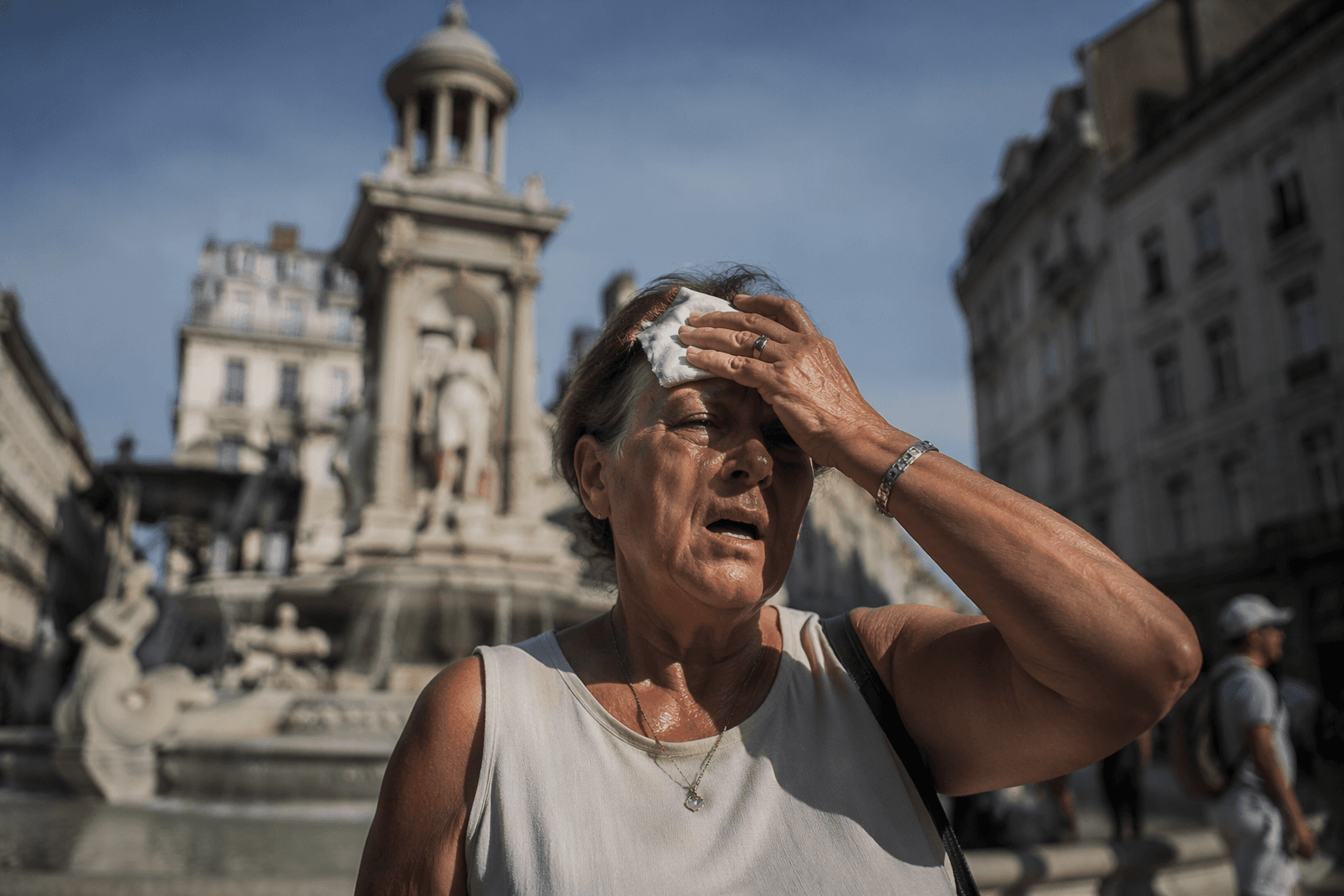
The heat wave was shifting eastward toward Germany and central Europe as warnings continued to mount, and forecasters said further record-breaking temperatures could still follow. Multiple drownings were also reported in France as people sought relief in rivers, lakes and ponds. For U.S. cities entering their own extreme-heat season, the European episode is a clear warning: record heat is no longer a distant climate spectacle, but a test of transit, hospitals and mortality risk in places rich enough to think they were prepared.
This article was produced by Prism’s automated news system from verified source data, official records, and press releases, then run through automated quality and moderation checks before publishing. The system is built and supervised by the people who set the standards it runs under. Read our full AI policy.
Know something we missed? Have a correction or additional information?
Submit a Tip