Trump blasts Iran over drone strike on ship in Strait of Hormuz
Trump called Iran’s drone strike on a cargo ship a "foolish violation" as oil prices jumped about 2% and shipping officials halted help in the Strait of Hormuz.
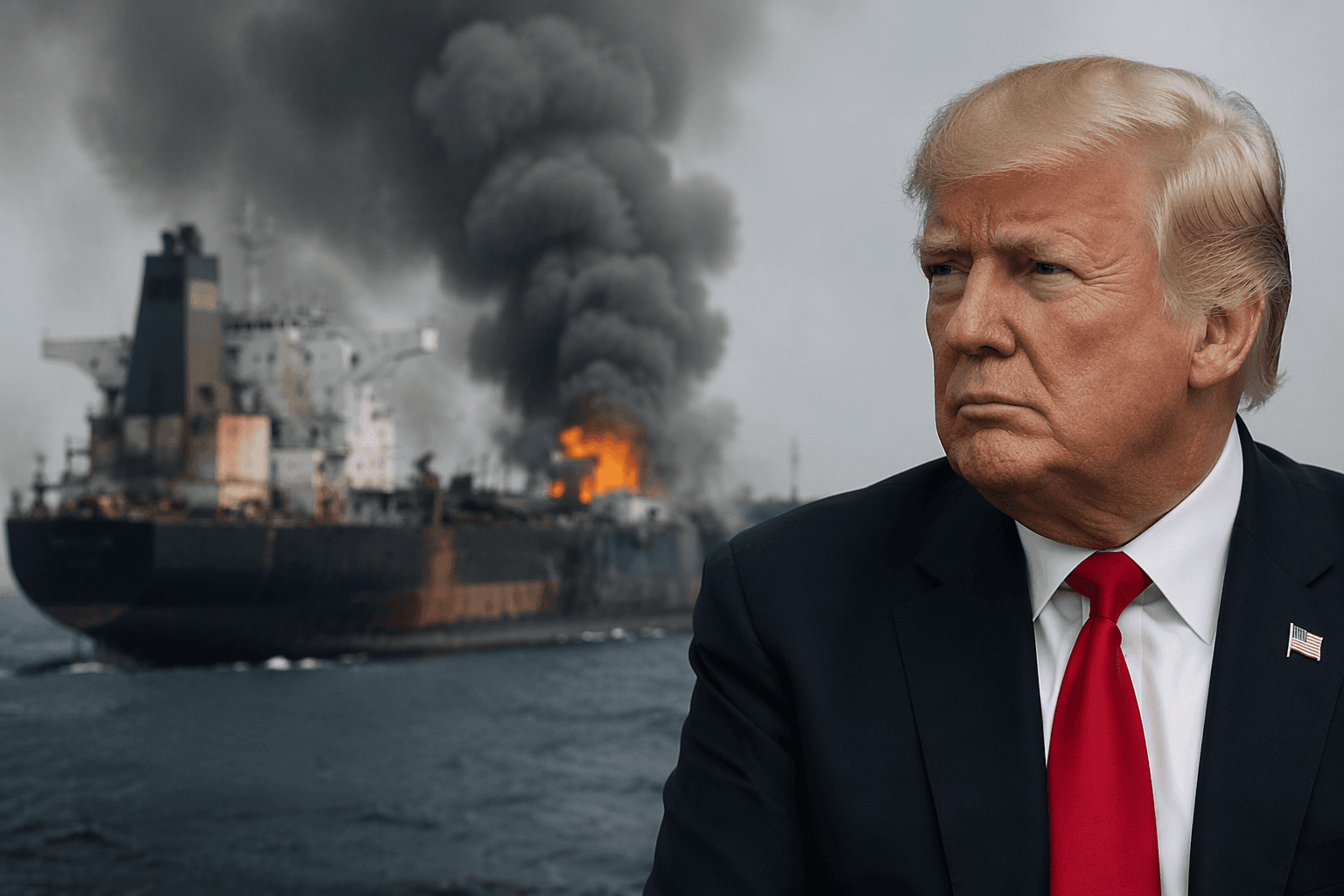
President Donald Trump accused Iran of a "foolish violation" after drones struck a cargo ship in the Strait of Hormuz, putting a fragile ceasefire under immediate strain and rattling markets tied to one of the world’s most sensitive energy routes. The attack hit a Singapore-flagged vessel near Oman on Thursday, and Trump’s remarks came a day later in a Truth Social post.
Multiple attack drones were launched at commercial vessels crossing the waterway, according to officials and reports cited by several outlets. One drone damaged the upper deck of the cargo ship, but the vessel kept moving. U.S. forces shot down three other drones, and the ship continued on its way. The incident was reported as the first Iranian attack on a commercial ship since the ceasefire extension signed last week, a sign that the truce remains vulnerable even after both sides agreed to keep fighting contained.
The Strait of Hormuz carries outsized economic weight because it is one of the main arteries for global oil shipments. Even a limited strike can move energy prices, and benchmark crude rose about 2% after news of the attack before giving back some of those gains. For importers, refiners and shipping firms, the threat is not just military but commercial: a single hit in the strait can disrupt routes, raise insurance costs and feed through to fuel prices.
The UN’s maritime agency temporarily suspended efforts to guide stranded ships through the strait after the attack, underscoring how quickly a single drone strike can tighten pressure on a corridor already watched closely by tanker operators. Trump stopped short of immediately calling for renewed military action, and the public signal from Washington suggested the administration was not yet treating the episode as a trigger for a return to active hostilities.
At the same time, Tehran sharpened its rhetoric. Reuters reported that Iran insisted it would control the Strait of Hormuz and warned Gulf states not to side with Washington, raising the risk that the ceasefire fight could spill back into the sea lanes that carry much of the world’s oil. The question now is whether the strike was a warning shot or the start of a broader challenge to the agreement meant to keep ships moving and prices contained.
This article was produced by Prism’s automated news system from verified source data, official records, and press releases, then run through automated quality and moderation checks before publishing. The system is built and supervised by the people who set the standards it runs under. Read our full AI policy.
Know something we missed? Have a correction or additional information?
Submit a Tip