Europe’s solar boom triggers price swings, grid strain, negative power rates
Solar now powers a third of Germany’s utility electricity in April, but the surge is pushing Europe into negative prices and grid bottlenecks.
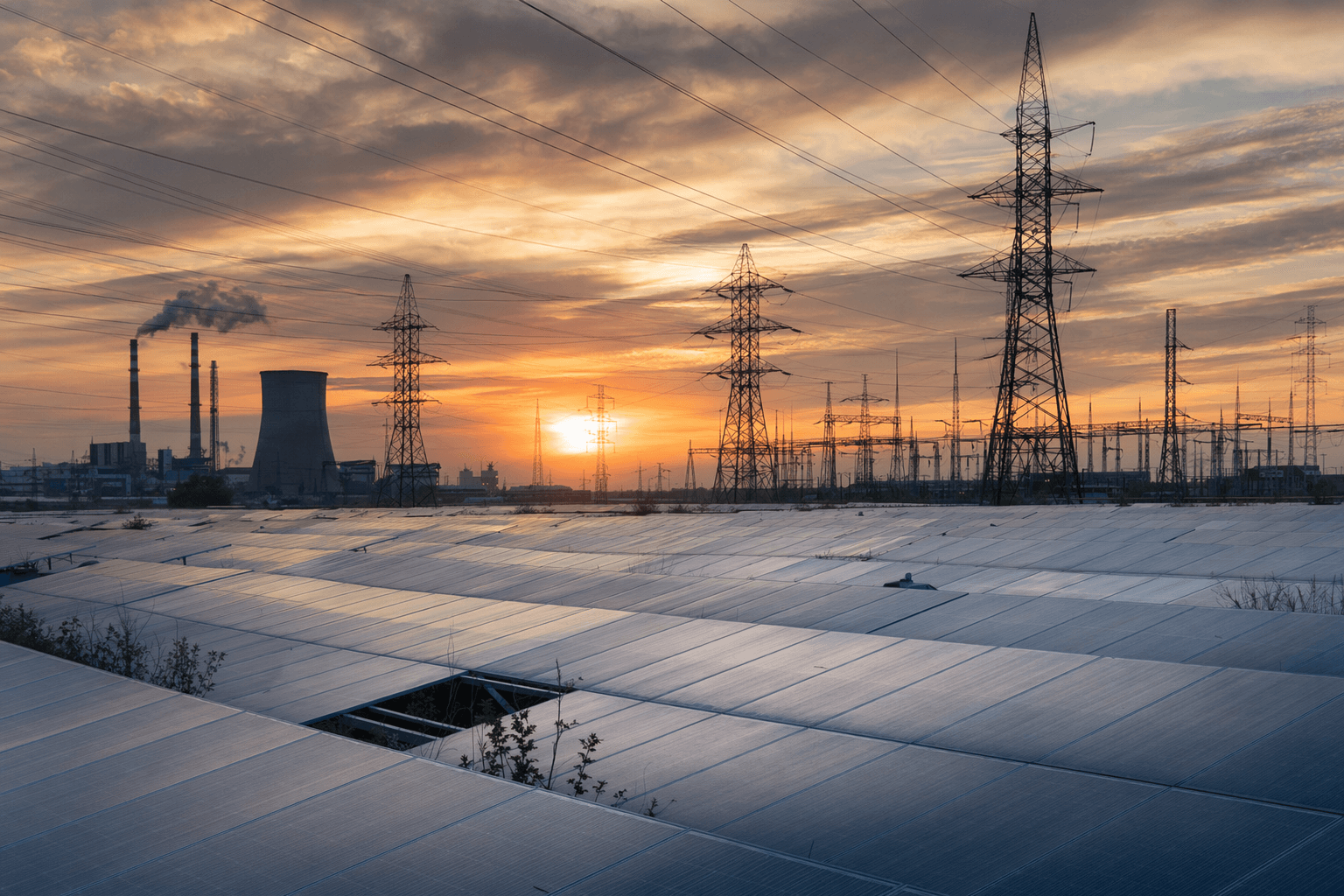
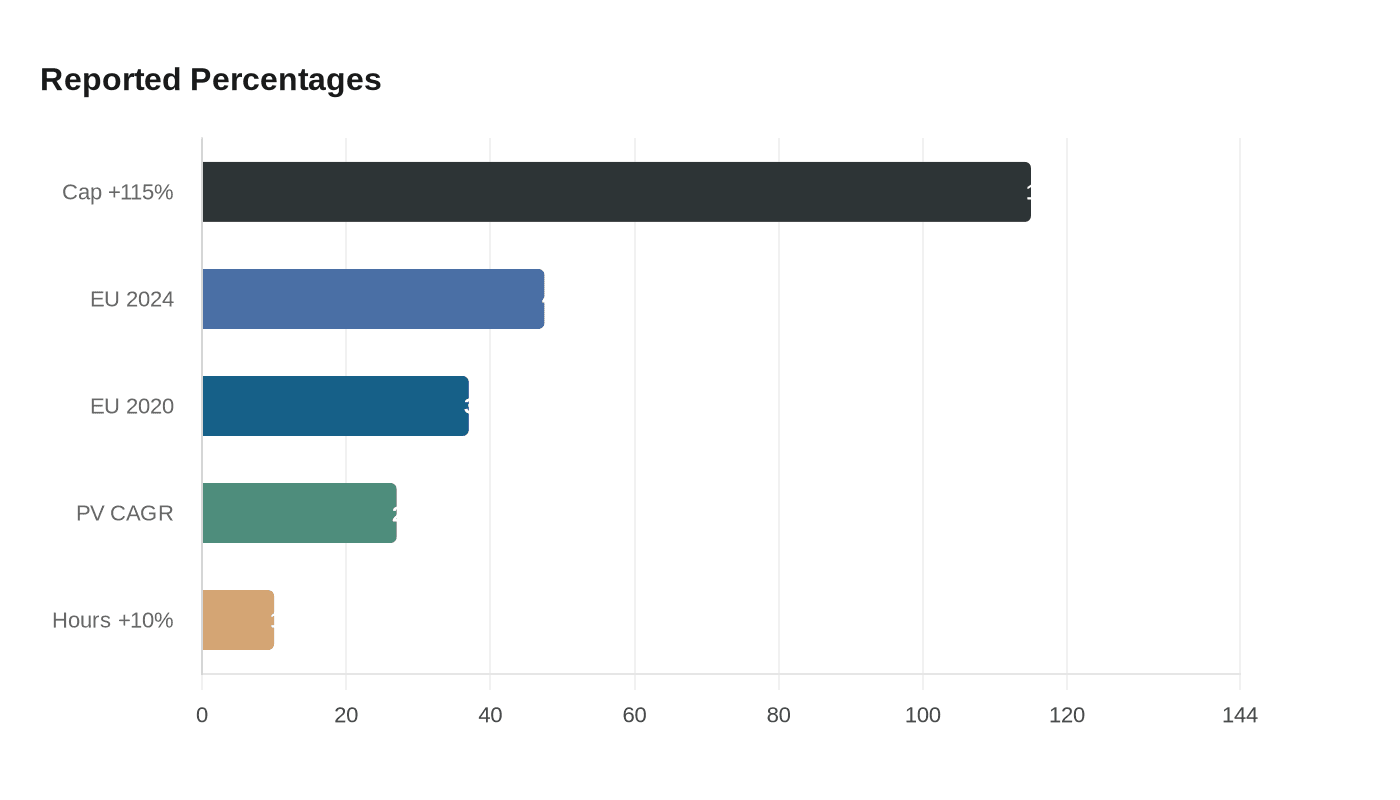
Europe’s solar buildout has become large enough to unsettle the electricity system it was meant to clean up. Capacity has risen by more than 115% since 2020, and the flood of midday power is now driving price volatility, negative-price episodes and fresh pressure on grid operators across the continent.
Germany is at the center of the shift. In April, solar supplied a third of the country’s utility-supplied electricity, a record share for that month, even before the summer peak arrives. Several markets, including Germany, Poland, the Czech Republic and Hungary, are set to see negative electricity prices, a sign that output is increasingly outrunning demand when the sun is strongest.
The broader numbers show how fast the transition has moved. The European Commission says renewables accounted for 47.5% of EU gross electricity consumption in 2024, and the bloc expects the renewable share of electricity production to rise from 37% in 2020 to more than 60% by 2030. That pace has helped cut fossil dependence, but it has also exposed a harder problem: how to absorb variable power without breaking market logic or overloading networks.
ACER, the EU energy regulator, said frequent negative electricity prices were reported across the bloc in March 2024. It also said congestion-management costs in the EU power grid reached €4 billion in 2023, while a 2024 report found a 10% rise in hours of mostly non-responsive generation last year. As more solar and wind come online, those figures point to a system under strain not from scarcity, but from oversupply and inflexibility.
Brussels has started to respond. The European Commission’s electricity-market reform was designed to reduce exposure to high and volatile prices, while promoting power purchase agreements, two-way contracts for difference and energy-sharing agreements. SolarPower Europe went further in a November 2025 flexibility strategy paper, arguing for a dedicated EU-wide push on battery storage and demand response.
Germany shows why that matters. Clean Energy Wire reported that solar fed 71 TWh into the German grid in 2025, overtaking lignite-fired generation for the first time. Fraunhofer ISE says the flexible integration of volatile electricity becomes more important as solar and wind capacity grow, and notes that PV installations posted a compound annual growth rate of about 27% between 2014 and 2024. Europe’s next energy test is no longer just building more clean power, but making sure the grid can carry it.
This article was produced by Prism’s automated news system from verified source data, official records, and press releases, then run through automated quality and moderation checks before publishing. The system is built and supervised by the people who set the standards it runs under. Read our full AI policy.
Did this article answer your question?

%3Amax_bytes(150000)%3Astrip_icc()%2FCertificate-of-deposit-2301f2164ceb4e91b100cb92aa6f868a.jpg&w=1920&q=75)
