Eurovision faces historic boycott as broadcasters protest Israel’s participation
Broadcasters in Ireland, Spain, the Netherlands and Slovenia are threatening a boycott, forcing Eurovision to defend its neutrality as it heads to Vienna.
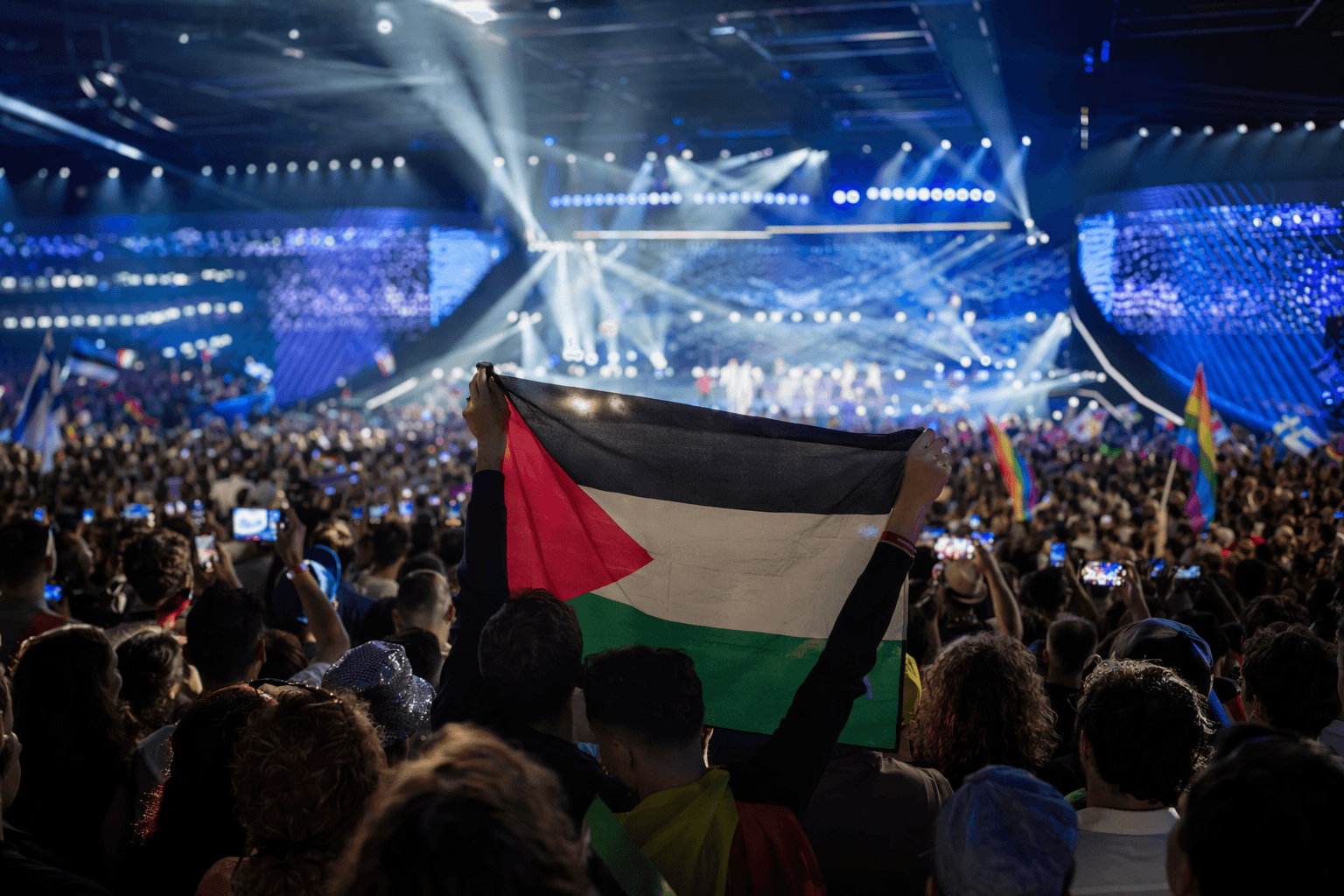
Eurovision’s claim to be apolitical is colliding with a membership revolt that could reshape the contest’s rules, its broadcasters and even its identity. The European Broadcasting Union said a large majority of members backed moving ahead with Eurovision 2026 with additional safeguards, but the dispute over Israel’s participation has already become the contest’s deepest legitimacy crisis in decades.
The 70th Eurovision Song Contest is scheduled for Vienna, Austria, on May 12, 14 and 16, 2026, with ORF set to host at the Wiener Stadthalle. That plan now sits alongside a widening boycott threat from broadcasters in Ireland, the Netherlands, Slovenia and Spain, all of whom have said they will not take part if Israel remains in the competition. RTÉ went further, saying it would not participate in or broadcast Eurovision 2026 if Israel is admitted.
Spain’s RTVE marked a sharp escalation in September 2025 when its board voted by absolute majority to withdraw if Israel participates, making Spain the first Big Five broadcaster to take that position. RTVE said the decision was based on the war in Gaza, while confirming that Benidorm Fest would continue. In the Netherlands, AVROTROS said it would not participate while Israel remains admitted by the EBU, citing severe humanitarian suffering in Gaza, restrictions on press freedom and political interference. The EBU said it respects each member’s right to decide whether to participate and hopes non-participating members will return soon.
The dispute has also spilled into the contest’s voting system. In November 2025, the EBU overhauled Eurovision’s voting rules, saying it wanted to strengthen trust and transparency and curb disproportionate third-party influence, including government-backed campaigns. That change underscores how the fight over Israel has shifted from a dispute over one entry into a broader question about who gets to shape the contest’s legitimacy, how votes are protected and whether the EBU can still enforce a neutral framework across 70 years of political tension.
Israel first entered Eurovision in 1973 because its broadcaster was an EBU member, and that history now sits at the center of the current standoff. With the Vienna shows approaching, the EBU is trying to preserve a pan-European event built on shared rules, while several of its most prominent broadcasters are challenging whether those rules can still command consent.
This article was produced by Prism’s automated news system from verified source data, official records, and press releases, then run through automated quality and moderation checks before publishing. The system is built and supervised by the people who set the standards it runs under. Read our full AI policy.
Did this article answer your question?