Everglades Literacy curriculum expands in Monroe County schools
Everglades Literacy brought free K–12 curriculum and teacher training to Monroe County schools, linking restoration science to local water supply and fisheries.
.png&w=1920&q=75)
Monroe County classrooms have recently become access points for a statewide Everglades education push, as the Everglades Literacy program rolled out free K–12 curriculum and teacher professional development locally. The initiative, led by the Everglades Foundation’s education team under director Bianca Cassouto, aims to connect classroom science to real-world concerns for Keys residents including drinking-water supply, regional ecology, and downstream impacts on fisheries and coastal communities.
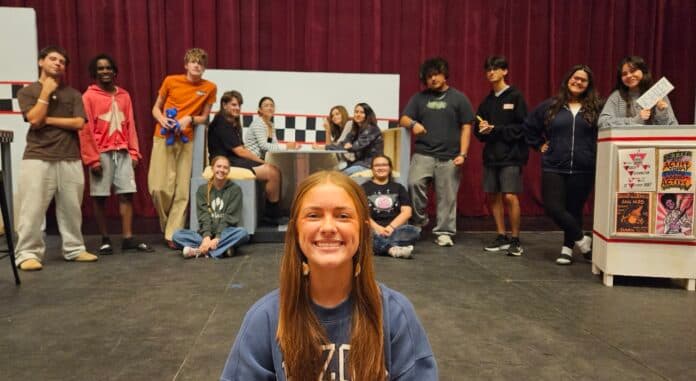
The program reported reach to thousands of teachers across Florida and identified multiple Monroe County schools as local champions for classroom and community engagement. Those champion schools serve as hubs for teacher training and family-oriented science activities designed to translate restoration science into lessons that affect everyday life on the islands - from freshwater management to the health of nearshore fisheries that support local commercial and recreational livelihoods.
For local governance and public policy, the school-based outreach carries implications beyond science education. When students and families gain a clearer understanding of why Everglades restoration matters for tap water and coastal fisheries, that knowledge can reshape civic priorities and voting patterns on funding measures, infrastructure projects, and water management decisions. Educators trained by the program may also influence school board discussions about curriculum priorities and local partnerships, creating institutional pressure for elected officials and county agencies to align policy with science-based restoration goals.
Institutionally, the Everglades Literacy effort functions as a bridge between a nonprofit education program and public schools. By offering professional development to teachers, the Foundation is positioning classroom instruction to feed local civic awareness. The presence of champion schools in Monroe County suggests an organized local network that can amplify family engagement activities and community events tied to restoration milestones, permitting processes, and planning decisions that affect Keys residents.

For residents, the immediate impacts are practical: classroom lessons that explain how upstream water management affects island taps, and family resources that provide hands-on ways to track water quality and habitat health. For the local economy, better-informed residents may press for policies that protect fisheries and shorelines, influencing council agendas and regional water management priorities. Over time, education-driven civic engagement could alter the policy environment for restoration funding and infrastructure choices that determine how resilient the Keys will be to future water and ecological stressors.
Readers should expect to see program activities through participating Monroe County schools and in community outreach events this year. Monitoring how local schools integrate the curriculum and how elected officials respond will indicate whether classroom learning translates into sustained civic action and policy change for the Keys.
Sources:
Know something we missed? Have a correction or additional information?
Submit a Tip