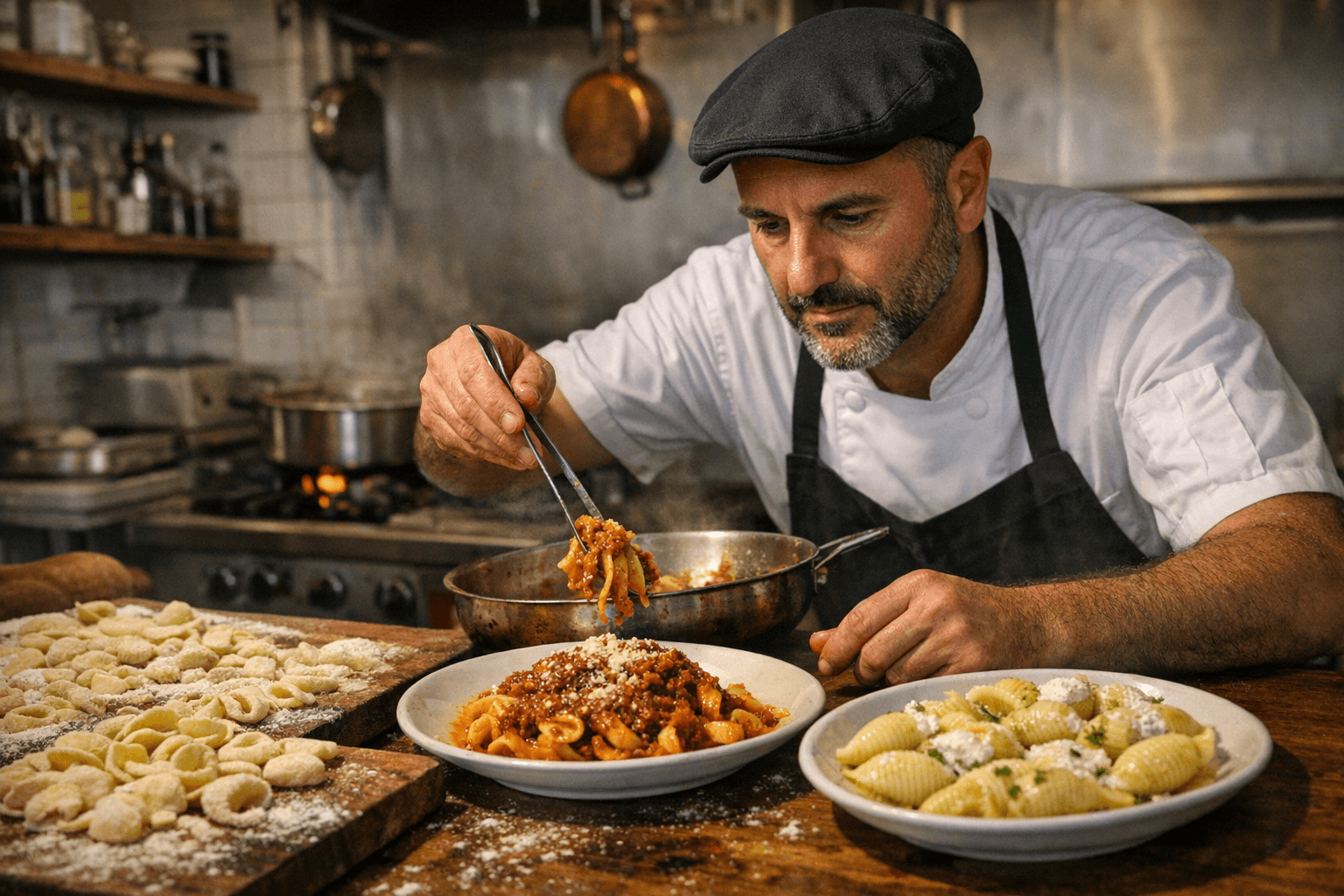
Resource Guide for Pasta Hobbyists: Communities, Courses, Tools, Safety
This resource compiles active communities, courses, tools, and safety tips for people learning pasta-making, helping you connect, learn, and choose the right equipment.
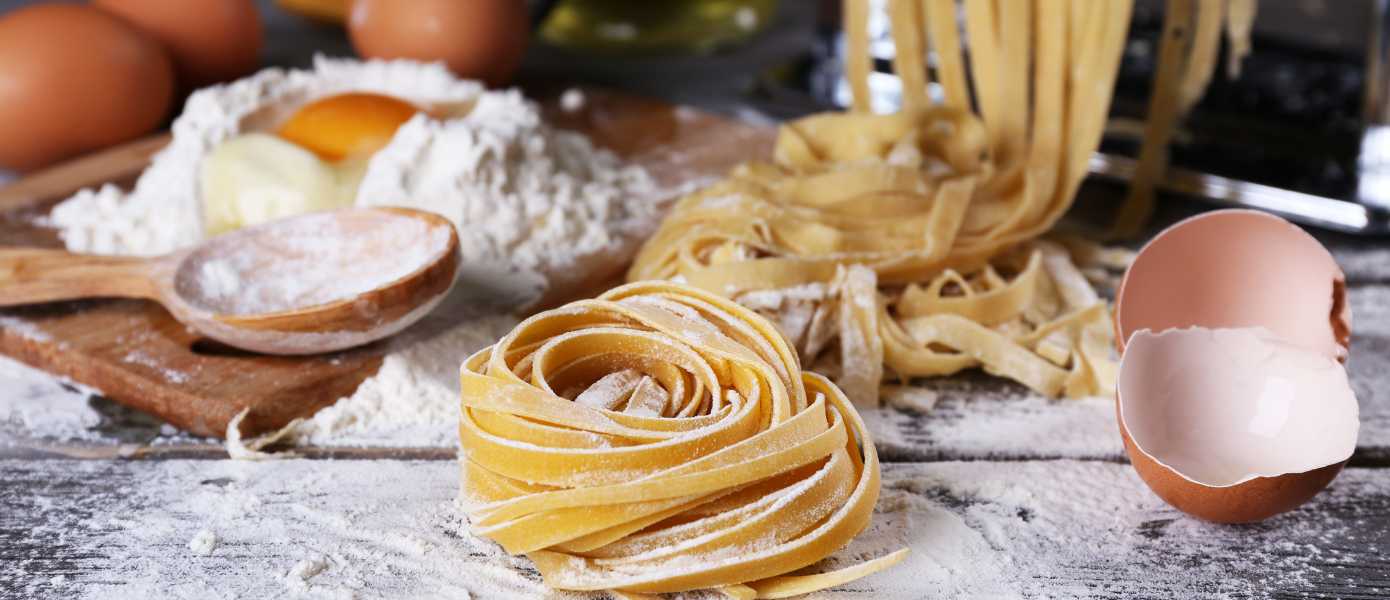
r/Pasta, The Fresh Pasta Forum, and Facebook groups focused on sfoglina and sfoglino techniques are the busiest meeting places for people learning to roll, cut, and extrude pasta. These online hubs trade recipes, troubleshooting tips, and local meetups, and they are a fast way to get feedback on dough hydration, semola rimacinata usage, or a question about '00' blends.
For structured learning, pursue AVPN-sanctioned courses through local AVPN affiliates for formal technique and certification, or opt for MasterClass and online chef workshops for flexible instruction. Hands-on training remains essential for mastering hand-rolling and dough handling, so check offerings from Eataly, The Cookery, Central Market, and neighborhood culinary schools; these venues emphasize tactile practice and plate presentation that translate directly to home kitchens.
Video content fills the gap between classes and community advice. Reputable chef channels on YouTube demonstrate both hand-rolling and extruded pasta techniques, and searchable channel lists make it easier to find step-by-step demonstrations. FoodTok creators provide quick recipes and small experiments that are useful for weeknight practice and testing new flavor combinations, but treat short-form videos as inspiration rather than definitive technique.
Tool choices shape what you make and how often you make it. Entry-level pasta machines are a sensible starting point for learning sheet-rolling and basic shapes, while extruders open options for short and extruded pastas. Drying racks are an inexpensive way to expand fresh-batch yields. For flour, seek semola rimacinata and '00' blends; many specialty online retailers and marketplaces sell small quantities for hobbyists who do not want wholesale sacks. Compare motorized versus manual extruders only after testing hand-rolling skills, since each path has different space and cleaning demands.
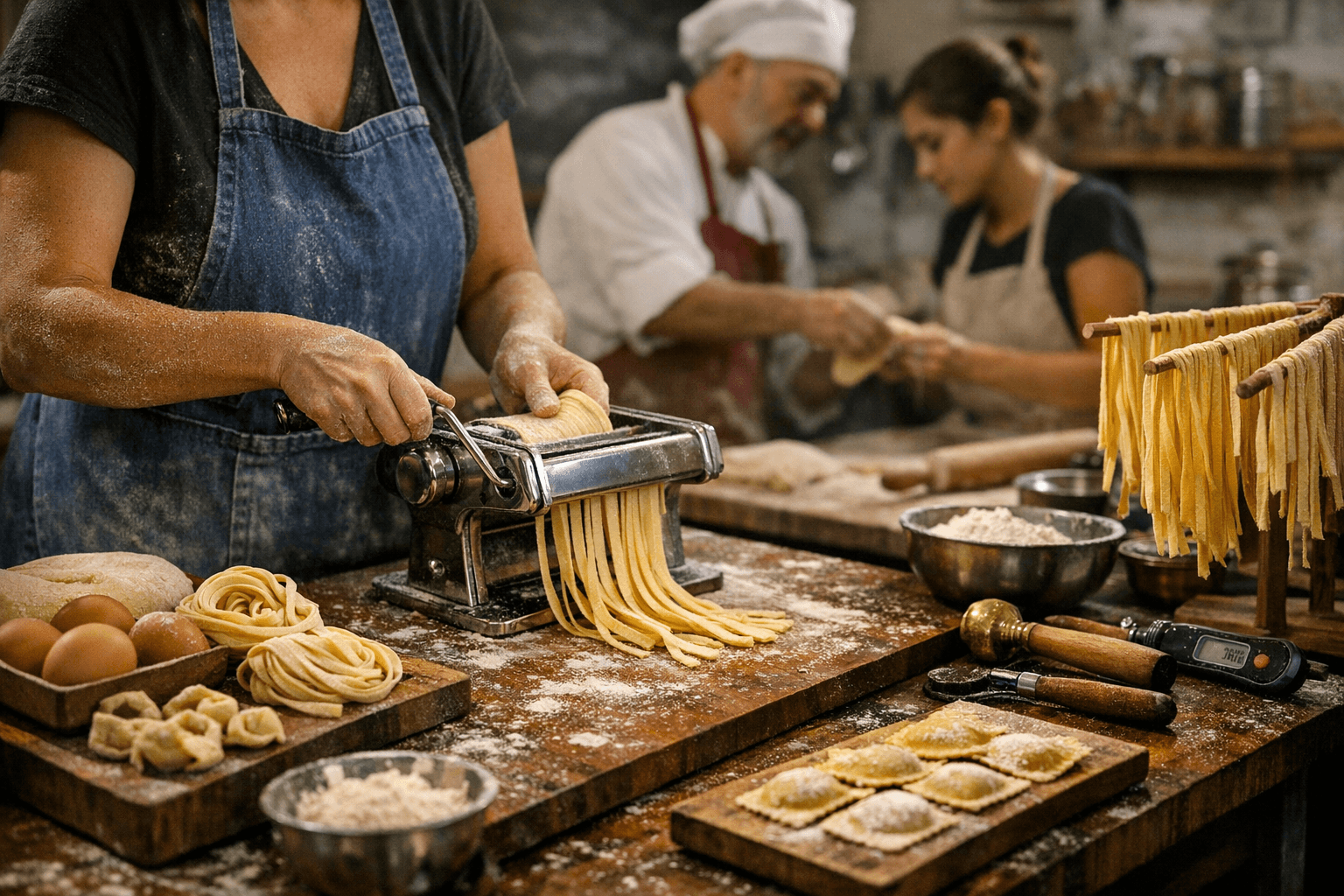
Food safety and storage matter whether you are prepping for one family meal or a plate-sharing event. Dry pasta thoroughly before long-term storage, freeze fresh pasta in portioned batches after flash-freezing on trays, and label containers with dates and ingredients. Be explicit about allergens during group classes and shared meals, and maintain standard food-safety hygiene when handling eggs and high-moisture dough.
This collection of communities, courses, tools, and practical safety notes lets you choose a learning pathway that fits your time, budget, and palate. Start by joining an online forum to test questions, book a single hands-on class to feel the dough, and then decide whether a roller or an extruder will get you to the kinds of noodles you enjoy making most.
Know something we missed? Have a correction or additional information?
Submit a Tip