Evidence-Focused Ice Bath Guide Lays Out Safe Tactical Protocols
An evidence-focused guide synthesizes clinical guidance and sport-science literature to give clear, practical protocols for ice baths and cold-water immersion. The guide maps temperature and time to common goals, flags medical contraindications and training interactions, and offers an actionable decision framework for safe, effective use.

A new evidence-focused guide for ice baths translates clinical guidance and peer-reviewed sport-science into tactical, easy-to-follow protocols for community users. The document prioritizes safety and goal-driven application, advising specific temperature and time ranges, clear cautions for people with medical conditions, and practical steps for planning and periodizing cold exposure in training programs.
For beginners, the guide recommends starting in the 50–59°F range for 1–3 minutes to gain acclimation and basic recovery benefits without excessive physiological stress. Experienced users targeting short, intense recovery windows may use colder ranges with brief exposures up to about five minutes, and they should do so with supervision and careful monitoring. The guide emphasizes that cold immersion immediately after strength or hypertrophy sessions can blunt training adaptations, so timing within a training block must be deliberate rather than reflexive.
Safety guidance is front and center. The cold shock response can cause gasping, rapid heart rate and blood-pressure spikes on initial immersion, creating acute risk for people with cardiovascular disease, uncontrolled hypertension, or certain blood and cold-sensitivity disorders. The guide advises against unsupervised plunges, recommends setting a visible thermometer and a timer before entry, and stresses that someone should be present to assist if needed. Rewarming logistics are covered: dry off and layer up promptly; pairing with a sauna is common but tolerance varies and should be individualized.

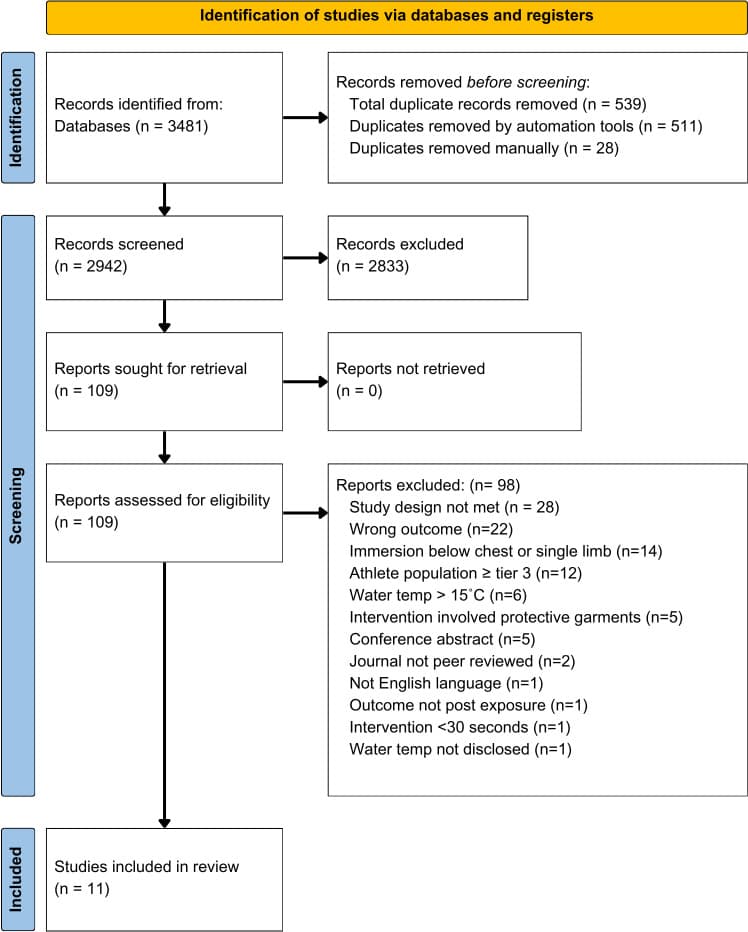
Practical value for the community comes from a decision framework that matches temperature and time to objective, provides clear contraindications, and encourages periodization of cold exposure within broader training and recovery plans. The guide draws on meta-analyses and clinical guidance from major medical centers to back its protocols, while translating that evidence into tactics community users can implement at home, gyms or local recovery centers.
For accessibility, the guide keeps equipment requirements simple: a reliable thermometer, a timer, and a companion or supervisor. It also recommends consulting a healthcare professional if there is any question about cardiovascular risk or chronic conditions before beginning a program of regular cold immersion. By combining evidence with straightforward practice steps, the guide aims to make ice baths safer, more effective and more approachable for people pursuing recovery, performance or general wellness.
Sources:
Know something we missed? Have a correction or additional information?
Submit a Tip