Ex-Italy rail chief begins prison term over deadly Viareggio derailment
Mauro Moretti surrendered to prison 17 years after the Viareggio blast, closing one chapter in a case that killed 32 and exposed Italy’s slow corporate accountability.

Mauro Moretti turned himself in Thursday night to begin serving a five-year prison term for the Viareggio train disaster. The former Ferrovie dello Stato chief was held responsible in the final phase of the legal battle.
The derailment happened shortly before midnight on June 29, 2009, at Viareggio railway station in Tuscany, when freight train 50325 carrying 14 tank wagons of liquefied petroleum gas left the tracks and exploded. Thirty-two people were killed and 26 were injured. Investigators linked the derailment to a defective axle, and the blast tore through the station area and nearby buildings.
Moretti was chief executive of Ferrovie dello Stato at the time of the crash. He received a seven-year sentence in 2017 after the original trial, but he did not go to prison then because Italian sentences are rarely enforced before appeals are exhausted. The case moved through successive levels of review until the convictions became definitive in June 2026, after the Court of Cassation had already confirmed criminal liability and then finalized the sentencing stage.
Families of the victims followed the appeals process closely and remained a visible presence in court. In 2025, some family members shouted at Moretti as he left court. The city also sustained a long-running victims’ association, with solidarity from railway workers.
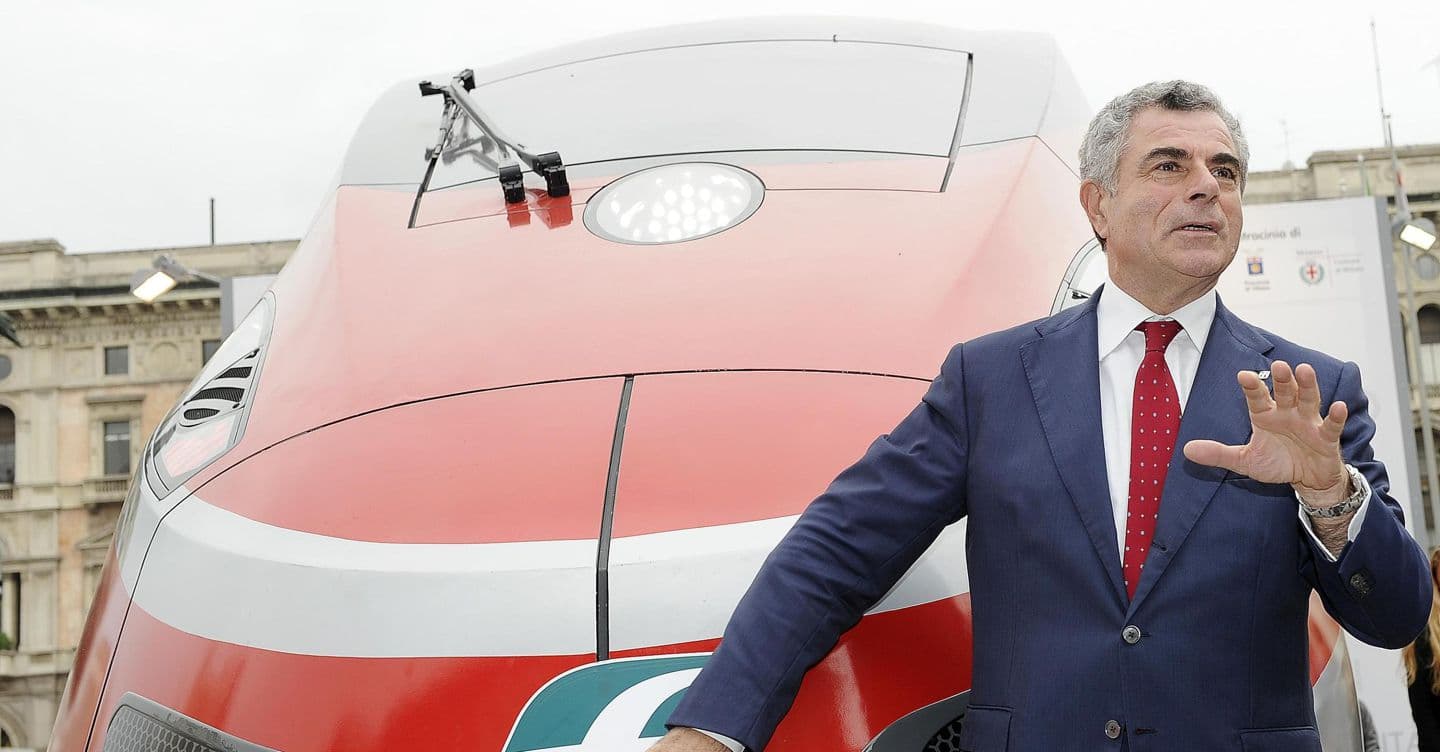
Moretti later left Ferrovie dello Stato in 2014 and went on to lead the state-controlled defense group Finmeccanica, later renamed Leonardo, until 2017, the year of his first conviction. His case has often been placed alongside the Morandi bridge collapse in Genoa, where 43 people died and prosecutors later sought an 18-year-and-6-month sentence for former Atlantia chief Giovanni Castellucci.
This article was produced by Prism’s automated news system from verified source data, official records, and press releases, then run through automated quality and moderation checks before publishing. The system is built and supervised by the people who set the standards it runs under. Read our full AI policy.
Did this article answer your question?