Ex-U.S. Energy Official Warns Oil Market Faces Shock as Mideast Conflict Widens
Former U.S. energy official Randa Fahmy warns the oil market is "in for a shock" as widening Mideast conflict puts two critical shipping chokepoints at risk.
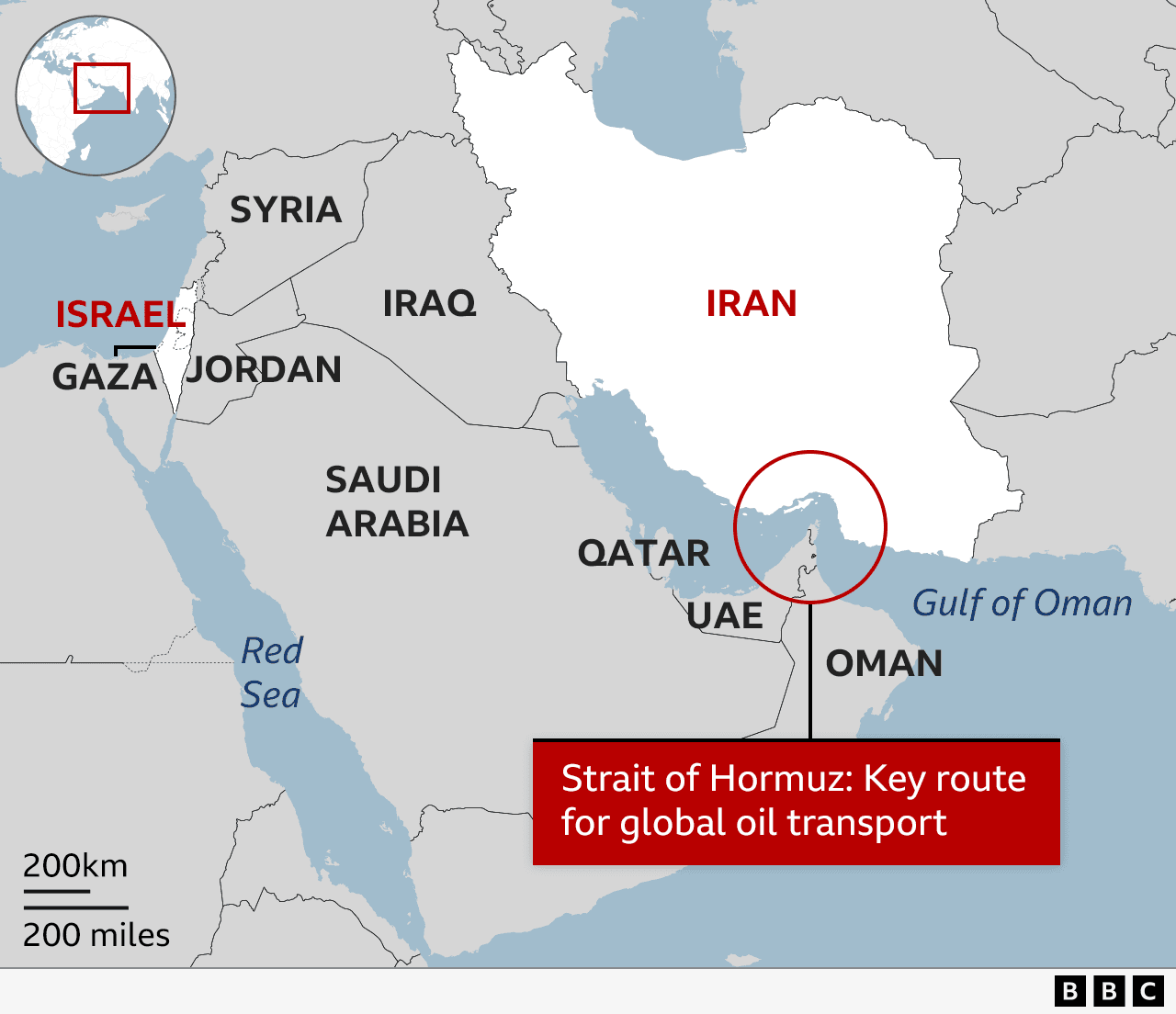
Brent crude closed just above $108 a barrel last Thursday, its sharpest weekly surge in months, as war in the Middle East tightened its grip on the two maritime bottlenecks that together funnel a quarter of the world's seaborne oil supply. Randa Fahmy, a former U.S. associate deputy energy secretary, told Bloomberg that the pressure building around those chokepoints could be only the beginning. The oil market, she said, is "in for a shock."
Fahmy's warning centers on the Strait of Hormuz and the Bab el-Mandeb, two narrow waterways where geography and geopolitics are colliding in ways that energy traders cannot easily hedge. The Strait of Hormuz, the roughly 100-mile passage between Iran and Oman, carried nearly 15 million barrels of crude per day in 2025, representing about 34 percent of all global crude oil trade. The Bab el-Mandeb, the 16-mile gap separating the Arabian Peninsula from the Horn of Africa, moves an additional 4.8 million barrels daily and serves as the southern gateway to the Suez Canal. Traffic through both corridors has become increasingly fraught since hostilities escalated in late February.
The specific threat Fahmy identified is Iran and its aligned proxies, particularly Houthi militants in Yemen, consolidating leverage over both passages simultaneously. Houthi forces now possess Iranian-supplied anti-ship ballistic missiles with a 200-kilometer range, sea-skimming cruise missiles, and one-way attack drones capable of striking vessels anywhere in the southern Red Sea. Their proximity to the Bab el-Mandeb means a coordinated move to interdict that strait, combined with any Iranian action to restrict the Strait of Hormuz, would leave tanker operators with one costly alternative: rerouting around Africa's Cape of Good Hope.
That detour is not hypothetical. It is already happening, and it is expensive. Rerouting around the Cape of Good Hope adds roughly 10 to 14 days to voyage times and increases fuel costs by nearly $2 million per trip, a burden that shipping operators pass directly to buyers. Spot container rates on major trade lanes have surged approximately 150 percent since the conflict intensified in late February, with Asia-to-U.S. West Coast rates climbing above $4,500 per 40-foot container from a pre-crisis range of $1,800 to $2,200. Economists tracking supply chains note the full price transmission from shipping contracts to retail shelves typically runs on a 90-to-180-day lag, meaning March's freight spike could be visible to American consumers by midsummer.
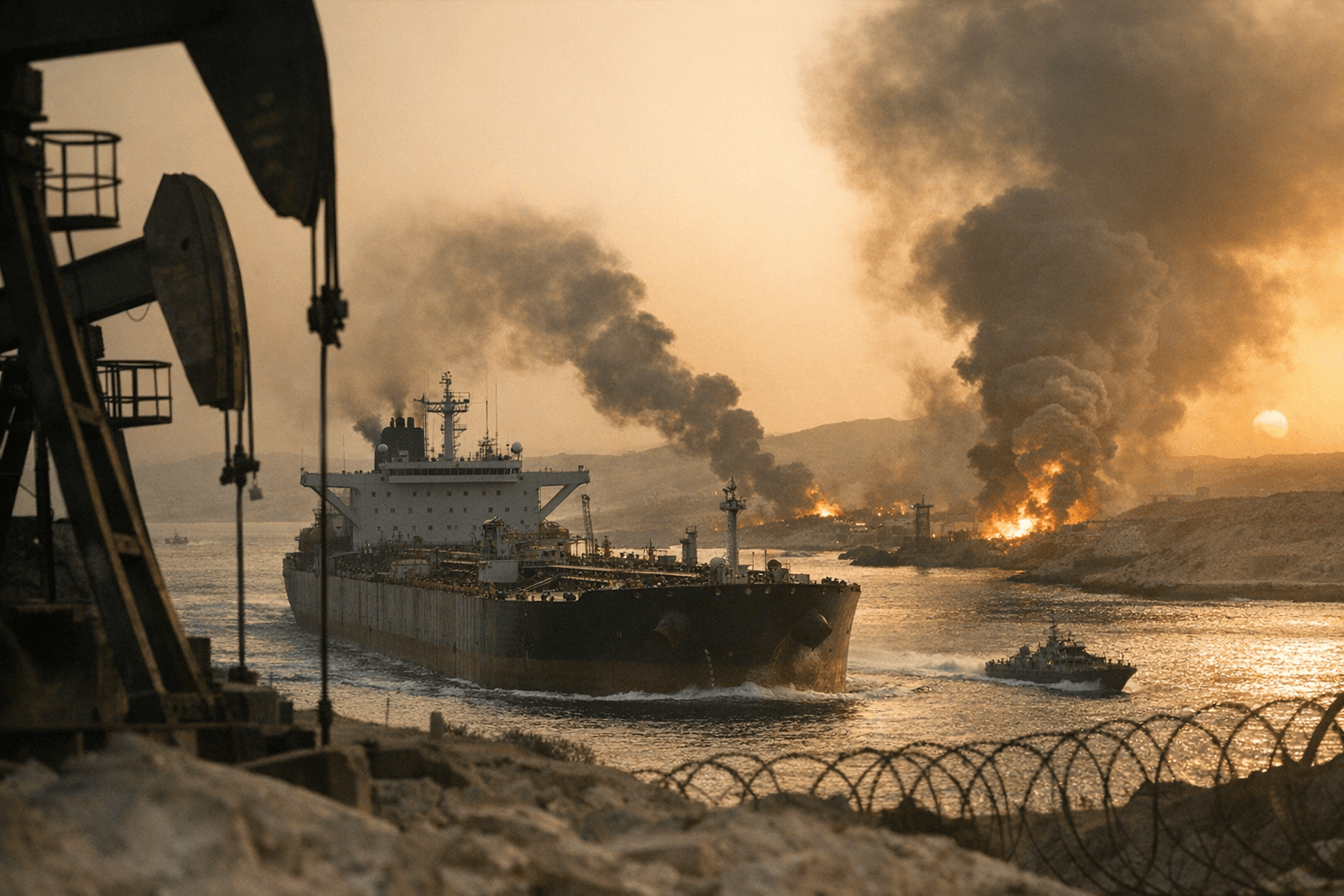
The chain from crude to kitchen table is shorter than most shoppers realize. A sustained rise in Brent toward the $150 to $200 range that some Wall Street analysts are now modeling would flow within weeks into retail gasoline and diesel prices, then ripple outward into airline ticket surcharges, grocery delivery fees, and the cost of any product manufactured or shipped with petroleum-based energy. Diesel, the workhorse fuel for trucking, freight rail, and agricultural equipment, is the primary transmission belt: when diesel rises, nearly everything that moves or gets grown moves higher in price with it.
Policymakers have not waited. The United States and allied governments have released 400 million barrels from strategic petroleum reserves, described as the largest coordinated reserve draw on record, in an attempt to cushion the supply gap. Whether that buffer holds depends on how long the conflict persists. Fahmy's broader point is that the market's spare-capacity cushion, already thin after years of underinvestment in upstream production, may not be adequate for an extended disruption spanning both chokepoints at once. Energy companies and shipping operators are accelerating contingency plans, including rerouting, higher insurance coverage, and pre-positioning fuel inventories, but those measures are costly and can only partially offset what a sustained supply crunch would mean for inflation and central-bank policy in economies already navigating fragile macroeconomic conditions.
The conflict that began as a regional military crisis is now testing the architecture of global energy security at its most vulnerable seams.
This article was produced by Prism’s automated news system from verified source data, official records, and press releases, then run through automated quality and moderation checks before publishing. The system is built and supervised by the people who set the standards it runs under. Read our full AI policy.
Did this article answer your question?

