Exiles fear Pope Leo XIV visit will boost Equatorial Guinea regime
Exiles say a papal visit to a mostly Catholic nation could let Teodoro Obiang’s government cloak repression in legitimacy, even as rights abuses persist.
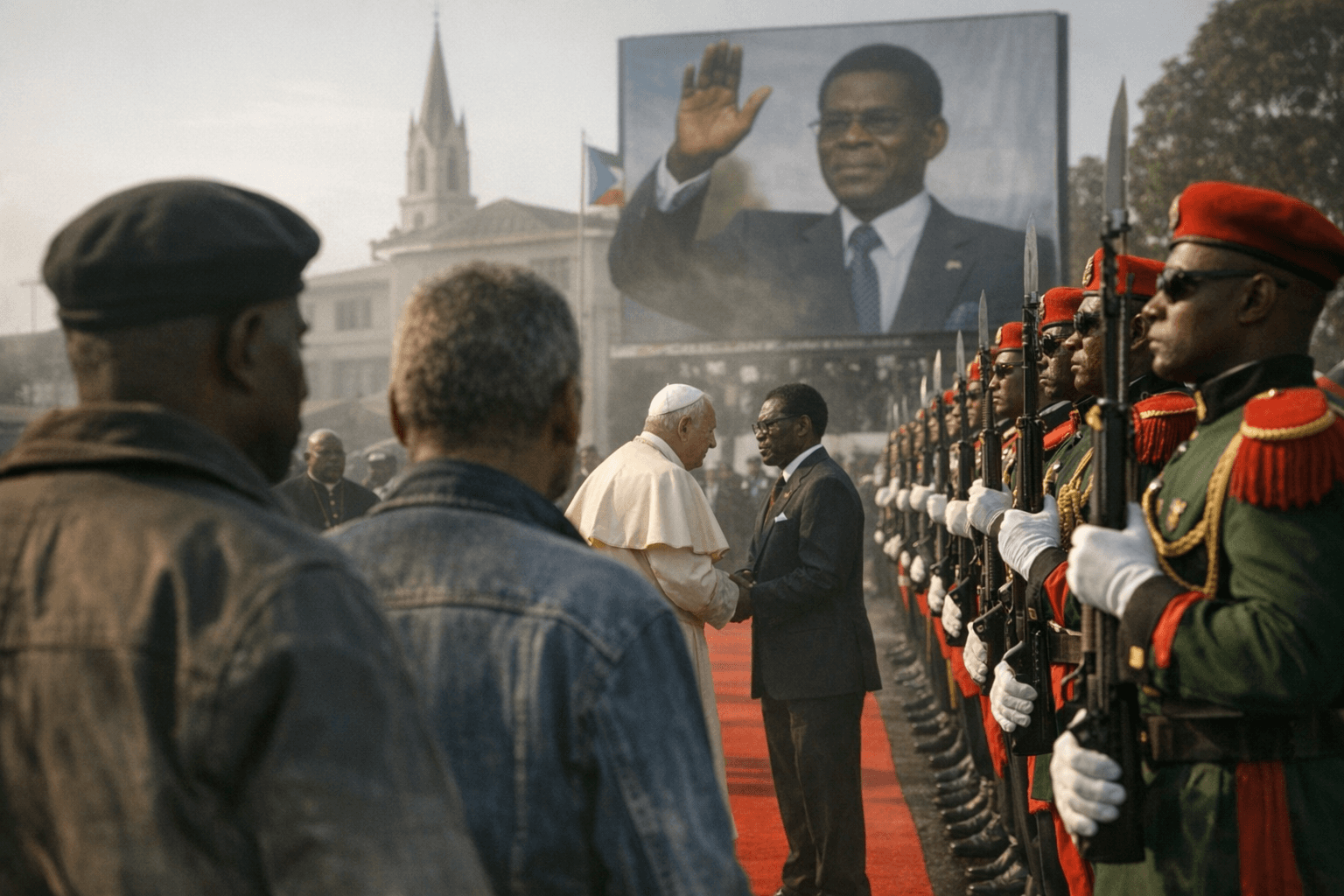
Exiles from Equatorial Guinea warned that Pope Leo XIV’s visit could be turned into a public relations victory for Teodoro Obiang Nguema Mbasogo, the president who has held power since 1982 and is Africa’s longest-serving leader. Gutïn Bae Tongala, a 59-year-old cook from Annobon who left for Spain in 2002, said he blamed the ruling family for abuse of minority groups and a wider pattern of oppression.
Their fear landed in a country where the Vatican says 1,248,000 Catholics, or 74.78% of the population, lived as of Dec. 31, 2024. That gave the pope’s stop enormous symbolic force at the end of his four-nation Africa trip, which the Holy See scheduled for Algeria, Cameroon, Angola and Equatorial Guinea from April 13-23, 2026. Leo made Equatorial Guinea the final leg after earlier stops in Algeria, Cameroon and Angola.
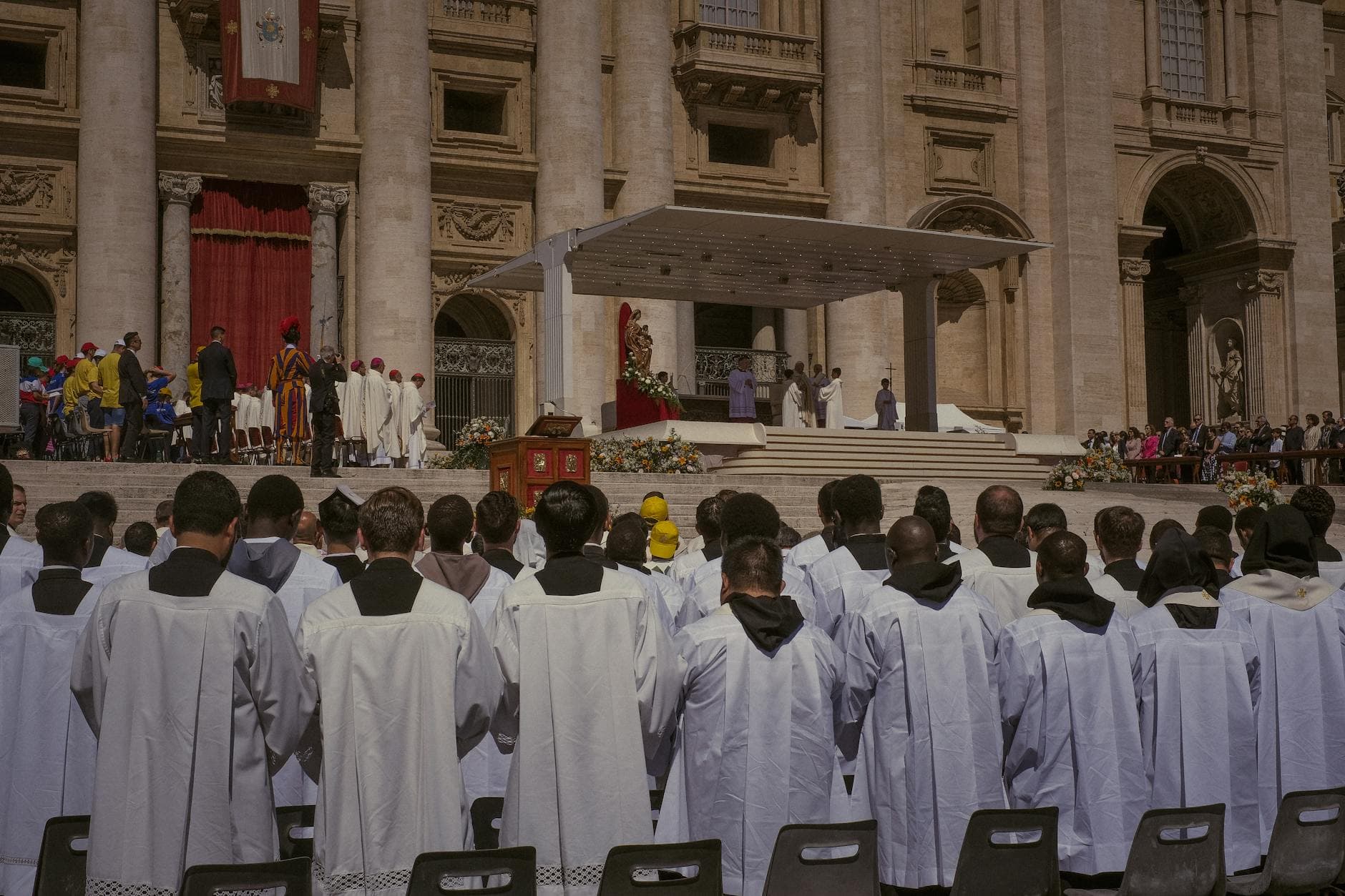
The pope did not arrive with a purely ceremonial message. During the trip, he denounced the “colonization” of Africa’s minerals and the “lust for power,” then pressed Equatorial Guinea to work for justice and to close the gap between the privileged and the disadvantaged. He also visited a prison in Bata and told inmates they were not alone, a gesture that renewed scrutiny of prison conditions in a country rights groups say has long silenced dissent.
That scrutiny is rooted in a long record. Freedom House describes Equatorial Guinea as a highly repressive authoritarian regime under Obiang since 1979, with oil wealth and political power concentrated in his family. The U.S. Department of State’s 2024 human rights report cited torture, arbitrary arrest or detention, censorship and transnational repression. Amnesty International said in 2025 that the fate of activist Joaquín Elo Ayeto remained unknown after his transfer to Oveng Azem prison in Mongomo.
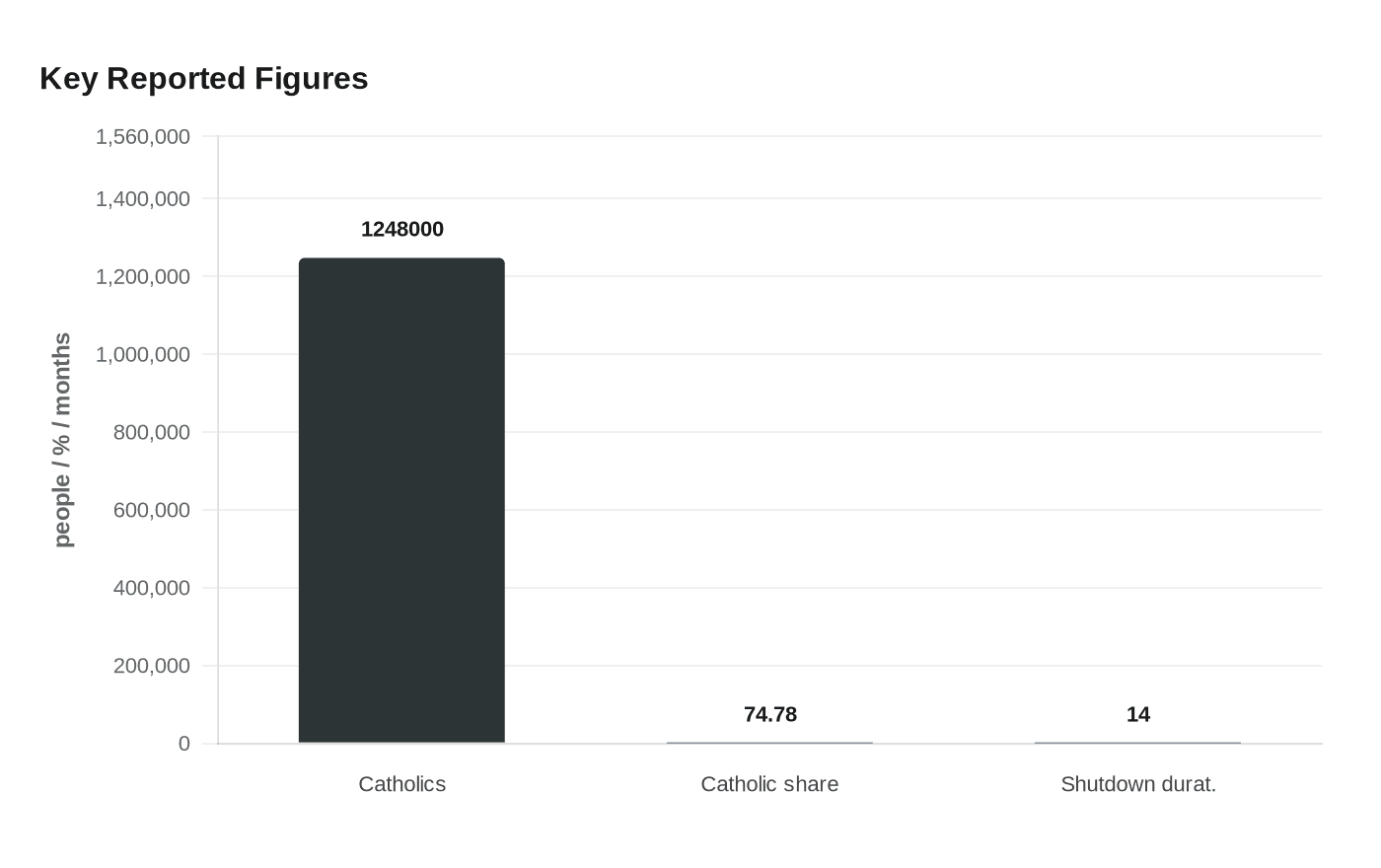
The pressure on the Vatican is sharpened by conditions on Annobon, where the Institute for Democracy and Electoral Assistance said authorities imposed an internet shutdown in July 2024 that had lasted 14 months by September 2025. Exiles and rights advocates said the blackout cut residents off from basic services and showed how tightly the state controls information. Their central warning was that a papal visit meant as pastoral outreach could still be repurposed by an entrenched government eager to present itself as respected abroad while maintaining repression at home.
This article was produced by Prism’s automated news system from verified source data, official records, and press releases, then run through automated quality and moderation checks before publishing. The system is built and supervised by the people who set the standards it runs under. Read our full AI policy.
Did this article answer your question?