Experimental pill shows promise against once-undruggable pancreatic cancer
A pill aimed at RAS nearly doubled survival in metastatic pancreatic cancer, turning a long-feared dead end into a real target.

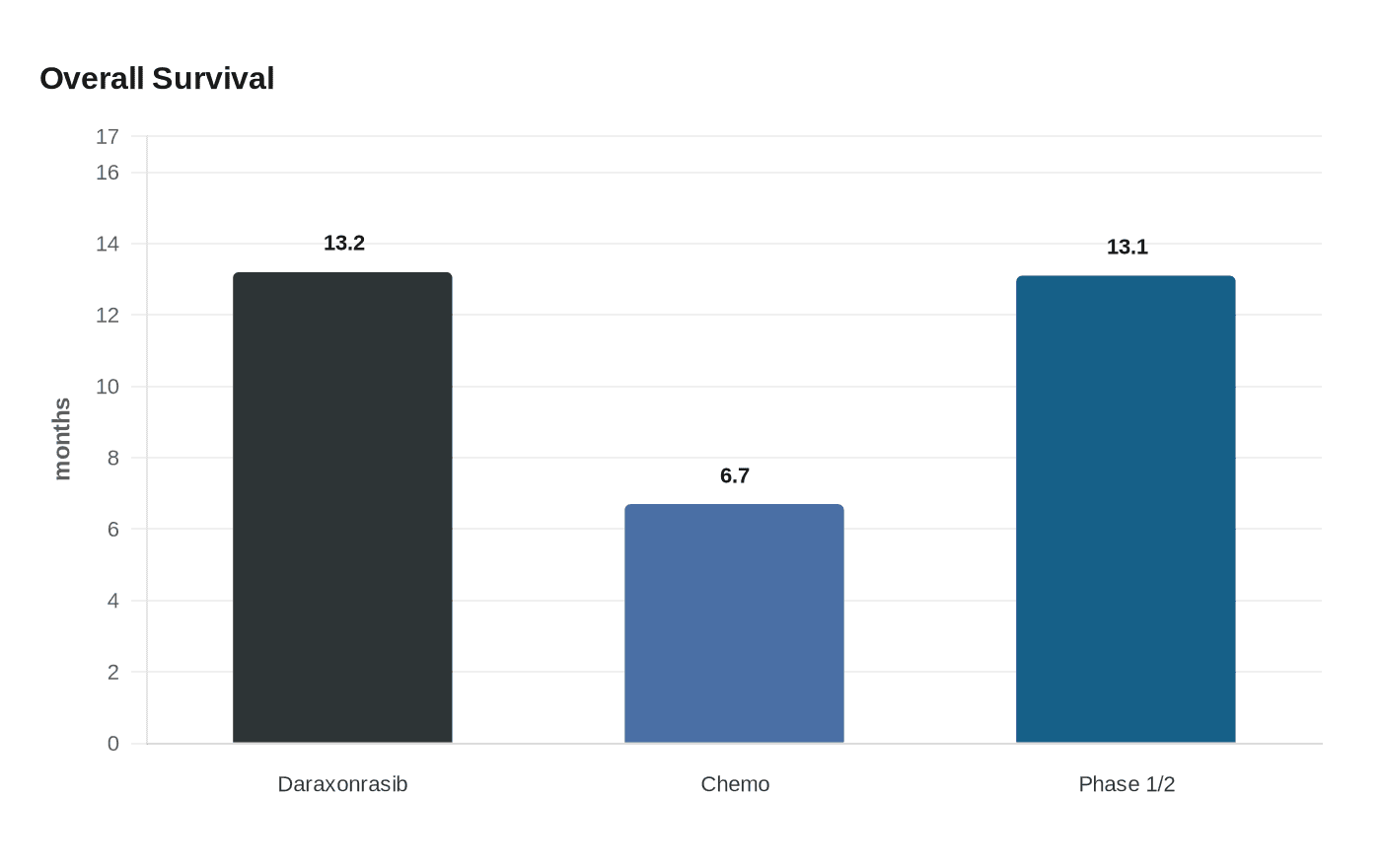
Pancreatic cancer became synonymous with “undruggable” for a reason: it is usually found late, it spreads fast, and more than 90% of tumors are driven by RAS mutations that had resisted direct attack for decades. Daraxonrasib is challenging that script by binding RAS in its active, GTP-bound state, and a phase 3 study in previously treated metastatic pancreatic ductal adenocarcinoma found a median overall survival of 13.2 months, compared with 6.7 months for standard chemotherapy.
The early evidence was strong enough to move the field. In a phase 1/2 trial of 168 patients with previously treated RAS-mutated pancreatic cancer, researchers reported antitumor activity and a safety profile they described as manageable. At the 300 mg dose chosen for later testing, 30% of patients had treatment-related side effects of grade 3 or higher, most often rash, diarrhea, nausea, mouth inflammation, vomiting and fatigue. Among 26 second-line patients with RAS G12 mutations, the objective response rate was 35%, and the median overall survival was 13.1 months.

That progress does not mean pancreatic cancer has suddenly become easy to treat. It means scientists may have found a biologically meaningful weakness in a disease long thought to have none, and they are now trying to turn that weakness into a usable pathway. The drug is still being tested in phase 3 studies, including RASolute 303 in untreated metastatic disease, and the program is moving through four global phase 3 trials in pancreatic and lung cancers. That is an important scientific foothold, but it is still a foothold, not a finished answer.

The policy and equity stakes are immediate. The Food and Drug Administration opened expanded access for previously treated metastatic pancreatic ductal adenocarcinoma, a step that may let some patients reach the drug before approval, but only through licensed physicians and only if they meet eligibility rules. That matters in a cancer that still has a five-year survival rate around 13%, and in which older adults or people with other medical problems may not be able to tolerate chemotherapy at all. For those patients, daraxonrasib represents hope, but also the familiar uncertainty of experimental oncology: promise now, proof later.
This article was produced by Prism’s automated news system from verified source data, official records, and press releases, then run through automated quality and moderation checks before publishing. The system is built and supervised by the people who set the standards it runs under. Read our full AI policy.
Did this article answer your question?