Expert clarifies cold plunge hype and practical safety limits
An internal medicine expert debunked common cold plunge myths and outlined who should avoid extreme exposures and how to plunge safely.
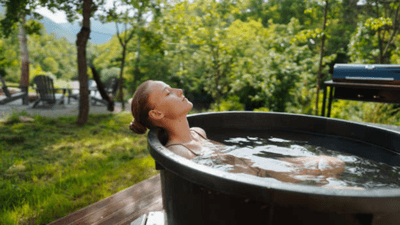
Cold water baths have graduated from backyard eccentricity to mainstream wellness ritual, but an internal medicine expert pushed back on the louder claims and laid out practical limits and cautions that matter to anyone sliding into a tub of ice.
The expert acknowledged real, short-term effects: cold exposure can sharpen senses, trigger an adrenaline spike, and leave you feeling unusually clear-headed. Those sensations fuel the post-plunge glow and make plunge culture addictive. But the expert also warned that many touted benefits are overstated. Brief cold exposures register as physiological reactions, not long-term immune strengthening. Sleep, nutrition, exercise and vaccinations remain the pillars of lasting health; routine cold baths, especially during winter, can increase fatigue and may even reduce immunity for some people.
Several common beliefs do not hold up. The notion that colder is always better ignores cardiovascular realities. Sudden immersion in extreme cold can sharply raise heart rate and blood pressure and cause serious complications for people with heart disease, diabetes, thyroid disorders, or uncontrolled hypertension. Cold does activate brown fat, but the calories burned are minimal — cold plunges are not a substitute for diet and exercise when the goal is fat loss.
Practical guidance matters more now that plunge tubs, DIY setups and social media challenges encourage longer and colder sessions. People with heart disease, uncontrolled hypertension, asthma, Raynaud’s, a history of fainting, severe anxiety, older adults, and others with significant medical risks should consult a physician before attempting cold exposures. Stop immediately if you feel dizzy, experience chest pain, or suffer severe discomfort.
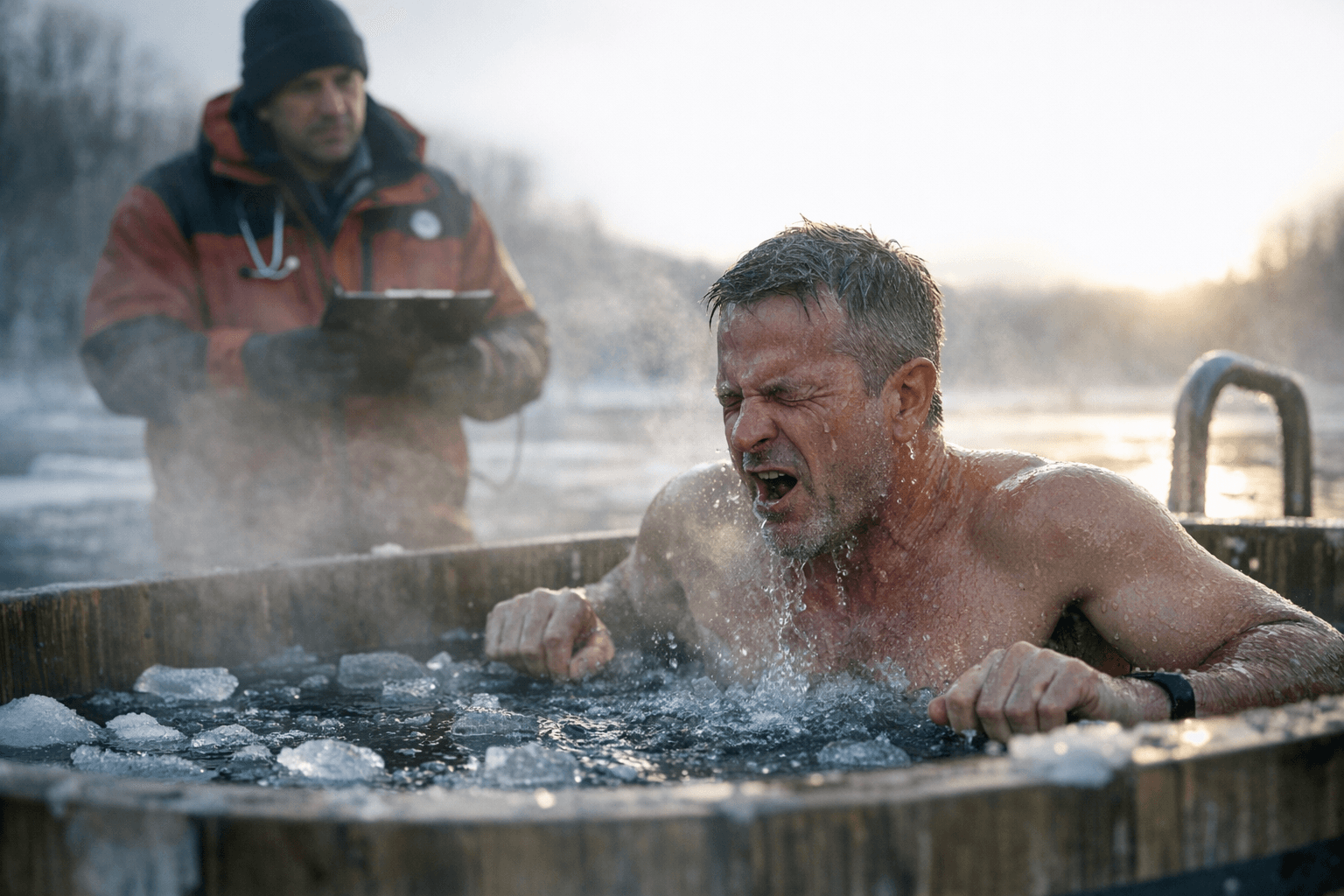
Safer approaches start small. Gradual exposure works: take a warm bath, then finish with a quick cool shower to build tolerance before attempting a plunge. Keep sessions short and schedule them earlier in the day when circulation and alertness reduce risks. Monitor heart rate and breathing; bring a sober buddy or observer for longer or colder sessions. Treat post-plunge recovery as part of the ritual — dry off, warm up deliberately, and factor in rest so you do not chase adrenaline with repeated plunges.
For the community that loves the challenge and ritual of cold therapy, the message is clear: respect the cold and respect your medical history. Plunge culture thrives on collective stories and shared tips, but personal limits vary and the most popular routines aren’t one-size-fits-all.
The takeaway? Start conservatively, check with your clinician if you have health concerns, and prioritize steady habits over headline-grabbing extremes. Our two cents? Chill for the benefits, not the bravado, and don’t let a viral trend outpace common sense.
Sources:
Know something we missed? Have a correction or additional information?
Submit a Tip