Expert consensus confirms cold plunges vital for rapid cooling and safety
Expert consensus reaffirms cold-water immersion as the preferred rapid cooling for exertional heat stroke and lays out practical safety and recovery best practices.
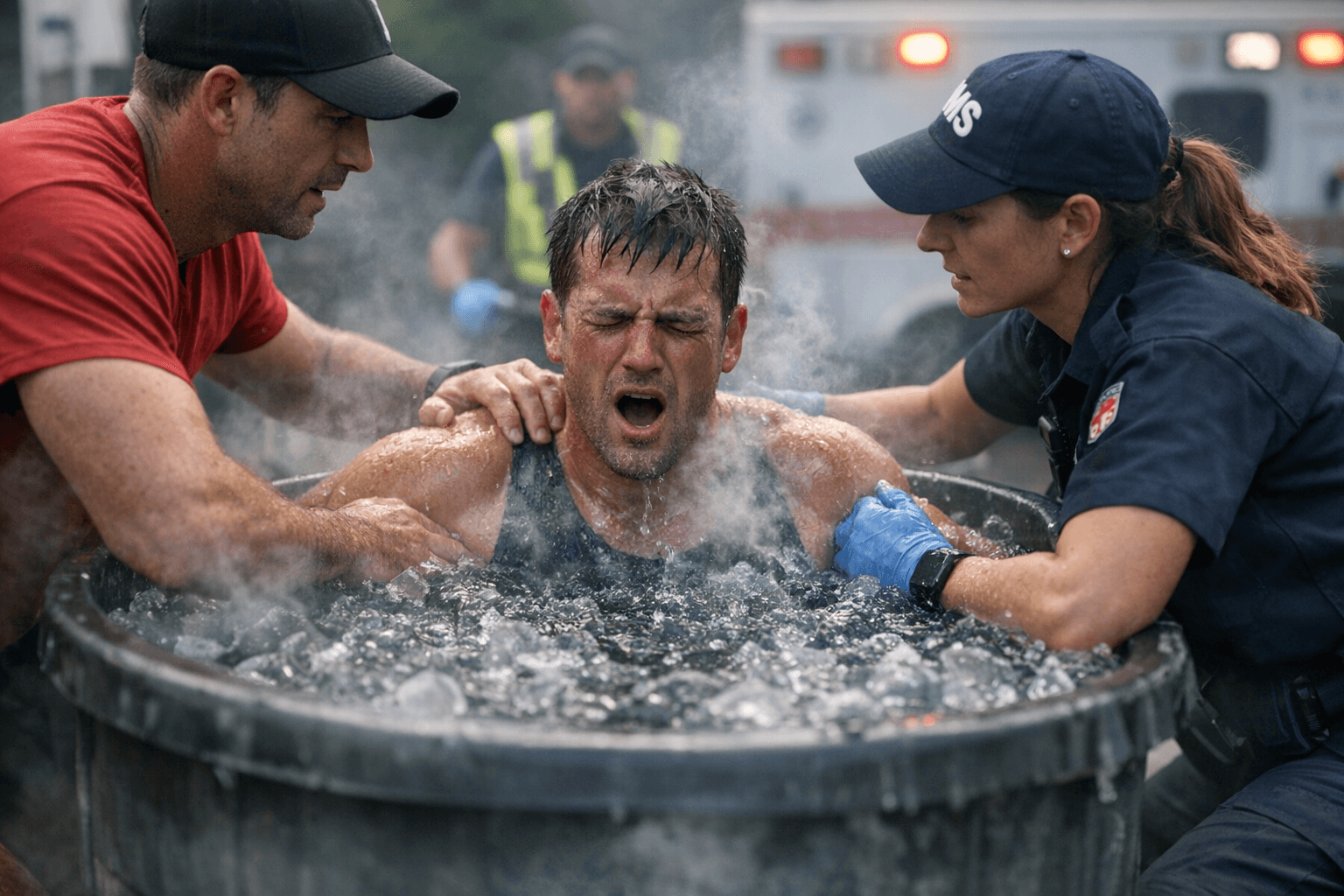
Expert consensus from sports medicine organizations has reconfirmed what many plunge communities already suspected: cold-water immersion is the preferred method for rapidly cooling people suffering exertional heat stroke, and safe deployment hinges on clear protocols, supervision, and emergency planning.
The guidance emphasizes that when rapid cooling is the goal - such as in exertional heat stroke - immersion in ice or cold water is the most effective intervention. That makes proper set-up essential where events, team practices, or community cold-plunge gatherings take place. Organizers and operators should prepare immersion tubs or other cooling setups and ensure staff are ready to protect airways, monitor core temperature, and execute emergency responses without delay.
Field-ready alternatives are part of the toolbox when tubs are impractical. Rotating ice towels, repeated dousing with cool water, and other cooling techniques can be effective stopgaps, but they require protocols and someone trained to recognize worsening symptoms. For acute cases, the guidance stresses monitoring core temperature rather than guessing when to stop cooling, and never leaving a heat-stroke casualty unattended during treatment.
For routine recovery use of ice baths or cold plunges, the consensus recommends matching temperature and exposure duration to your objective. Short exposures at moderate cold are useful for alertness and relief from delayed onset muscle soreness. Conversely, when hypertrophy and strength adaptations are the priority, delay or avoid immediate cold immersion, because the cooling stimulus can blunt some training adaptations. Screening for cardiovascular risk is a consistent priority - anyone with heart disease, uncontrolled hypertension, or related concerns needs medical clearance before regular plunges.
Operational planning matters as much as the water temperature. Hosts should set selection criteria for participants, post clear rules, keep trained supervision on site, and have an emergency action plan that includes airway protection and access to core-temperature measurement. Never leave users unsupervised, and rotate attendants during busy sessions so monitoring never lapses.
This synthesis is practical for event organizers, coaches, and community plunge hosts who balance the benefits of cold-water immersion with safety. Translate these principles into simple protocols: designate a trained supervisor, have an emergency plan and thermometer, use tubs or approved alternatives when needed, screen users for cardiovascular risk, and align temperature and duration to your recovery goals.
Our two cents? Keep the plunge communal and well-run: a little planning and supervision turns an effective medical tool into a safe, routine recovery practice that communities can use without turning a chill session into a cold case.
Sources:
Know something we missed? Have a correction or additional information?
Submit a Tip