Experts Align on FPV Starter Kit: 5-inch Quads, Goggles, Simulators, Backpacks
Experts advise new FPV pilots to buy a radio, train in a simulator and outfit a 5-inch quad with entry-level goggles, batteries, and an FPV-specific backpack.

If we could only make one recommendation for your journey into FPV Drones, it would be this: Use an FPV simulator first. That consensus, voiced across expert guides and community sources, now frames the practical starter kit for anyone aiming to race or freestyle in the drone-sport arena.
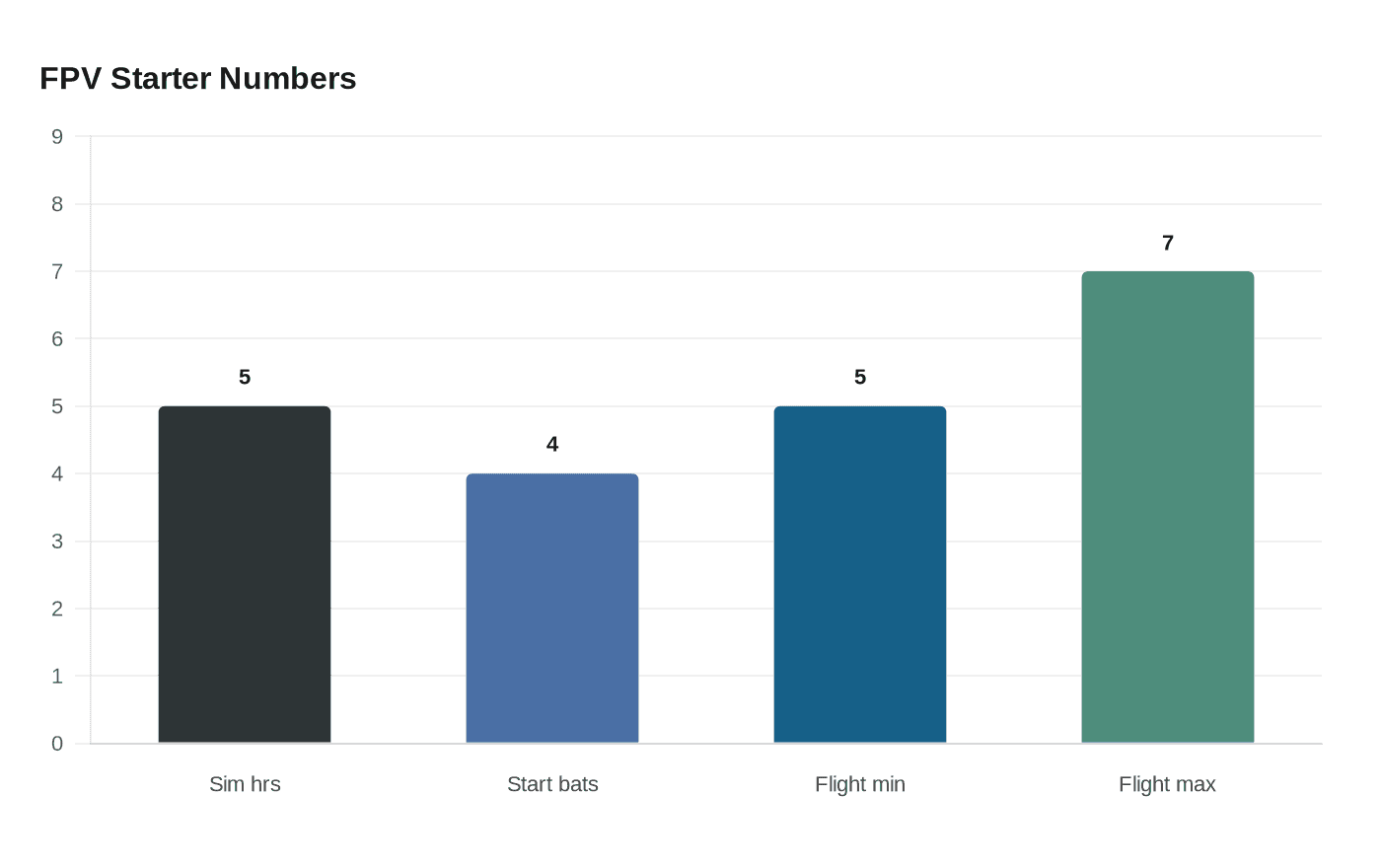
The first and most urgent step is the radio-transmitter and simulator pairing. Select a remote that fits your budget and use it to practice in FPV drone simulators. The same remote can later be used with a real drone, allowing your skills to transfer seamlessly to the real world. Many community voices stress the technical side: radios come in different "languages" or radio protocols, and some radios are multiprotocol. Radios also come in different stick configurations or "modes". Mode 2 is the most popular and we suggest you purchase a mode 2 radio. The simulator recommendation is equally precise: "It’s a good idea to fly at least 5 hours in the simulator before going for the real thing." One enthusiastic endorsement reads, "Our favorite simulator is definitely Liftoff FPV Simulator!"
Hardware recommendations converge on a pragmatic path. Beginners often choose between palm-sized whoops for indoor learning and full 5-inch race quads for competition-ready practice. FPVFC notes that a whoop class drone "is the best way to get started due to their size, ability to survive crashes, and can be flown indoors," while other pilots "prefer to jump right in to the 5" class and build their own." For racers focused on lap times and control authority in gates, the 5-inch platform remains the default.
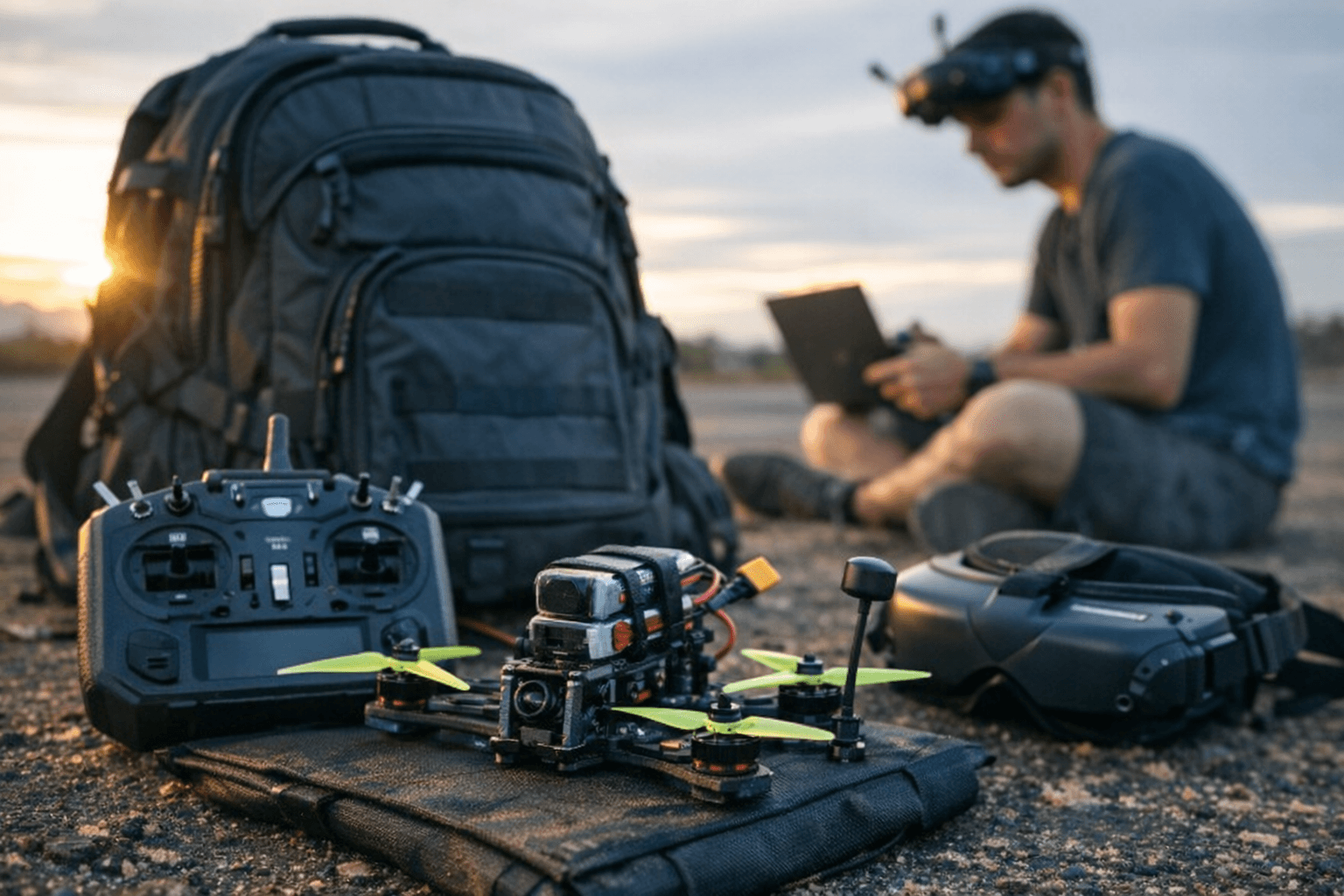
Power and endurance are simple numbers that shape every session. Oscar Liang recommends LiPo batteries like a 4S 1500mAh or a 6S 1100mAh for a 5-inch drone, noting that such packs "would give you 5 to 7 minutes of flight time." He also advises starting with a set of four batteries for practice and expanding as flight time demands increase.
Video gear and logistics round out the kit. To truly fly FPV, you are going to need a screen. Most pilots will opt for a goggle of some sort. If you are just starting out and have decided not to go the DJI FPV route, get some relatively inexpensive box goggles. The Eachine EV800D is singled out: "The eachine EV800D gets good reviews," and experts suggest they make fine passenger goggles once you upgrade. Protecting and organizing that kit matters: "Protect your gear and keep everything organized. Brands like Torvol and Lowepro offer excellent options." Rotor Riot adds that bags are "not essential, but definitely practical!"
Building and repair basics are highlighted but incompletely listed in available notes; Rotor Riot states, "When it comes to building or repairing your drone, you’ll need some basic tools. Here are the essentials:" and community guides recommend learning flight controller, ESC, and VTX fundamentals as part of setup. Safety and local rules are mentioned as necessary reading before field flights, and FPVFC urges pilots to "get out there in a big open field and fly safely!"
For racers and aspiring competitors, the implications are clear: invest early in a good radio, lock in muscle memory with simulator hours, and pick gear that matches your chosen class. That approach lowers crash-repair costs, improves lap consistency, and speeds progression from practice to podium contention. Expect to grow the kit over time, more batteries, better goggles, and a sturdy Torvol or Lowepro pack, as GAS gives way to genuine racecraft and tighter gates.
Know something we missed? Have a correction or additional information?
Submit a Tip