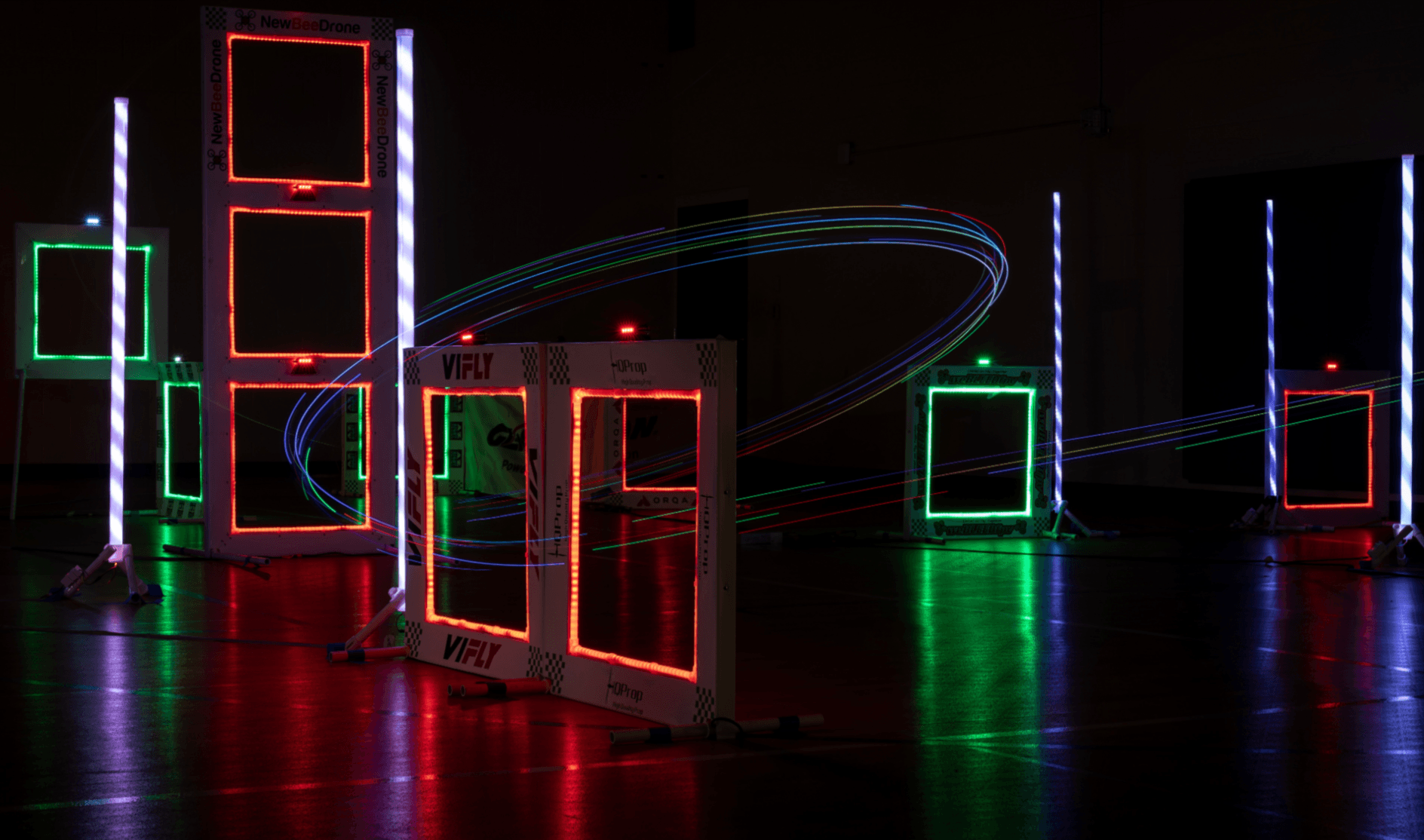
ROC Special Drone Park Logs 330 Sessions Feb 9-11; Lap Data Published
ROC Special Drone Park logged 330 practice sessions Feb 9-11, with per-session fast and average lap data and cumulative practice time published for fan and team analysis.
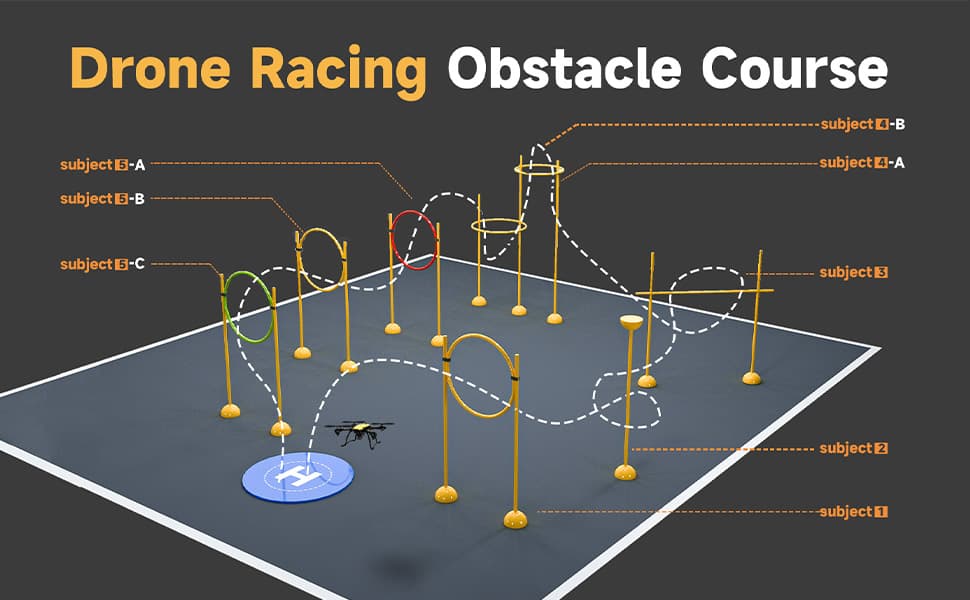
ROC Special Drone Park logged 330 practice sessions across three intense days of tuning and hot-lapping, and the practice dashboard published both per-session fast and average lap times along with cumulative practice time. Activity climbed each day - 62 sessions on Feb 9, 128 sessions on Feb 10, and 140 sessions on Feb 11 - signaling a weekend of focused preparation that matters to pilots, teams, sponsors, and fans tracking form ahead of the season.
The raw session counts tell part of the story; the dashboard's lap-level data gives the rest. Per-session fast laps reveal peak speed potential while average lap metrics show consistency and race-readiness. Cumulative practice time allows teams to quantify workload, track endurance under battery and thermal strains, and compare tuning strategies across multiple runs. For pilots dialing PID and motor maps, those distinctions - peak versus mean lap pace - are the diagnostic tools that separate trial-and-error from deliberate performance engineering.
Practices concentrated on Feb 10-11 indicate a classic taper toward race prep: pilots ran more short, aggressive sessions to refine lines through gates, test battery management, and validate camera and video-link stability under contest conditions. The heavy volume of sessions suggests many pilots focused on repetition for rhythm - entering the same corner dozens of times to lock in throttle timing and line selection - rather than long endurance runs. That pattern benefits pilots chasing qualifying consistency, where average-lap reliability often trumps a single standout hot lap.
The public availability of lap and session data carries wider business implications. Teams and sponsors gain open performance baselines that can influence rider selection, sponsorship valuations, and equipment trials. Streaming platforms and event promoters can leverage the transparency to create deeper narratives around pilot development and technical rivalries, turning practice telemetry into pre-race storylines. For aftermarket vendors - flight controllers, prop manufacturers, and battery makers - the data helps validate product claims and steer R&D toward the conditions pilots are actually encountering.
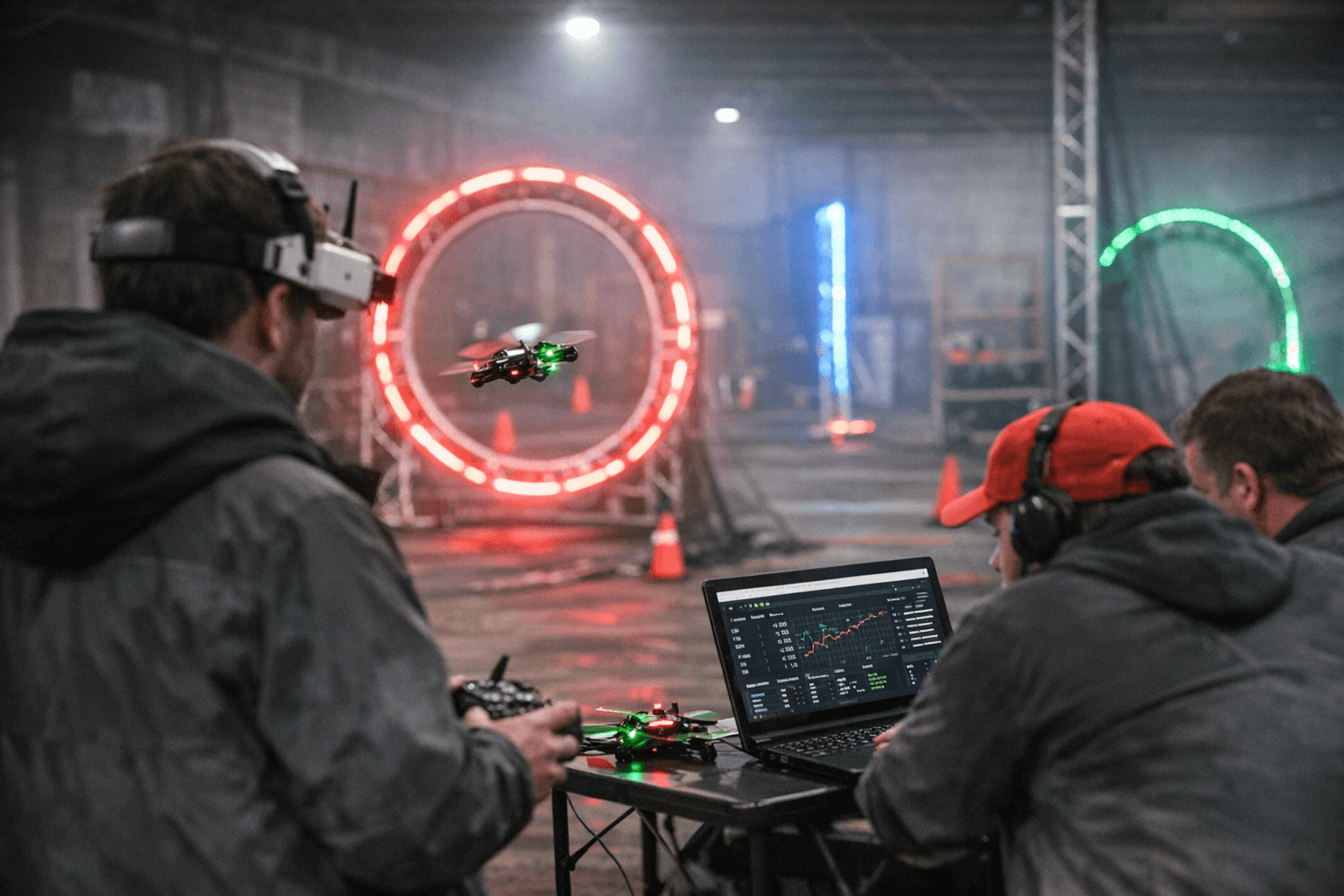
Culturally, the shared dataset reinforces drone racing's identity as a tech-driven, data-forward sport where community knowledge transfer is routine. Pilots swap tune files and discuss line choice using the same metrics fans view on the dashboard, narrowing the gap between insider practice and spectator understanding. Socially, the emphasis on measurable practice time and repeatable lap metrics supports safer, more regulated progress: teams can justify practice volumes and demonstrate competence to local venues and regulators.
What comes next is the analytics. With 330 sessions logged and detailed lap data published, teams and independent analysts can start modeling pilot trajectories, consistency trends, and equipment durability. For fans, the numbers add layers to upcoming races; for pilots, the public record creates accountability and opportunity. Expect those fast and average lap lines to be replayed, compared, and contended with as the season's first events approach.
Know something we missed? Have a correction or additional information?
Submit a Tip