Experts say U.S. quarantine rules exceed need for Ebola, hantavirus risk
Federal Ebola rules now go beyond CDC and WHO guidance built around 21-day monitoring, even as U.S. hantavirus strains are not known to spread person to person.
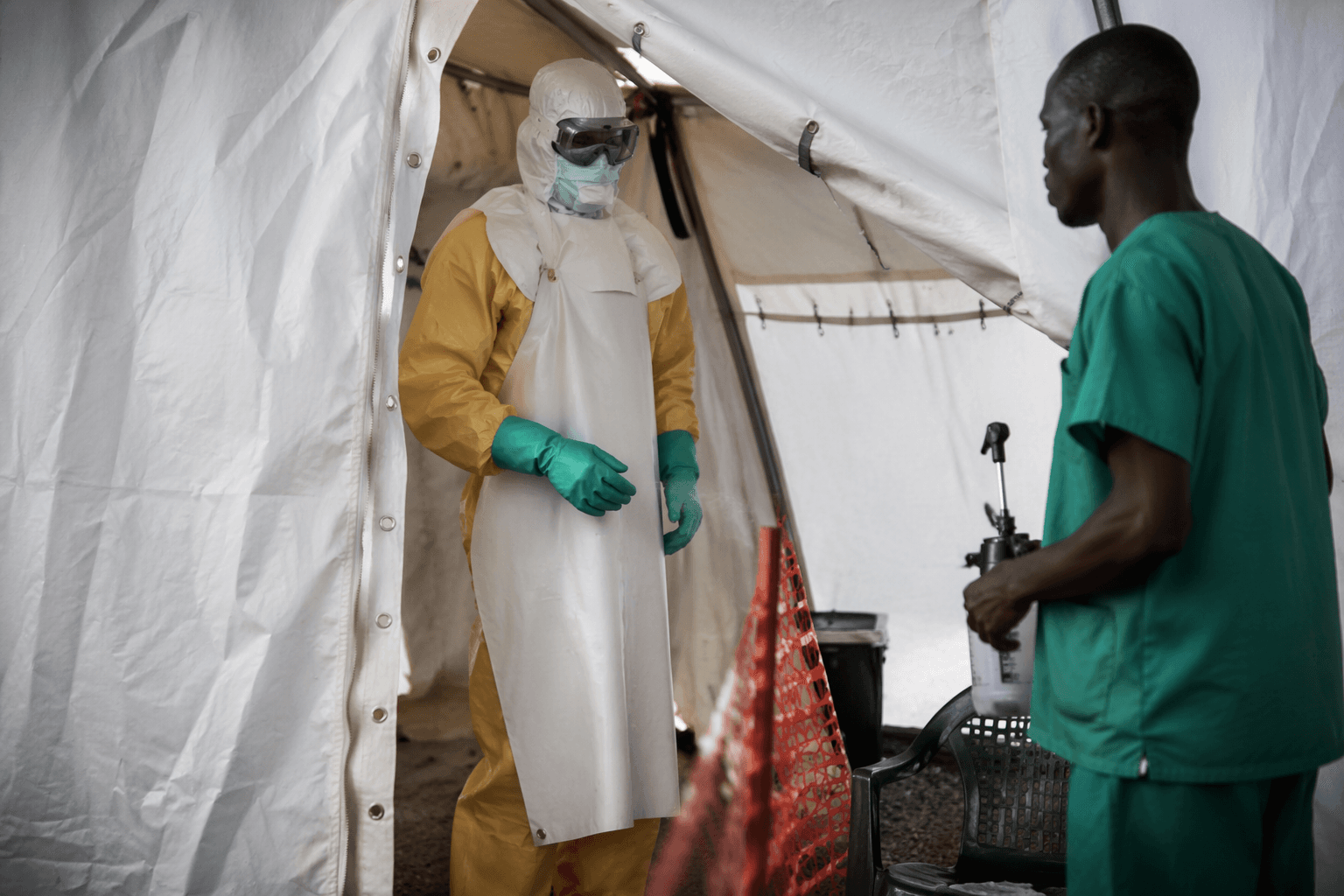
Federal Ebola controls now exceed the standard the CDC and World Health Organization have long used: monitor exposed people for 21 days, but do not treat them as contagious until symptoms begin. Public-health experts say that gap matters because the current threat is centered in remote parts of the Democratic Republic of the Congo and Uganda, where CDC says the risk to the American public remains low and no Ebola cases linked to the outbreak have been reported in the United States.
On May 18, CDC and the Department of Homeland Security imposed enhanced travel screening, entry restrictions and other public-health measures to keep Ebola from entering the country. Those steps followed the DRC Ministry of Health’s May 15 confirmation of an outbreak in Ituri Province, and CDC’s report that as of May 16 there were 246 suspected cases and 80 deaths. The World Health Organization declared the outbreak a public health emergency of international concern on May 17.
That federal response goes further than the guidance CDC and WHO have used before. WHO says Ebola’s incubation period runs from 2 to 21 days and that a person infected with Ebola cannot spread the virus until symptoms develop. CDC’s 2014 guidance relied on daily monitoring during that incubation window, with movement restrictions reserved only for selected higher-risk exposures. In the 2026 outbreak, CDC said the disease is spreading in areas complicated by insecurity, population displacement, mining-related movement and cross-border travel, with at least 9 health zones affected and 2 confirmed cases in Uganda tied to travelers from the DRC.
The same caution applies to hantavirus, but for a different reason. CDC says U.S. hantaviruses are spread mainly by rodents and are not known to spread between people in the United States. Andes virus is the only hantavirus known to spread person to person, and then typically only among close contacts. That leaves little public-health justification for broad quarantine rules aimed at stopping domestic spread.

The real-world cost of overreach is trust. During the 2014-2016 West African Ebola epidemic, CDC monitored roughly 29,000 people exposed to Ebola, and more than 99% completed the full 21-day monitoring period. CDC says Ebola was first identified in 1976, and that earlier response showed how targeted surveillance can work when the public believes the rules match the science. When restrictions outpace the evidence, compliance can weaken, legal authority gets harder to defend and the next outbreak becomes harder to manage.
This article was produced by Prism’s automated news system from verified source data, official records, and press releases, then run through automated quality and moderation checks before publishing. The system is built and supervised by the people who set the standards it runs under. Read our full AI policy.
Did this article answer your question?