Experts warn measles, dengue could spread during World Cup
The World Cup’s biggest health threats are not headline viruses but measles and dengue, with 104 matches funneling millions through 16 host cities.
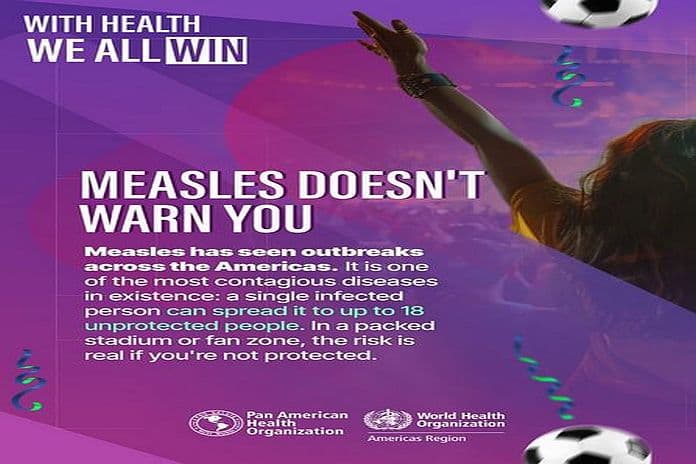
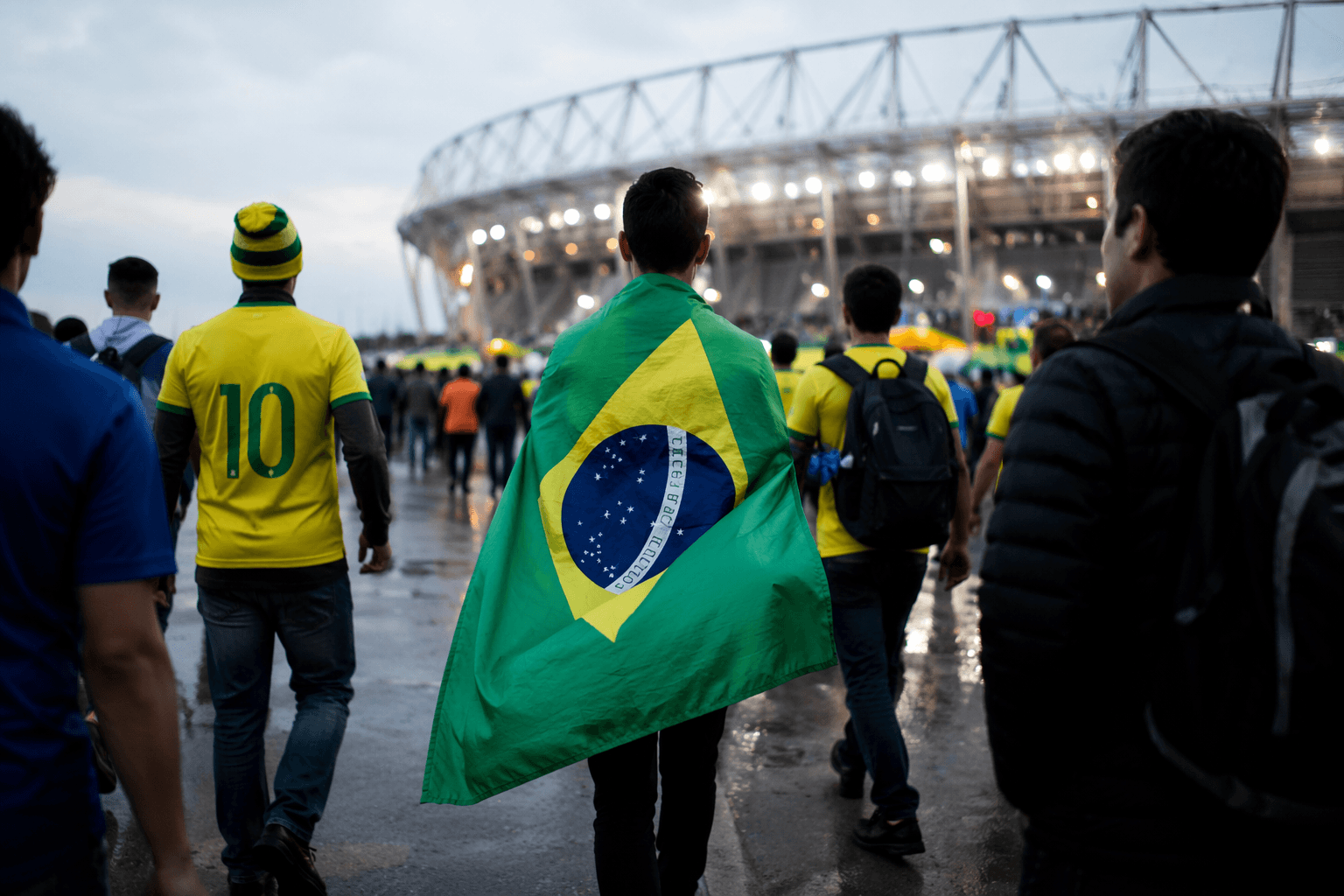
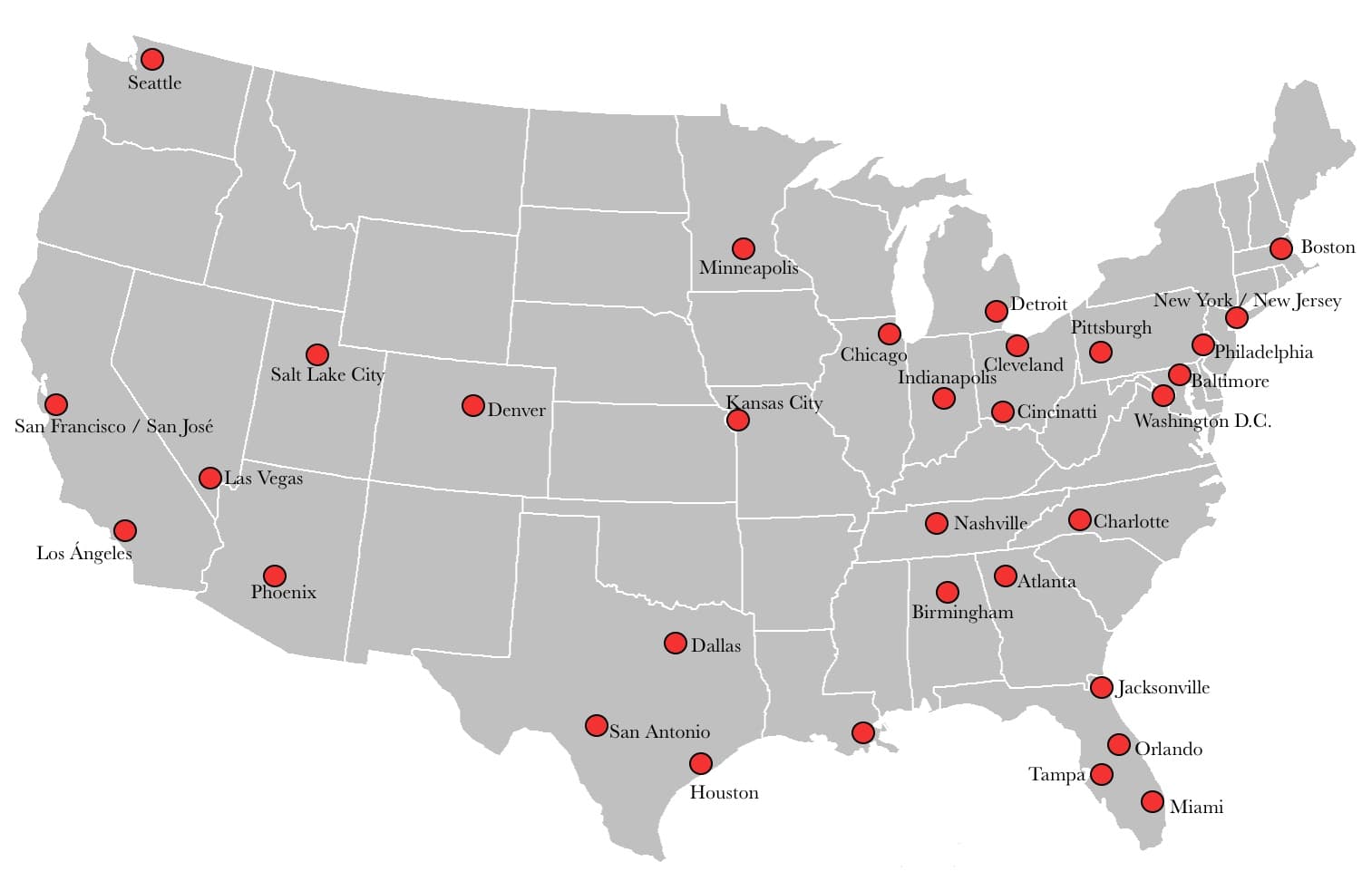
As millions of fans move through airports, stadiums, hotels and transit systems for the 2026 FIFA World Cup, public health officials are focusing less on the infections that dominate headlines and more on the ones that spread quietly in crowded travel corridors. Measles, dengue, covid-19 and sexually transmitted infections are among the main concerns as the tournament unfolds across 16 host cities in the United States, Canada and Mexico.
The scale is what worries experts. The tournament will feature 48 teams and 104 matches, with the finals scheduled for New York and New Jersey on July 19. The CDC’s Yellow Book says mass gatherings create both communicable-disease and noncommunicable risks, including temperature extremes, stampedes, environmental hazards and security challenges. In practice, that means the health threat is not just a single virus but the mix of packed venues, prolonged travel, shared indoor air, food handling, and the exhaustion that can weaken basic precautions.
Measles is a particular concern because it spreads through the air after an infected person coughs or sneezes, and one case can expose hundreds of people in a stadium concourse, airport gate or hotel lobby. Dengue poses a different problem: it is carried by mosquitoes, so the risk rises where infected travelers and mosquito populations overlap in warm-weather host cities. Health departments in Seattle, Dallas County, Texas, Atlanta and Los Angeles have spent months preparing for visitor surges and potential outbreaks, while also watching heat illness and foodborne disease.
The tournament is also taking place against a broader global health backdrop. The World Health Organization confirmed an Ebola outbreak in the Democratic Republic of the Congo and Uganda in May 2026, and on May 17 declared it a public health emergency of international concern. The outbreak involves Bundibugyo virus, for which WHO says there is no vaccine or specific treatment. On May 18, CDC and DHS announced enhanced travel screening and entry restrictions for affected travelers from the DRC, South Sudan and Uganda, while the CDC said the risk to the U.S. public remains low.
Georgetown University has created a Health Security Operations Center to track disease trends and send daily reports to jurisdictions expecting a traveler influx. That kind of coordination matters because the World Cup is not just a sports event; it is a stress test for public health systems that must spot infections early, communicate fast and keep ordinary outbreaks from turning into tournament-wide disruptions.
This article was produced by Prism’s automated news system from verified source data, official records, and press releases, then run through automated quality and moderation checks before publishing. The system is built and supervised by the people who set the standards it runs under. Read our full AI policy.
Know something we missed? Have a correction or additional information?
Submit a Tip