Experts warn Middle East war fallout will hit global economy for months
Hormuz carried 20 million barrels a day, but oil could rebound faster than the slower costs of war: insurance, contracts and trust.
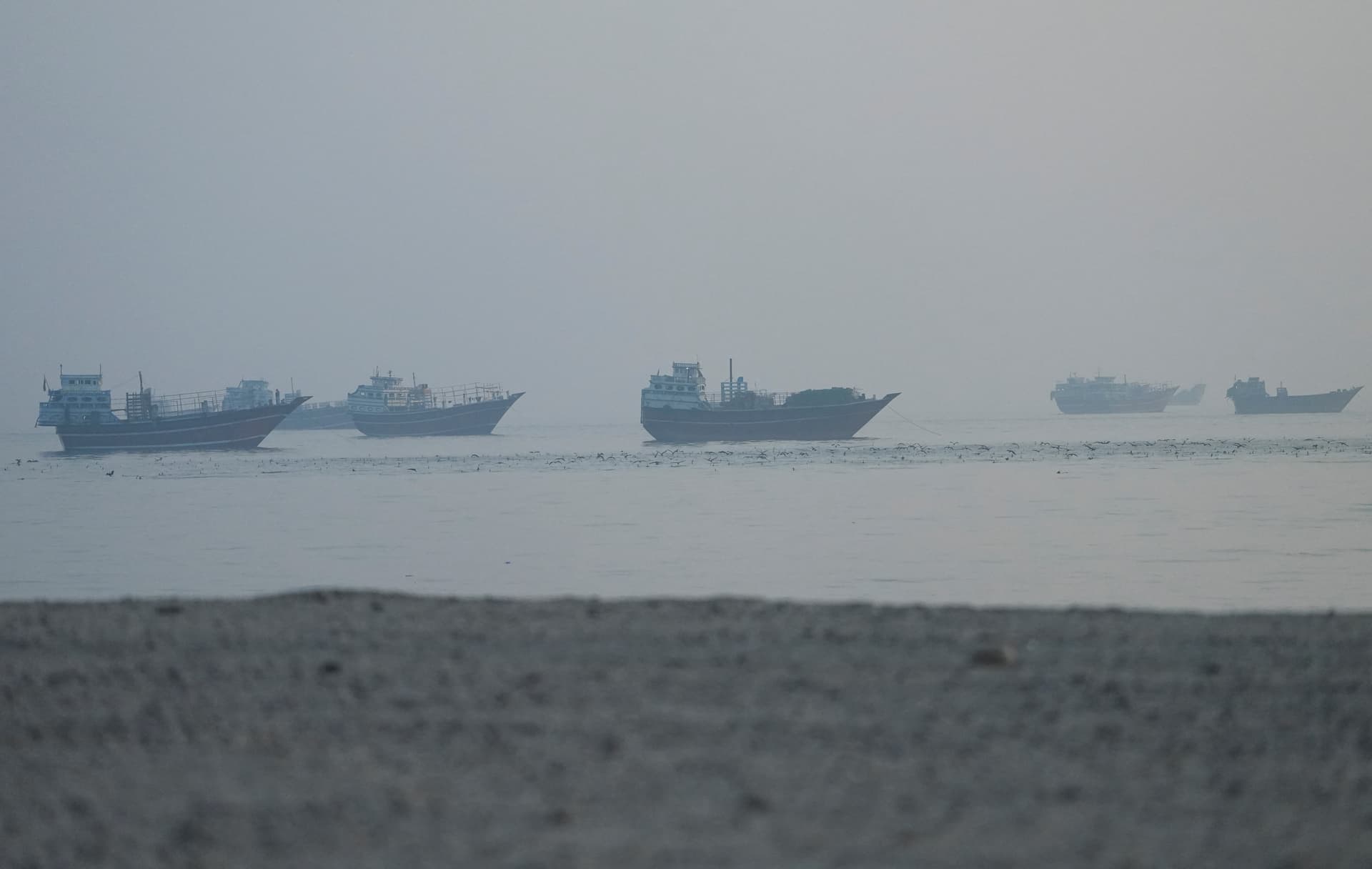
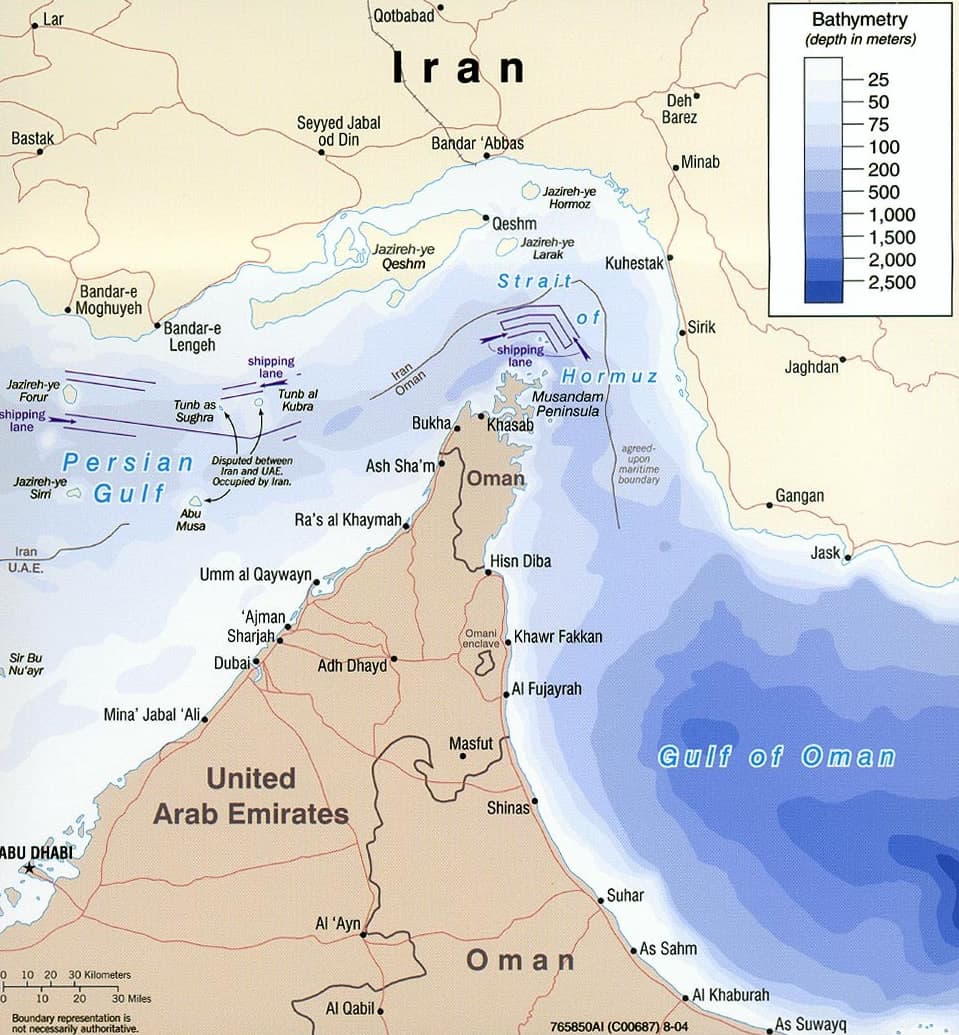
Oil prices fell and risk assets jumped when U.S. and Iranian officials said they had reached a preliminary agreement to end the war and reopen the Strait of Hormuz, but the bigger economic shock will not clear that quickly. The strait moves about 20 million barrels a day of crude and petroleum products, roughly one-fifth of global petroleum liquids consumption and about 27% of maritime oil trade, so even a partial return to normal still leaves months of adjustment ahead.
The political timetable is still loose. Pakistan’s prime minister, Shehbaz Sharif, said a formal signing ceremony is expected on June 19 in Switzerland, but the pact remains a framework and Iran’s nuclear program has not been settled. Sanctions relief is part of the broader talks, yet it has not been finalized, and officials say the next 60 days of negotiations will help determine how quickly the region and energy markets stabilize.
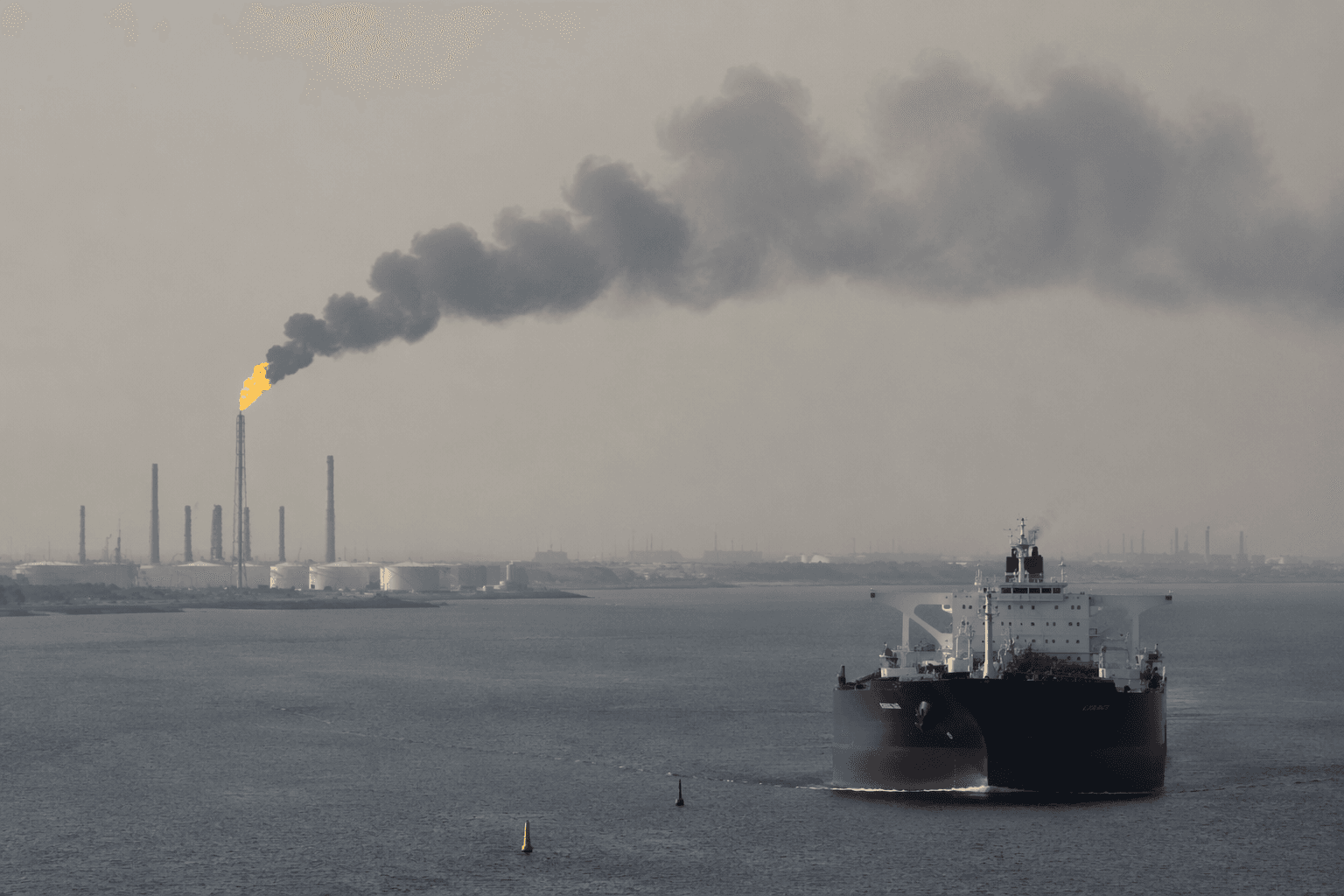
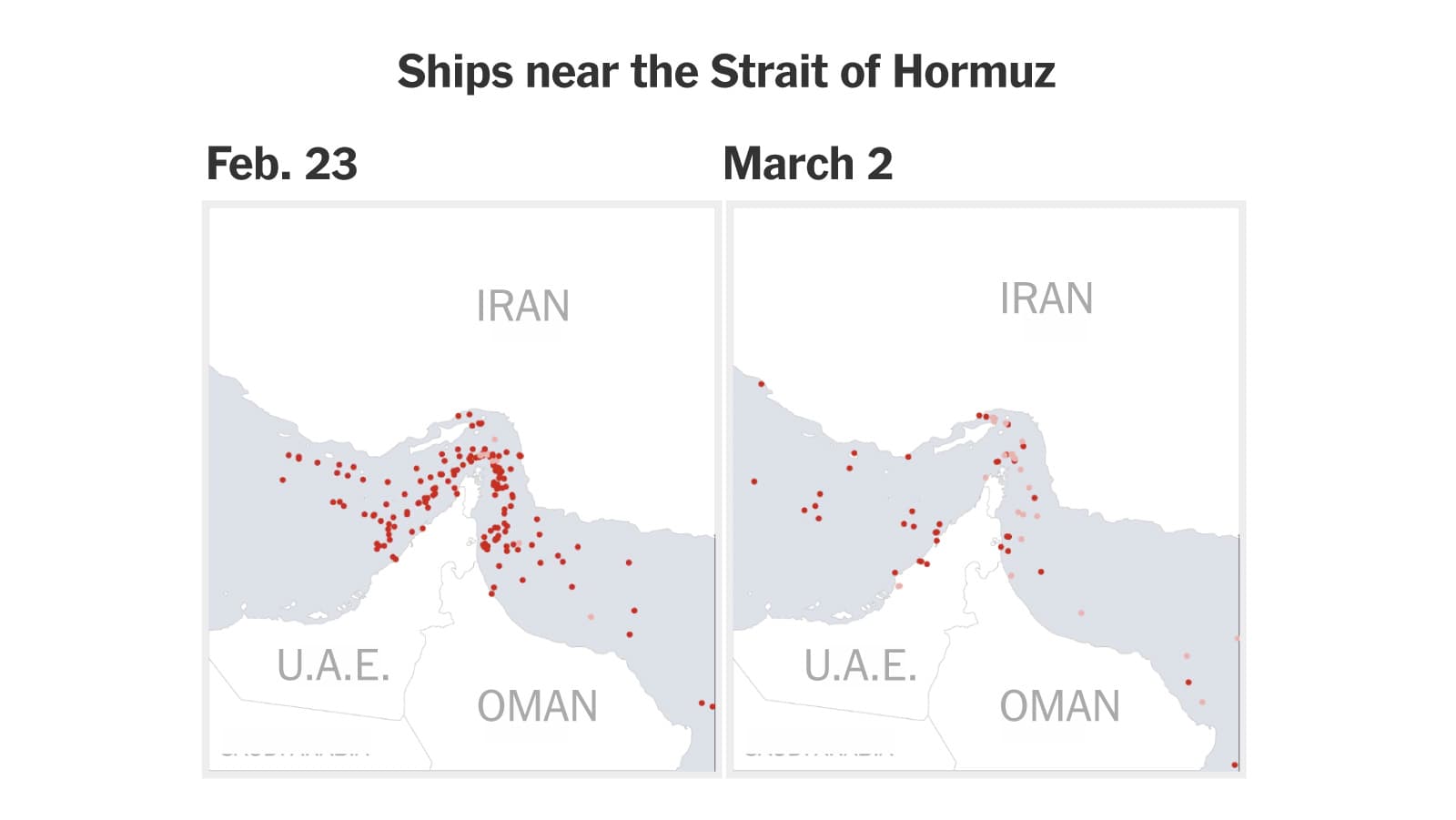
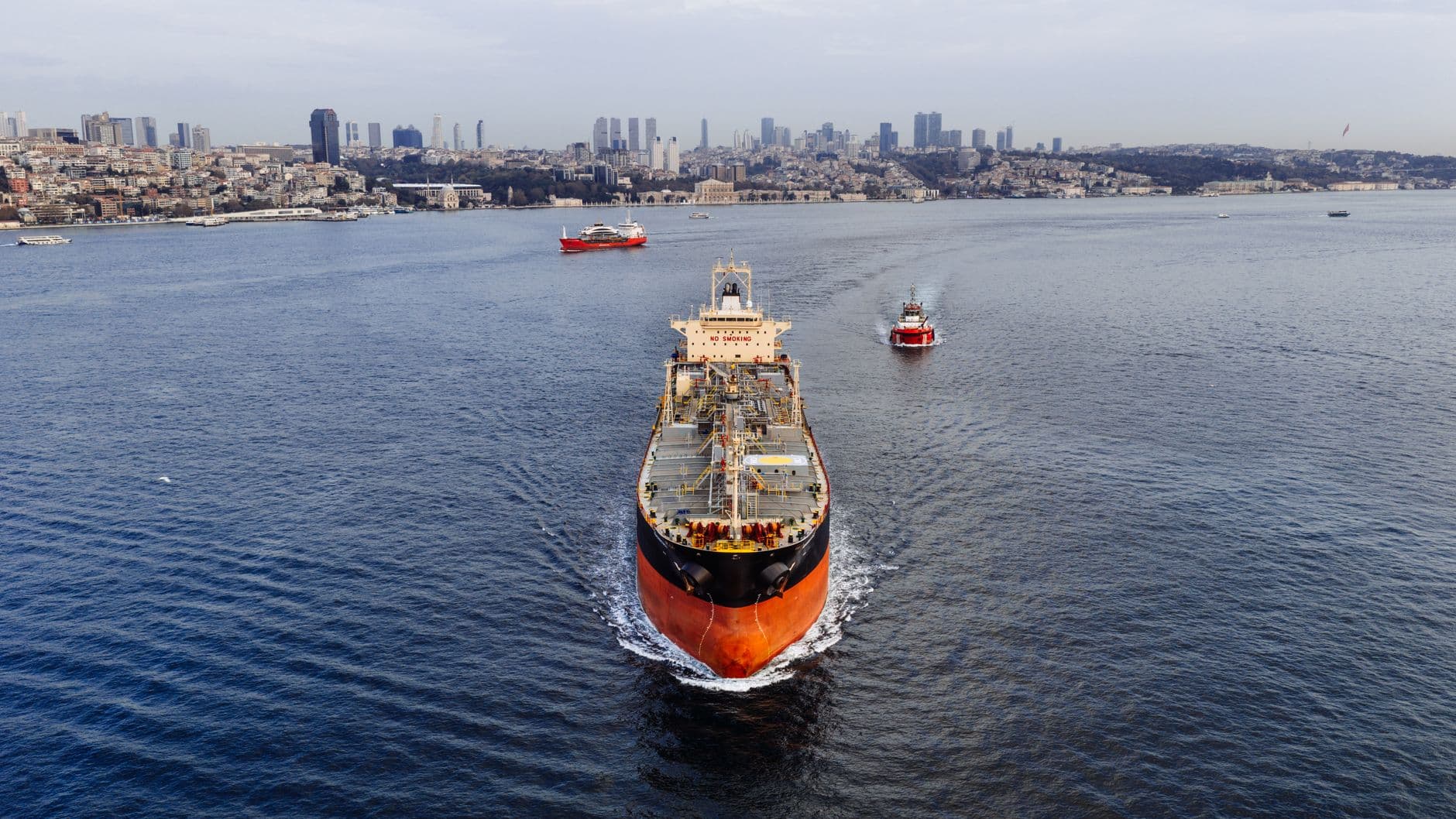
Markets moved immediately. Brent crude fell about 5% to $83 a barrel after the announcement, while U.S. crude slipped below $80. The dollar weakened and Asian shares rose as traders priced in lower energy costs, but that reaction may prove the easiest part of the recovery. Shipping lanes can reopen faster than the deeper costs of disruption, and traders can reprice risk in hours, yet insurers, refiners and freight companies will need longer to rebuild confidence and reset contracts.
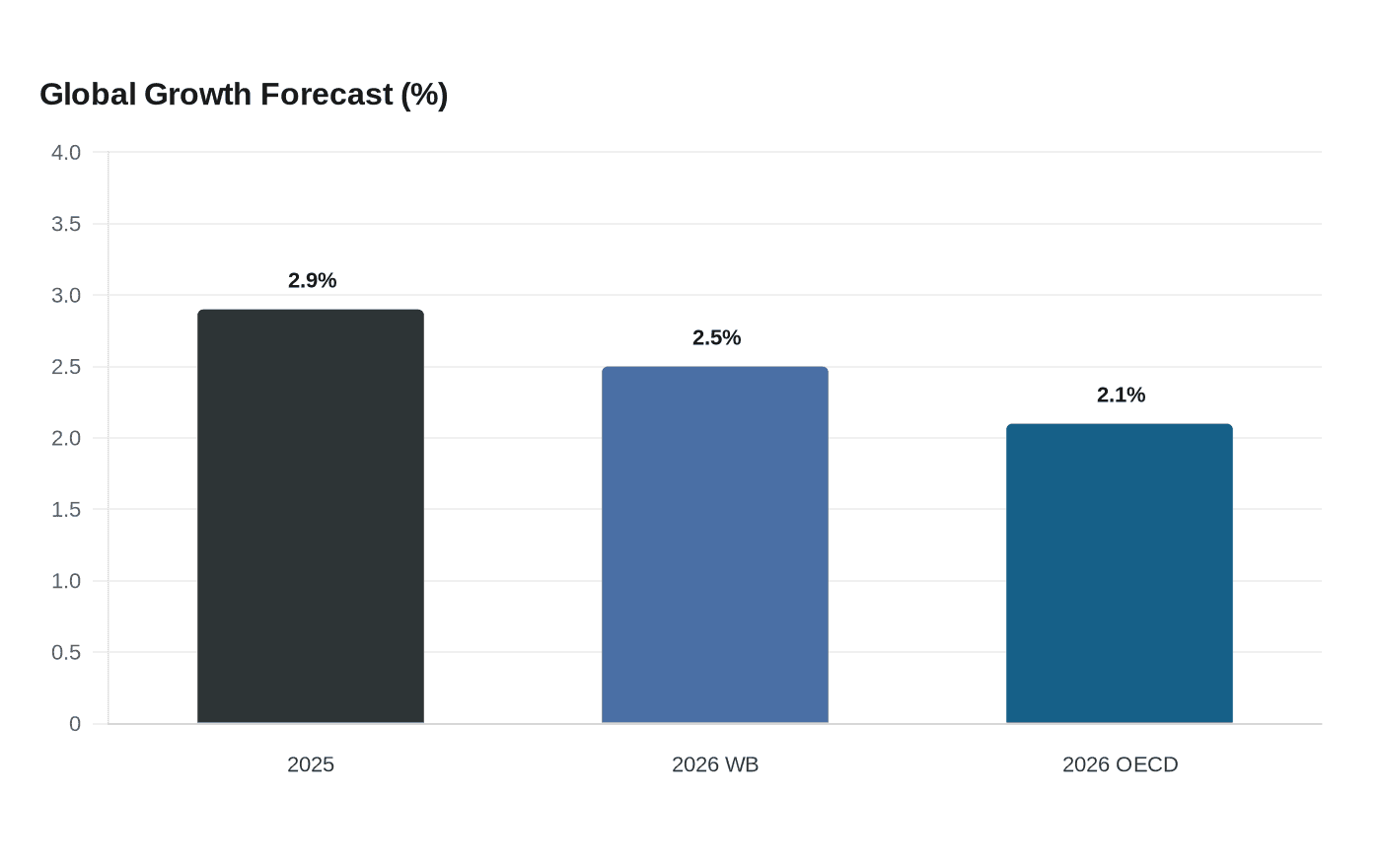
The macro backdrop is already weaker. The World Bank said the Middle East conflict is expected to slow global growth to 2.5% in 2026, down from 2.9% in 2025, the weakest pace since the COVID-19 pandemic. The institution linked that outlook to higher energy prices, steeper inflation and increased borrowing costs. The OECD has warned that if disruption stretches well into next year, global growth could fall further, with one outlook putting 2026 growth as low as 2.1%.
That is the reality check after war: reopening Hormuz can restore a crucial artery of trade relatively quickly, but it cannot erase the damage on the same schedule. Supply contracts signed under crisis pricing, insurance premiums set by weeks of missile and shipping risk, and regional trust battered by months of conflict will lag far behind the first dip in crude. The route may normalize first; the economy will follow only gradually.
This article was produced by Prism’s automated news system from verified source data, official records, and press releases, then run through automated quality and moderation checks before publishing. The system is built and supervised by the people who set the standards it runs under. Read our full AI policy.
Know something we missed? Have a correction or additional information?
Submit a Tip