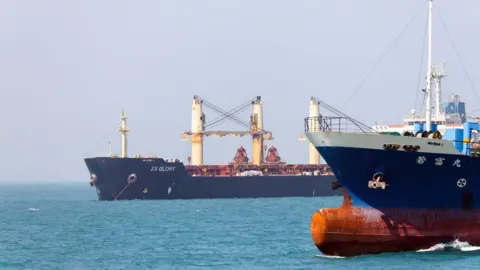
Oil prices fall as Iran, U.S. strike preliminary Strait deal
Oil dropped more than $4 as a U.S.-Iran pact raised hopes for cheaper gasoline, softer inflation and calmer markets. But Tehran’s nuclear program and sanctions relief still hang over the deal.

Oil prices tumbled and stock markets rallied after Iran and the United States reached a preliminary deal that could reopen the Strait of Hormuz, a move that would quickly ripple into gasoline prices, inflation expectations and retirement accounts tied to equities. The immediate market response suggested relief rather than certainty: traders bet that a lower-risk energy route could cool oil costs, but the broader question was whether the agreement marks lasting stability or just a sharp repricing of danger.
The deal was described by U.S. and Iranian officials as a first step toward ending the war and restoring shipping through the Strait, one of the world’s most important energy chokepoints. The fate of Tehran’s nuclear program was left for later talks, along with the pace of reopening the waterway and the scope of sanctions relief, leaving several of the most sensitive issues unresolved.
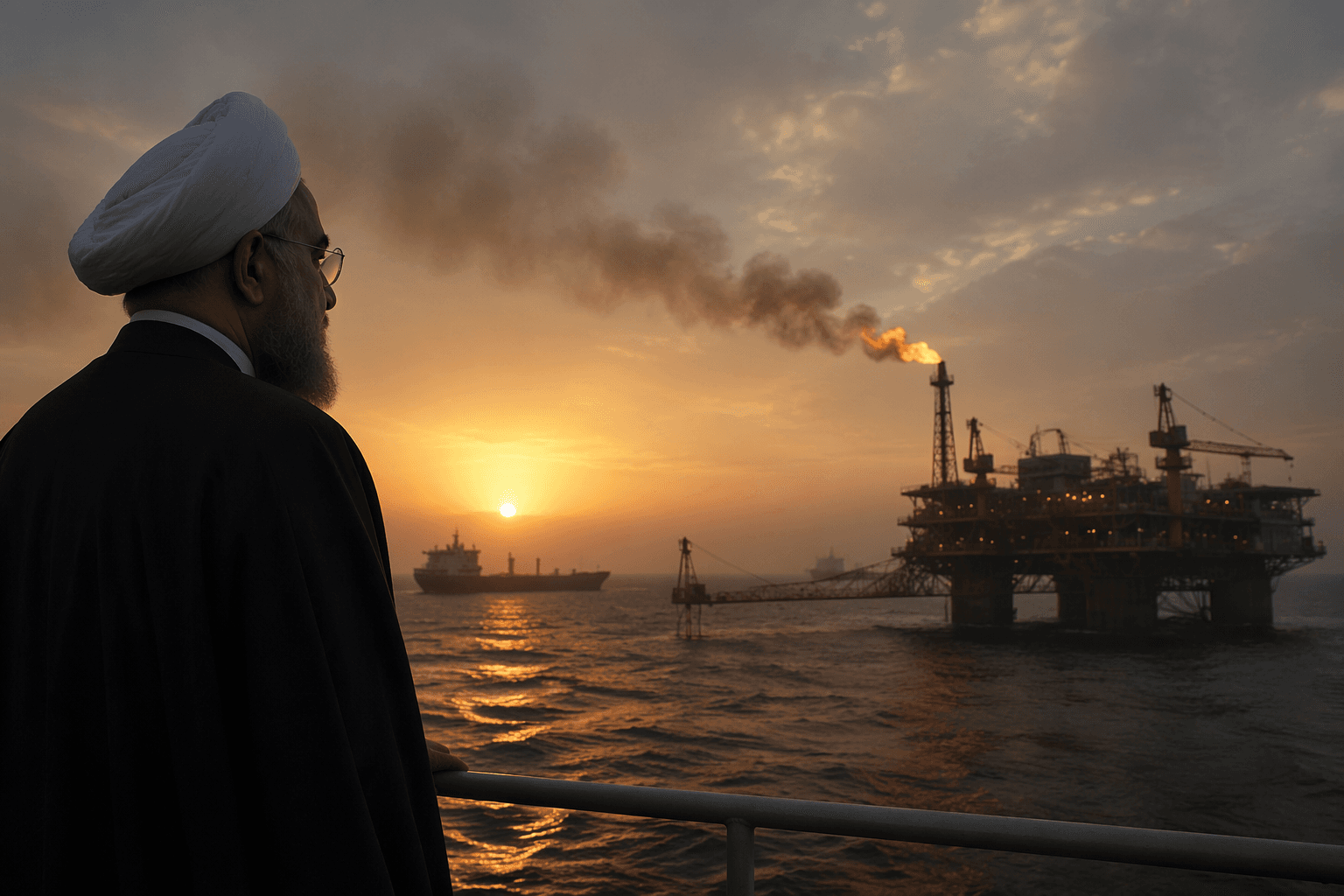
The Strait of Hormuz typically carried about one-fifth of the world’s oil and gasoline supplies before the conflict, and roughly 20 million barrels a day of oil moved through it. That scale is why the market reaction was so immediate. Oil fell more than $4 a barrel, Asian shares surged, and futures tied to Wall Street’s main indexes jumped more than 1% each as investors moved back into risk assets.

The clearest pocketbook effect would come if the decline in crude prices holds. Lower oil usually feeds into cheaper gasoline and can ease headline inflation, which in turn shapes expectations for Federal Reserve policy and household budgets. It also tends to help airline balance sheets by lowering jet fuel costs, while the stock market rebound can lift retirement accounts in the short term. The U.S. Energy Information Administration has said a drop in global oil demand could limit the price spike from any Hormuz disruption, but the reverse is also true: sustained calm in the strait could remove a major source of inflation pressure.
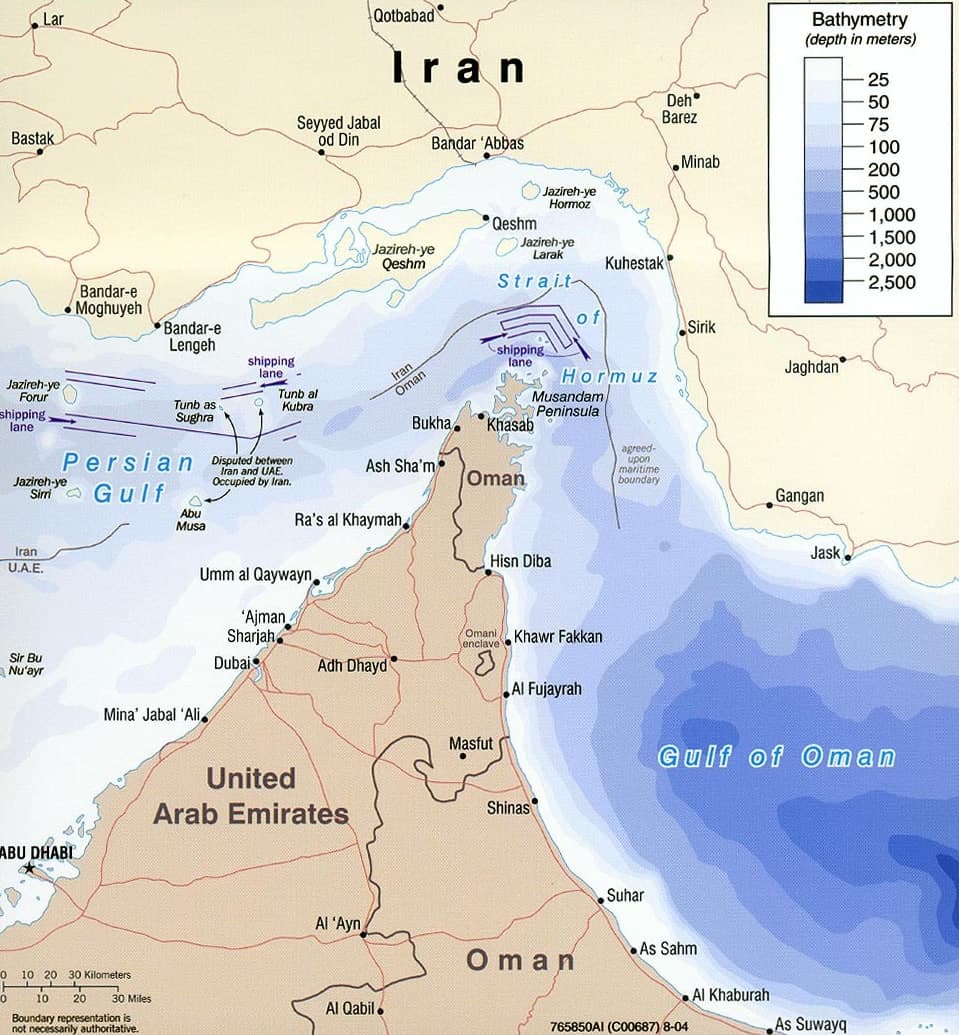
Even so, markets were not treating the breakthrough as a done deal. Reporting indicated the agreement could be formally signed in Switzerland on June 19, but investors were still weighing whether the first move toward peace would translate into durable stability for energy flows from the Persian Gulf. For now, the biggest change overnight was not just cheaper crude, but a sudden drop in the geopolitical premium built into global energy prices.
This article was produced by Prism’s automated news system from verified source data, official records, and press releases, then run through automated quality and moderation checks before publishing. The system is built and supervised by the people who set the standards it runs under. Read our full AI policy.
Know something we missed? Have a correction or additional information?
Submit a Tip